Buy powerofwords.eu ?
We are moving the project
powerofwords.eu .
Are you interested in purchasing the domain
powerofwords.eu ?
domain@kv-gmbh.de · 0541-91531010
Buy powerofwords.eu ?
What are the impact velocity and impact angle?
The impact velocity is the speed at which an object hits another object or surface. It is measured in units of distance per time, such as meters per second. The impact angle is the angle at which the object strikes the surface or another object. It is measured in degrees and can affect the outcome of the impact, such as the direction of the rebound or the amount of damage caused. Both the impact velocity and impact angle are important factors in determining the result of a collision or impact event. **
What is the impact velocity in physics?
In physics, impact velocity refers to the velocity at which two objects collide with each other. It is the speed at which one object strikes another during a collision. Impact velocity is an important factor in determining the outcome of a collision, such as whether the collision will be elastic or inelastic. It is calculated by taking into account the initial velocities of the objects before the collision and the masses of the objects involved. **
Similar search terms for Vornado-Velocity-5-Whole
Top-Angebote
Products related to Vornado-Velocity-5-Whole:
-
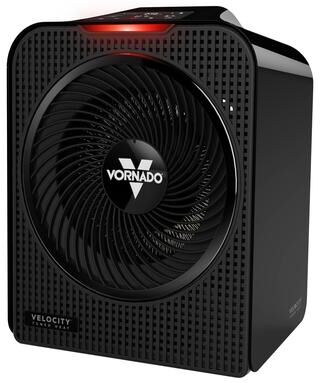
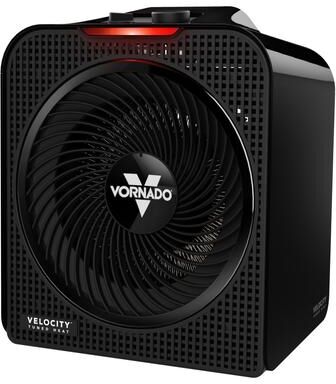
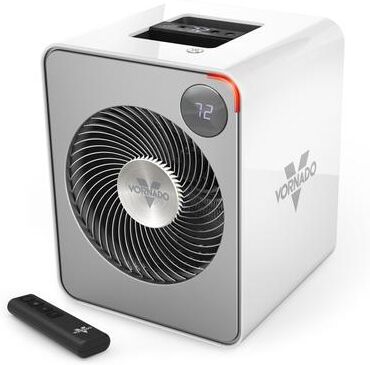
Vornado Velocity CUBE 5S Whole Room Space HeaterElegant lines meet contoured shapes to sculpt the look of the Velocity CUBE 5S, the latest member of the Velocity Tuned Heat series that creates hotter, faster and farther moving heat than ever before.105,49 $*Shipping: 0,00 $Secure redirect to the provider
-
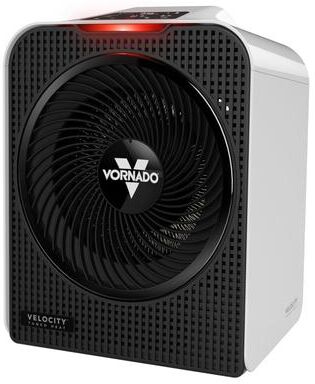
Vornado Velocity 5R Whole Room Space Heater with Remote, Digital DisplayINCREASED PERFORMANCE – The Velocity 5R heater features Velocity Tuned Heat technology, delivering hotter heat with superior efficiency. Its advanced aerodynamics push air further and faster, increasing warmth throughout your space.124,99 $*Shipping: 0,00 $Secure redirect to the provider
-
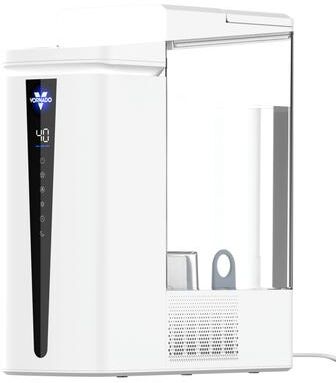
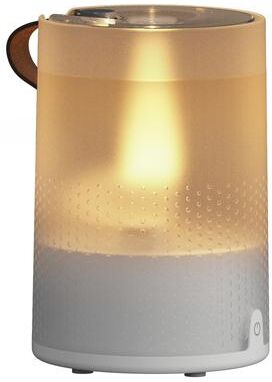
Vornado MISTIC 8 Whole Room Ultrasonic Humidifier, Top-FillAROMATHERAPY — Refresh your space and your senses with the included scent pads—just add your favorite essential oils for a soothing aromatherapy experience that complements whole room comfort.99,99 $*Shipping: 0,00 $Secure redirect to the provider


-
How can one calculate the impact velocity?
To calculate the impact velocity, one can use the equation for conservation of energy. This involves equating the initial potential energy of the object to its final kinetic energy just before impact. By rearranging the equation and solving for the velocity term, one can determine the impact velocity of the object. Additionally, factors such as the height from which the object falls, the acceleration due to gravity, and any other forces acting on the object can also be taken into account in the calculation. **
-
What is the formula for impact velocity?
The formula for impact velocity is given by the equation: \[ v = \sqrt{2gh} \] where: - \( v \) is the impact velocity, - \( g \) is the acceleration due to gravity (approximately 9.81 m/s² on Earth), and - \( h \) is the height from which the object falls. **
-
What are the effects of impact velocity and impact angle?
The impact velocity and impact angle both play a significant role in determining the outcome of a collision. A higher impact velocity generally results in more damage and deformation to the objects involved in the collision. The impact angle also affects the distribution of forces during the collision, impacting the direction and magnitude of the resulting forces. Together, these factors can determine the severity of damage, the likelihood of rebound or deflection, and the overall energy transfer during the collision. **
-
How are linear velocity, angular velocity, and frequency related?
Linear velocity, angular velocity, and frequency are all related through the equation v = ωr, where v is linear velocity, ω is angular velocity, and r is the radius of the rotating object. Angular velocity is the rate at which an object rotates around a fixed point, while linear velocity is the rate at which an object moves in a straight line. Frequency is the number of complete rotations or cycles per unit of time and is related to angular velocity by the equation f = ω/2π. Overall, these three quantities are interconnected and can be used to describe the motion of rotating objects. **
What is the difference between instantaneous velocity and average velocity?
Instantaneous velocity refers to the velocity of an object at a specific moment in time, while average velocity is the total displacement of an object over a given time interval divided by the total time taken. Instantaneous velocity gives us information about the object's velocity at a particular instant, while average velocity provides an overall picture of the object's velocity over a period of time. In essence, instantaneous velocity is like looking at a snapshot of an object's motion, while average velocity is like looking at the entire video. **
How many calories are in 5 tablespoons of whole grain oatmeal?
Five tablespoons of whole grain oatmeal contain approximately 150 calories. Oatmeal is a nutritious and filling food that is high in fiber and other essential nutrients. It can be a great addition to a balanced diet and can help keep you feeling full and satisfied. **
Top-Angebote
Products related to Vornado-Velocity-5-Whole:
-
Vornado Velocity 5 Whole Room Space Heater with Auto Climate ControlINCREASED PERFORMANCE – The Velocity 5 heater features Velocity Tuned Heat technology, delivering hotter heat with superior efficiency. Its advanced aerodynamics push air further and faster, increasing warmth throughout your space.114,99 $*Shipping: 0,00 $Secure redirect to the provider
-
Vornado Velocity CUBE 5S Whole Room Space HeaterElegant lines meet contoured shapes to sculpt the look of the Velocity CUBE 5S, the latest member of the Velocity Tuned Heat series that creates hotter, faster and farther moving heat than ever before.105,49 $*Shipping: 0,00 $Secure redirect to the provider
-
What are the impact velocity and impact angle?
The impact velocity is the speed at which an object hits another object or surface. It is measured in units of distance per time, such as meters per second. The impact angle is the angle at which the object strikes the surface or another object. It is measured in degrees and can affect the outcome of the impact, such as the direction of the rebound or the amount of damage caused. Both the impact velocity and impact angle are important factors in determining the result of a collision or impact event. **
-
What is the impact velocity in physics?
In physics, impact velocity refers to the velocity at which two objects collide with each other. It is the speed at which one object strikes another during a collision. Impact velocity is an important factor in determining the outcome of a collision, such as whether the collision will be elastic or inelastic. It is calculated by taking into account the initial velocities of the objects before the collision and the masses of the objects involved. **
-
How can one calculate the impact velocity?
To calculate the impact velocity, one can use the equation for conservation of energy. This involves equating the initial potential energy of the object to its final kinetic energy just before impact. By rearranging the equation and solving for the velocity term, one can determine the impact velocity of the object. Additionally, factors such as the height from which the object falls, the acceleration due to gravity, and any other forces acting on the object can also be taken into account in the calculation. **
-
What is the formula for impact velocity?
The formula for impact velocity is given by the equation: \[ v = \sqrt{2gh} \] where: - \( v \) is the impact velocity, - \( g \) is the acceleration due to gravity (approximately 9.81 m/s² on Earth), and - \( h \) is the height from which the object falls. **
Similar search terms for Vornado-Velocity-5-Whole
-
Vornado Velocity 5R Whole Room Space Heater with Remote, Digital DisplayINCREASED PERFORMANCE – The Velocity 5R heater features Velocity Tuned Heat technology, delivering hotter heat with superior efficiency. Its advanced aerodynamics push air further and faster, increasing warmth throughout your space.124,99 $*Shipping: 0,00 $Secure redirect to the provider
-
Vornado MISTIC 8 Whole Room Ultrasonic Humidifier, Top-FillAROMATHERAPY — Refresh your space and your senses with the included scent pads—just add your favorite essential oils for a soothing aromatherapy experience that complements whole room comfort.99,99 $*Shipping: 0,00 $Secure redirect to the provider
-
Vornado VMHi500 Whole Room Metal Space Heater, Remote ControlHEAT DIFFERENTLY — Transform your space with the VMHI500's innovative Vortex Heat Circulation. This compact yet powerful space heater gently warms the entire room, mimicking the efficiency of a full-sized furnace but on a smaller scale.139,99 $*Shipping: 0,00 $Secure redirect to the provider
-
What are the effects of impact velocity and impact angle?
The impact velocity and impact angle both play a significant role in determining the outcome of a collision. A higher impact velocity generally results in more damage and deformation to the objects involved in the collision. The impact angle also affects the distribution of forces during the collision, impacting the direction and magnitude of the resulting forces. Together, these factors can determine the severity of damage, the likelihood of rebound or deflection, and the overall energy transfer during the collision. **
-
How are linear velocity, angular velocity, and frequency related?
Linear velocity, angular velocity, and frequency are all related through the equation v = ωr, where v is linear velocity, ω is angular velocity, and r is the radius of the rotating object. Angular velocity is the rate at which an object rotates around a fixed point, while linear velocity is the rate at which an object moves in a straight line. Frequency is the number of complete rotations or cycles per unit of time and is related to angular velocity by the equation f = ω/2π. Overall, these three quantities are interconnected and can be used to describe the motion of rotating objects. **
-
What is the difference between instantaneous velocity and average velocity?
Instantaneous velocity refers to the velocity of an object at a specific moment in time, while average velocity is the total displacement of an object over a given time interval divided by the total time taken. Instantaneous velocity gives us information about the object's velocity at a particular instant, while average velocity provides an overall picture of the object's velocity over a period of time. In essence, instantaneous velocity is like looking at a snapshot of an object's motion, while average velocity is like looking at the entire video. **
-
How many calories are in 5 tablespoons of whole grain oatmeal?
Five tablespoons of whole grain oatmeal contain approximately 150 calories. Oatmeal is a nutritious and filling food that is high in fiber and other essential nutrients. It can be a great addition to a balanced diet and can help keep you feeling full and satisfied. **
* All prices are inclusive of VAT and, if applicable, plus shipping costs. The offer information is based on the details provided by the respective shop and is updated through automated processes. Real-time updates do not occur, so deviations can occur in individual cases. ** Note: Parts of this content were created by AI.