Buy powerofwords.eu ?
We are moving the project
powerofwords.eu .
Are you interested in purchasing the domain
powerofwords.eu ?
domain@kv-gmbh.de · 0541-91531010
Buy powerofwords.eu ?
Which option is better: textured wallpaper or textured paint?
The choice between textured wallpaper and textured paint ultimately depends on personal preference and the specific needs of the space. Textured wallpaper can add depth and dimension to a room, but it may be more difficult to install and remove compared to textured paint. Textured paint, on the other hand, is easier to apply and can be customized to achieve different textures and effects. Consider factors such as maintenance, cost, and desired aesthetic when deciding between the two options. **
Which option do you prefer, textured plaster or textured wallpaper?
I prefer textured plaster over textured wallpaper. Textured plaster provides a more authentic and natural look, as it is applied directly to the wall and can be customized to suit the specific design aesthetic. Additionally, textured plaster is more durable and long-lasting compared to textured wallpaper, which can peel or tear over time. Overall, I find textured plaster to be a more versatile and visually appealing option for adding texture to a space. **

Similar search terms for Textured
Top-Angebote
Products related to Textured:



-
How can you apply textured plaster on a textured wallpaper?
To apply textured plaster on a textured wallpaper, you will first need to prepare the wallpaper by cleaning it thoroughly and allowing it to dry completely. Then, apply a primer to the wallpaper to create a smooth surface for the textured plaster to adhere to. Once the primer is dry, you can apply the textured plaster using a trowel or a putty knife, working in small sections to ensure even coverage. After the plaster has been applied, you can use a textured roller or a brush to create the desired texture. Allow the plaster to dry completely before applying any paint or sealant. **
-
What is textured paint 2?
Textured paint 2 is a type of paint that contains additives such as sand, silica, or other materials to create a textured finish on surfaces. This type of paint is often used to add depth and dimension to walls, ceilings, or furniture, and can help hide imperfections in the surface. Textured paint 2 can come in a variety of finishes, from subtle to more pronounced textures, allowing for a customized look in interior design. **
-
How do you remove textured plaster?
To remove textured plaster, you can start by using a putty knife or scraper to gently chip away at the texture. You can also try using a heat gun to soften the plaster, making it easier to scrape off. Another method is to use a chemical paint stripper to dissolve the plaster. It's important to wear protective gear and work carefully to avoid damaging the underlying surface. **
-
How do I paint textured plaster?
To paint textured plaster, follow these steps: 1. Clean the surface: Use a damp cloth to wipe down the textured plaster to remove any dust, dirt, or debris. Allow the surface to dry completely before proceeding. 2. Prime the surface: Apply a coat of primer to the textured plaster to help the paint adhere better and provide a more even finish. Use a roller or brush to apply the primer evenly and allow it to dry according to the manufacturer's instructions. 3. Choose the right paint: Select a paint that is suitable for textured surfaces, such as a high-quality acrylic paint. Make sure to choose a color that complements the overall look and feel of the room. 4. Apply the paint: Use a roller or brush to apply the paint to the textured plaster. Work in small sections, starting from the top and working your way down. Make sure to apply the paint evenly and in a consistent direction to maintain a uniform finish. 5. Allow the paint to dry: Let the first coat of paint dry completely before applying a second coat if needed. Follow the drying time recommended by the paint manufacturer. 6. Touch up any areas: Once the paint is dry, inspect the surface for any areas that may need touch-ups. Use a brush to carefully touch up any missed spots or imperfections. 7. Seal the paint (optional): If desired, you can apply a clear sealer to protect the painted surface and enhance its durability. Follow the manufacturer's instructions for the sealer **
How can one smooth textured wallpaper?
To smooth textured wallpaper, you can start by sanding down any rough areas with fine-grit sandpaper to create a smoother surface. Then, apply a thin layer of joint compound or spackling paste to fill in any remaining texture or imperfections. Once the compound is dry, sand it down again to create a smooth and even surface. Finally, prime the wallpaper before applying a new coat of paint or wallpaper to achieve a flawless finish. **
Do Displates stick to textured wallpaper?
Yes, Displates can stick to textured wallpaper. The adhesive backing on Displates is strong enough to adhere to textured surfaces, including textured wallpaper. However, it's important to ensure that the surface is clean and dry before applying the Displate to ensure a strong bond. Additionally, pressing firmly on the Displate after applying it can help ensure that it adheres well to the textured wallpaper. **
Top-Angebote
Products related to Textured:
-
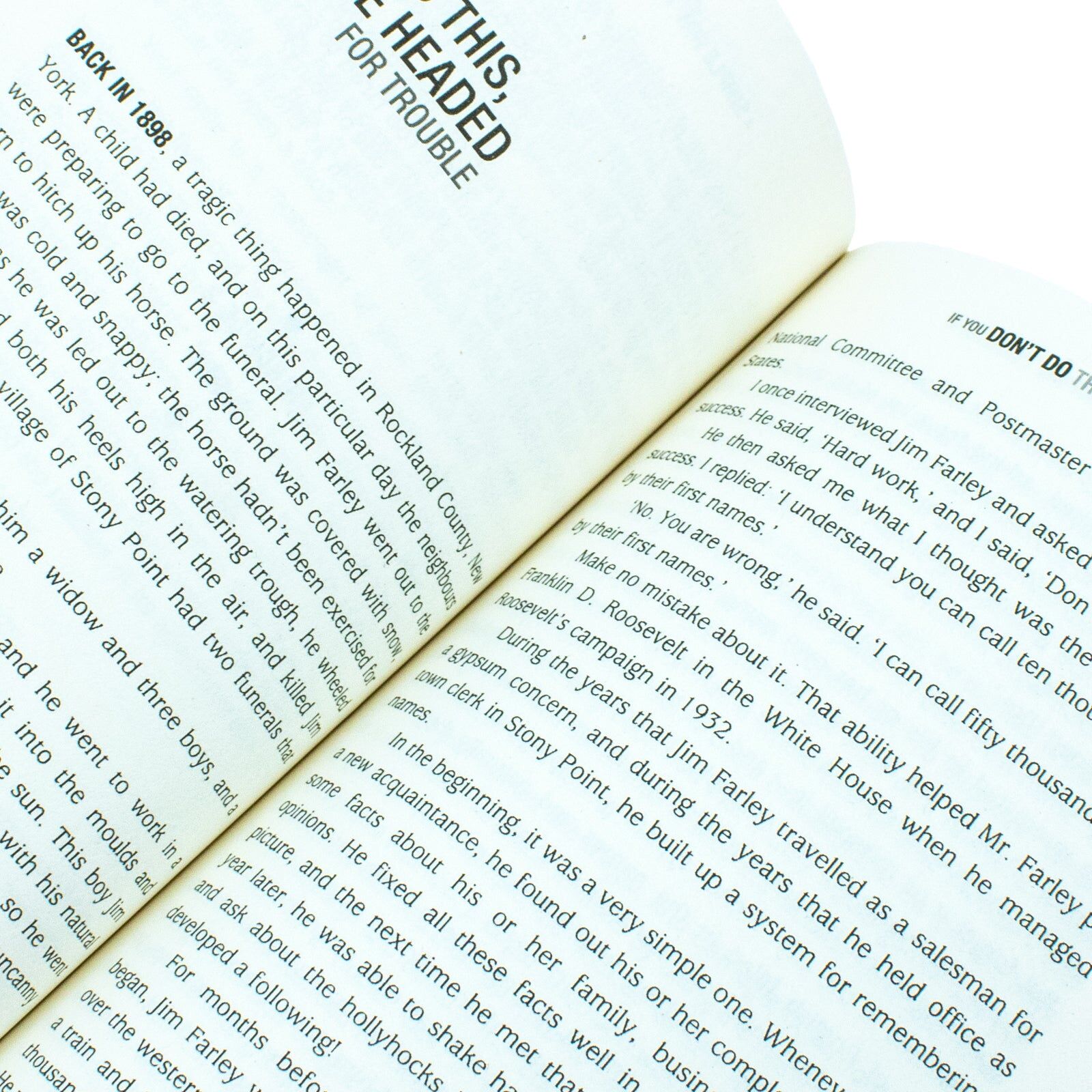
Penguin Supercommunicators: How to Unlock the Secret Language of Connection by Charles DuhiggWho and what are supercommunicators? They're the people who can steer a conversation to a successful conclusion. They are able to talk about difficult topics without giving offence. They know how to make others feel at ease and share what they think. They're brilliant facilitators and decision-guiders. How do they do it? In this groundbreaking new book, Charles Duhigg unravels the secrets of the supercommunicators to reveal the art – and the science – of successful communication. He unpicks the different types of everyday conversation and pinpoints why some go smoothly while others swiftly fall apart. He reveals the conversational questions and gambits that bring people together. And he shows how even the most tricky of encounters can be turned around. In the process, he shows why a CIA operative was able to win over a reluctant spy, how a member of a jury got his fellow jurors to view an open-and-shut case differently, and what a doctor found they needed to do to engage with a vaccine sceptic. Above all, he reveals the techniques we can all master to successfully connect with others, however tricky the circumstances. Packed with fascinating case studies and drawing on cutting-edge research, this book will change the way you think about what you say, and how you say it.9,99 £*Shipping: 2,99 £Secure redirect to the provider
-
Wilco International LLP How to Win Friends and Influence People by Dale Carnegie Classic Self Help Book on Communication, Leadership, Confidence & Personal DevelopmentDiscover one of the world's best-known personal development books with How to Win Friends and Influence People by Dale Carnegie. First published in 1936, this enduring classic presents practical principles for communicating effectively, building positive relationships and working successfully with other people. Through memorable examples and straightforward advice, Carnegie explores how to make a positive impression, handle disagreements constructively, encourage cooperation and become a more effective communicator. The principles can be applied across everyday life, from personal relationships and social situations to business, management, sales, networking and leadership. Accessible and practical, How to Win Friends and Influence People remains popular with readers interested in improving their communication skills, confidence, interpersonal relationships and professional development. Key Features Classic personal development book by Dale Carnegie Practical principles for improving communication Explores relationships, leadership and interpersonal skills Useful for business, management, sales and networking Helps readers understand effective people skills Suitable for personal and professional development Excellent gift for entrepreneurs, managers and self-improvement readers9,99 £*Shipping: 2,99 £Secure redirect to the provider
-
Which option is better: textured wallpaper or textured paint?
The choice between textured wallpaper and textured paint ultimately depends on personal preference and the specific needs of the space. Textured wallpaper can add depth and dimension to a room, but it may be more difficult to install and remove compared to textured paint. Textured paint, on the other hand, is easier to apply and can be customized to achieve different textures and effects. Consider factors such as maintenance, cost, and desired aesthetic when deciding between the two options. **
-
Which option do you prefer, textured plaster or textured wallpaper?
I prefer textured plaster over textured wallpaper. Textured plaster provides a more authentic and natural look, as it is applied directly to the wall and can be customized to suit the specific design aesthetic. Additionally, textured plaster is more durable and long-lasting compared to textured wallpaper, which can peel or tear over time. Overall, I find textured plaster to be a more versatile and visually appealing option for adding texture to a space. **
-
How can you apply textured plaster on a textured wallpaper?
To apply textured plaster on a textured wallpaper, you will first need to prepare the wallpaper by cleaning it thoroughly and allowing it to dry completely. Then, apply a primer to the wallpaper to create a smooth surface for the textured plaster to adhere to. Once the primer is dry, you can apply the textured plaster using a trowel or a putty knife, working in small sections to ensure even coverage. After the plaster has been applied, you can use a textured roller or a brush to create the desired texture. Allow the plaster to dry completely before applying any paint or sealant. **
-
What is textured paint 2?
Textured paint 2 is a type of paint that contains additives such as sand, silica, or other materials to create a textured finish on surfaces. This type of paint is often used to add depth and dimension to walls, ceilings, or furniture, and can help hide imperfections in the surface. Textured paint 2 can come in a variety of finishes, from subtle to more pronounced textures, allowing for a customized look in interior design. **
Similar search terms for Textured
-
How do you remove textured plaster?
To remove textured plaster, you can start by using a putty knife or scraper to gently chip away at the texture. You can also try using a heat gun to soften the plaster, making it easier to scrape off. Another method is to use a chemical paint stripper to dissolve the plaster. It's important to wear protective gear and work carefully to avoid damaging the underlying surface. **
-
How do I paint textured plaster?
To paint textured plaster, follow these steps: 1. Clean the surface: Use a damp cloth to wipe down the textured plaster to remove any dust, dirt, or debris. Allow the surface to dry completely before proceeding. 2. Prime the surface: Apply a coat of primer to the textured plaster to help the paint adhere better and provide a more even finish. Use a roller or brush to apply the primer evenly and allow it to dry according to the manufacturer's instructions. 3. Choose the right paint: Select a paint that is suitable for textured surfaces, such as a high-quality acrylic paint. Make sure to choose a color that complements the overall look and feel of the room. 4. Apply the paint: Use a roller or brush to apply the paint to the textured plaster. Work in small sections, starting from the top and working your way down. Make sure to apply the paint evenly and in a consistent direction to maintain a uniform finish. 5. Allow the paint to dry: Let the first coat of paint dry completely before applying a second coat if needed. Follow the drying time recommended by the paint manufacturer. 6. Touch up any areas: Once the paint is dry, inspect the surface for any areas that may need touch-ups. Use a brush to carefully touch up any missed spots or imperfections. 7. Seal the paint (optional): If desired, you can apply a clear sealer to protect the painted surface and enhance its durability. Follow the manufacturer's instructions for the sealer **
-
How can one smooth textured wallpaper?
To smooth textured wallpaper, you can start by sanding down any rough areas with fine-grit sandpaper to create a smoother surface. Then, apply a thin layer of joint compound or spackling paste to fill in any remaining texture or imperfections. Once the compound is dry, sand it down again to create a smooth and even surface. Finally, prime the wallpaper before applying a new coat of paint or wallpaper to achieve a flawless finish. **
-
Do Displates stick to textured wallpaper?
Yes, Displates can stick to textured wallpaper. The adhesive backing on Displates is strong enough to adhere to textured surfaces, including textured wallpaper. However, it's important to ensure that the surface is clean and dry before applying the Displate to ensure a strong bond. Additionally, pressing firmly on the Displate after applying it can help ensure that it adheres well to the textured wallpaper. **
* All prices are inclusive of VAT and, if applicable, plus shipping costs. The offer information is based on the details provided by the respective shop and is updated through automated processes. Real-time updates do not occur, so deviations can occur in individual cases. ** Note: Parts of this content were created by AI.