Buy powerofwords.eu ?
We are moving the project
powerofwords.eu .
Are you interested in purchasing the domain
powerofwords.eu ?
domain@kv-gmbh.de · 0541-91531010
Buy powerofwords.eu ?
What does paraphrasing and verbalizing mean?
Paraphrasing means expressing someone else's ideas or information in your own words, while still maintaining the original meaning. Verbalizing involves articulating thoughts or feelings out loud, often to help clarify them or communicate them to others. Both paraphrasing and verbalizing are important communication skills that can help improve understanding and ensure effective communication. **
Is paraphrasing and indirect quoting the same thing?
Paraphrasing and indirect quoting are similar in that they both involve restating information in one's own words. However, there is a subtle difference between the two. Paraphrasing involves completely rephrasing the original text, while indirect quoting involves referencing the original source but still putting the information in one's own words. Both techniques are important for avoiding plagiarism and properly crediting sources. **

Similar search terms for Paraphrasing
Top-Angebote
Products related to Paraphrasing:
-
EPOS Replacement Ear Pads - For Impact 700 Headsets - Soft Cushions for Comfort & Clear Communication in Everyday WorkPerfect fit for IMPACT 700 headsets - Designed for exact compatibility with all EPOS IMPACT 700 models for best fit and sound. Comfortable to wear even during long periods of use - Soft, skin-friendly material ensures comfort throughout the work day. Optimised noise shielding - Supports clear call quality through reliable acoustic sealing. Easy installation thanks to snap-on system - quick and tool-free interchangeable for immediate use. EPOS PREMIUM QUALITY - Tough, durable original replacement parts for reliable performance and a professional listening experience25,49 £*Shipping: 0,00 £Secure redirect to the provider


-
Does anyone know the difference between mirroring and paraphrasing?
Mirroring and paraphrasing are both communication techniques used to show understanding and empathy in a conversation, but they have different purposes. Mirroring involves repeating back the speaker's words or emotions to reflect understanding and encourage further discussion. Paraphrasing, on the other hand, involves restating the speaker's message in your own words to demonstrate active listening and ensure mutual understanding. While mirroring focuses on reflecting the speaker's emotions, paraphrasing focuses on summarizing and clarifying the speaker's message. **
-
Can the AI examiner be bypassed by paraphrasing the texts?
The AI examiner is designed to detect paraphrased content and assess the originality of the response. While paraphrasing can sometimes help to avoid direct plagiarism, the AI examiner is equipped to identify and evaluate the similarity of the paraphrased content to the original texts. Therefore, simply paraphrasing the texts may not be sufficient to bypass the AI examiner's detection of plagiarism or lack of originality. It is important to ensure that the response is not only paraphrased, but also demonstrates a genuine understanding and original interpretation of the material. **
-
Does a translation from German to English count as paraphrasing in academic studies?
No, a translation from German to English does not count as paraphrasing in academic studies. Paraphrasing involves rephrasing the original text in your own words while retaining the original meaning. Translation, on the other hand, involves converting the text from one language to another while preserving the original wording and meaning as much as possible. In academic studies, it is important to properly cite and reference translated works to give credit to the original author. **
-
How much do emojis influence our communication?
Emojis have a significant influence on our communication as they help convey emotions, tone, and context in digital conversations. They can help prevent misunderstandings and misinterpretations in text-based communication by adding nuance and clarity. Emojis also contribute to creating a sense of connection and understanding between individuals, especially in informal and casual conversations. Overall, emojis play a crucial role in enhancing and enriching our digital communication. **
What is the difference between impact, effect, influence, and influence?
Impact refers to a significant or strong effect or influence on something. Effect is the result or outcome of an action or event. Influence is the power to sway or affect someone's decisions, opinions, or behavior. Influence, on the other hand, is the capacity to have an effect on the character, development, or behavior of someone or something. **
What is the difference between effect, impact, influence, and influence?
Effect refers to the result or outcome of an action or event. Impact is the significant or powerful effect that an action or event has on something or someone. Influence is the ability to have an effect on the behavior, decisions, or opinions of others. Influence can also refer to the power to shape or change something. Overall, effect and impact focus on the result, while influence emphasizes the ability to affect others. **
Top-Angebote
Products related to Paraphrasing:
-
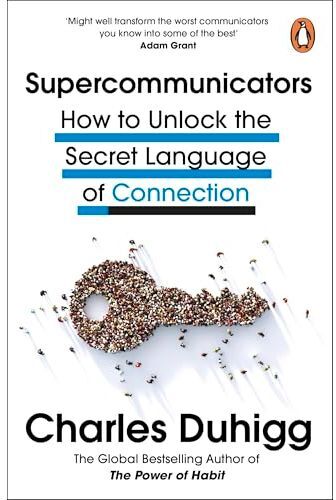
Penguin Supercommunicators: How to Unlock the Secret Language of Connection by Charles DuhiggWho and what are supercommunicators? They're the people who can steer a conversation to a successful conclusion. They are able to talk about difficult topics without giving offence. They know how to make others feel at ease and share what they think. They're brilliant facilitators and decision-guiders. How do they do it? In this groundbreaking new book, Charles Duhigg unravels the secrets of the supercommunicators to reveal the art – and the science – of successful communication. He unpicks the different types of everyday conversation and pinpoints why some go smoothly while others swiftly fall apart. He reveals the conversational questions and gambits that bring people together. And he shows how even the most tricky of encounters can be turned around. In the process, he shows why a CIA operative was able to win over a reluctant spy, how a member of a jury got his fellow jurors to view an open-and-shut case differently, and what a doctor found they needed to do to engage with a vaccine sceptic. Above all, he reveals the techniques we can all master to successfully connect with others, however tricky the circumstances. Packed with fascinating case studies and drawing on cutting-edge research, this book will change the way you think about what you say, and how you say it.9,99 £*Shipping: 2,99 £Secure redirect to the provider
-
Wilco International LLP How to Win Friends and Influence People by Dale Carnegie Classic Self Help Book on Communication, Leadership, Confidence & Personal DevelopmentDiscover one of the world's best-known personal development books with How to Win Friends and Influence People by Dale Carnegie. First published in 1936, this enduring classic presents practical principles for communicating effectively, building positive relationships and working successfully with other people. Through memorable examples and straightforward advice, Carnegie explores how to make a positive impression, handle disagreements constructively, encourage cooperation and become a more effective communicator. The principles can be applied across everyday life, from personal relationships and social situations to business, management, sales, networking and leadership. Accessible and practical, How to Win Friends and Influence People remains popular with readers interested in improving their communication skills, confidence, interpersonal relationships and professional development. Key Features Classic personal development book by Dale Carnegie Practical principles for improving communication Explores relationships, leadership and interpersonal skills Useful for business, management, sales and networking Helps readers understand effective people skills Suitable for personal and professional development Excellent gift for entrepreneurs, managers and self-improvement readers9,99 £*Shipping: 2,99 £Secure redirect to the provider
-
EPOS Replacement Ear Pads - For Impact 700 Headsets - Soft Cushions for Comfort & Clear Communication in Everyday WorkPerfect fit for IMPACT 700 headsets - Designed for exact compatibility with all EPOS IMPACT 700 models for best fit and sound. Comfortable to wear even during long periods of use - Soft, skin-friendly material ensures comfort throughout the work day. Optimised noise shielding - Supports clear call quality through reliable acoustic sealing. Easy installation thanks to snap-on system - quick and tool-free interchangeable for immediate use. EPOS PREMIUM QUALITY - Tough, durable original replacement parts for reliable performance and a professional listening experience25,49 £*Shipping: 0,00 £Secure redirect to the provider
-
What does paraphrasing and verbalizing mean?
Paraphrasing means expressing someone else's ideas or information in your own words, while still maintaining the original meaning. Verbalizing involves articulating thoughts or feelings out loud, often to help clarify them or communicate them to others. Both paraphrasing and verbalizing are important communication skills that can help improve understanding and ensure effective communication. **
-
Is paraphrasing and indirect quoting the same thing?
Paraphrasing and indirect quoting are similar in that they both involve restating information in one's own words. However, there is a subtle difference between the two. Paraphrasing involves completely rephrasing the original text, while indirect quoting involves referencing the original source but still putting the information in one's own words. Both techniques are important for avoiding plagiarism and properly crediting sources. **
-
Does anyone know the difference between mirroring and paraphrasing?
Mirroring and paraphrasing are both communication techniques used to show understanding and empathy in a conversation, but they have different purposes. Mirroring involves repeating back the speaker's words or emotions to reflect understanding and encourage further discussion. Paraphrasing, on the other hand, involves restating the speaker's message in your own words to demonstrate active listening and ensure mutual understanding. While mirroring focuses on reflecting the speaker's emotions, paraphrasing focuses on summarizing and clarifying the speaker's message. **
-
Can the AI examiner be bypassed by paraphrasing the texts?
The AI examiner is designed to detect paraphrased content and assess the originality of the response. While paraphrasing can sometimes help to avoid direct plagiarism, the AI examiner is equipped to identify and evaluate the similarity of the paraphrased content to the original texts. Therefore, simply paraphrasing the texts may not be sufficient to bypass the AI examiner's detection of plagiarism or lack of originality. It is important to ensure that the response is not only paraphrased, but also demonstrates a genuine understanding and original interpretation of the material. **
Similar search terms for Paraphrasing
-
Does a translation from German to English count as paraphrasing in academic studies?
No, a translation from German to English does not count as paraphrasing in academic studies. Paraphrasing involves rephrasing the original text in your own words while retaining the original meaning. Translation, on the other hand, involves converting the text from one language to another while preserving the original wording and meaning as much as possible. In academic studies, it is important to properly cite and reference translated works to give credit to the original author. **
-
How much do emojis influence our communication?
Emojis have a significant influence on our communication as they help convey emotions, tone, and context in digital conversations. They can help prevent misunderstandings and misinterpretations in text-based communication by adding nuance and clarity. Emojis also contribute to creating a sense of connection and understanding between individuals, especially in informal and casual conversations. Overall, emojis play a crucial role in enhancing and enriching our digital communication. **
-
What is the difference between impact, effect, influence, and influence?
Impact refers to a significant or strong effect or influence on something. Effect is the result or outcome of an action or event. Influence is the power to sway or affect someone's decisions, opinions, or behavior. Influence, on the other hand, is the capacity to have an effect on the character, development, or behavior of someone or something. **
-
What is the difference between effect, impact, influence, and influence?
Effect refers to the result or outcome of an action or event. Impact is the significant or powerful effect that an action or event has on something or someone. Influence is the ability to have an effect on the behavior, decisions, or opinions of others. Influence can also refer to the power to shape or change something. Overall, effect and impact focus on the result, while influence emphasizes the ability to affect others. **
* All prices are inclusive of VAT and, if applicable, plus shipping costs. The offer information is based on the details provided by the respective shop and is updated through automated processes. Real-time updates do not occur, so deviations can occur in individual cases. ** Note: Parts of this content were created by AI.