Buy powerofwords.eu ?
We are moving the project
powerofwords.eu .
Are you interested in purchasing the domain
powerofwords.eu ?
domain@kv-gmbh.de · 0541-91531010
Buy powerofwords.eu ?
What is parallelism?
Parallelism is a rhetorical device in which a writer or speaker uses similar grammatical structures, such as phrases or clauses, to create a balanced and harmonious effect. This technique helps to emphasize key ideas and create a sense of rhythm and flow in the writing. Parallelism is commonly used in literature, speeches, and advertising to make a point more memorable and impactful. It can also help to create a sense of unity and coherence in a piece of writing. **
Are parallelism and chiasmus opposites?
No, parallelism and chiasmus are not opposites. Parallelism is the repetition of similar grammatical structures or ideas in a sentence or passage, while chiasmus is a specific type of parallelism where the second half of a phrase mirrors the first half in reverse order. Both rhetorical devices involve balancing and mirroring elements in a sentence, but chiasmus adds an extra layer of symmetry by reversing the order of the elements. **
Similar search terms for Parallelism
Top-Angebote
Products related to Parallelism:
-
EPOS Replacement Ear Pads - For Impact 700 Headsets - Soft Cushions for Comfort & Clear Communication in Everyday WorkPerfect fit for IMPACT 700 headsets - Designed for exact compatibility with all EPOS IMPACT 700 models for best fit and sound. Comfortable to wear even during long periods of use - Soft, skin-friendly material ensures comfort throughout the work day. Optimised noise shielding - Supports clear call quality through reliable acoustic sealing. Easy installation thanks to snap-on system - quick and tool-free interchangeable for immediate use. EPOS PREMIUM QUALITY - Tough, durable original replacement parts for reliable performance and a professional listening experience25,49 £*Shipping: 0,00 £Secure redirect to the provider


-
What are climax, anaphora, and parallelism as German language stylistic devices?
In German language stylistic devices, climax refers to the arrangement of words or phrases in order of increasing importance or intensity to create a sense of building tension or excitement. Anaphora is the repetition of a word or phrase at the beginning of successive clauses or sentences for emphasis or rhetorical effect. Parallelism involves the repetition of grammatical structures, such as phrases or clauses, to create a balanced and harmonious effect in a sentence. These devices are commonly used in German literature and poetry to enhance the rhythm and impact of the text. **
-
Is this a parallelism or an anaphora?
This is an anaphora. An anaphora is the repetition of a word or phrase at the beginning of successive clauses or sentences. In this case, the repeated phrase "I have a dream" at the beginning of each sentence is an example of anaphora. **
-
How does parallelism work in a poem?
Parallelism in a poem involves using similar grammatical structures, such as repeating phrases or using the same sentence structure, to create a sense of balance and rhythm. This technique helps to emphasize key ideas or themes by drawing attention to them through repetition. By using parallelism, a poet can create a cohesive and harmonious flow in the poem, enhancing its overall impact on the reader. **
-
What are the literary devices Chiasmus and Parallelism?
Chiasmus is a rhetorical device in which words, phrases, or concepts are repeated in reverse order to create a balanced and symmetrical structure. This technique is often used to emphasize contrast or to create a sense of balance and harmony in a sentence or passage. Parallelism, on the other hand, is a literary device in which similar grammatical structures are used to create a pattern of repetition and rhythm. This technique can help to create a sense of unity and coherence in a piece of writing, as well as emphasize key ideas or themes. **
Is this a case of parallelism or anaphora?
This is a case of anaphora. Anaphora is the repetition of a word or phrase at the beginning of successive clauses or sentences, which is evident in the repeated use of "I have a dream" at the beginning of each sentence in the passage. Parallelism, on the other hand, involves the repetition of similar grammatical structures within a sentence or passage. **
What is the difference between anaphora and parallelism?
Anaphora is the repetition of a word or phrase at the beginning of successive clauses or sentences, while parallelism is the repetition of similar grammatical structures within a sentence or passage. Anaphora is used to create emphasis and rhythm, while parallelism is used to create balance and symmetry in writing. Both devices can enhance the clarity and impact of a writer's message, but they achieve this in slightly different ways. **
Top-Angebote
Products related to Parallelism:
-
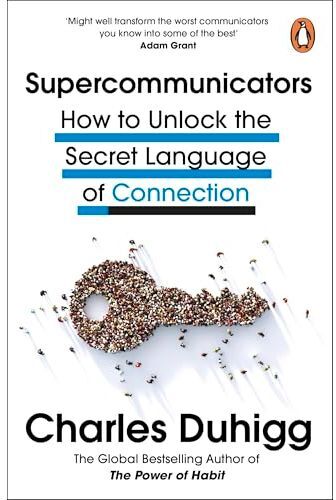
Penguin Supercommunicators: How to Unlock the Secret Language of Connection by Charles DuhiggWho and what are supercommunicators? They're the people who can steer a conversation to a successful conclusion. They are able to talk about difficult topics without giving offence. They know how to make others feel at ease and share what they think. They're brilliant facilitators and decision-guiders. How do they do it? In this groundbreaking new book, Charles Duhigg unravels the secrets of the supercommunicators to reveal the art – and the science – of successful communication. He unpicks the different types of everyday conversation and pinpoints why some go smoothly while others swiftly fall apart. He reveals the conversational questions and gambits that bring people together. And he shows how even the most tricky of encounters can be turned around. In the process, he shows why a CIA operative was able to win over a reluctant spy, how a member of a jury got his fellow jurors to view an open-and-shut case differently, and what a doctor found they needed to do to engage with a vaccine sceptic. Above all, he reveals the techniques we can all master to successfully connect with others, however tricky the circumstances. Packed with fascinating case studies and drawing on cutting-edge research, this book will change the way you think about what you say, and how you say it.9,99 £*Shipping: 2,99 £Secure redirect to the provider
-
Wilco International LLP How to Win Friends and Influence People by Dale Carnegie Classic Self Help Book on Communication, Leadership, Confidence & Personal DevelopmentDiscover one of the world's best-known personal development books with How to Win Friends and Influence People by Dale Carnegie. First published in 1936, this enduring classic presents practical principles for communicating effectively, building positive relationships and working successfully with other people. Through memorable examples and straightforward advice, Carnegie explores how to make a positive impression, handle disagreements constructively, encourage cooperation and become a more effective communicator. The principles can be applied across everyday life, from personal relationships and social situations to business, management, sales, networking and leadership. Accessible and practical, How to Win Friends and Influence People remains popular with readers interested in improving their communication skills, confidence, interpersonal relationships and professional development. Key Features Classic personal development book by Dale Carnegie Practical principles for improving communication Explores relationships, leadership and interpersonal skills Useful for business, management, sales and networking Helps readers understand effective people skills Suitable for personal and professional development Excellent gift for entrepreneurs, managers and self-improvement readers9,99 £*Shipping: 2,99 £Secure redirect to the provider
-
EPOS Replacement Ear Pads - For Impact 700 Headsets - Soft Cushions for Comfort & Clear Communication in Everyday WorkPerfect fit for IMPACT 700 headsets - Designed for exact compatibility with all EPOS IMPACT 700 models for best fit and sound. Comfortable to wear even during long periods of use - Soft, skin-friendly material ensures comfort throughout the work day. Optimised noise shielding - Supports clear call quality through reliable acoustic sealing. Easy installation thanks to snap-on system - quick and tool-free interchangeable for immediate use. EPOS PREMIUM QUALITY - Tough, durable original replacement parts for reliable performance and a professional listening experience25,49 £*Shipping: 0,00 £Secure redirect to the provider
-
What is parallelism?
Parallelism is a rhetorical device in which a writer or speaker uses similar grammatical structures, such as phrases or clauses, to create a balanced and harmonious effect. This technique helps to emphasize key ideas and create a sense of rhythm and flow in the writing. Parallelism is commonly used in literature, speeches, and advertising to make a point more memorable and impactful. It can also help to create a sense of unity and coherence in a piece of writing. **
-
Are parallelism and chiasmus opposites?
No, parallelism and chiasmus are not opposites. Parallelism is the repetition of similar grammatical structures or ideas in a sentence or passage, while chiasmus is a specific type of parallelism where the second half of a phrase mirrors the first half in reverse order. Both rhetorical devices involve balancing and mirroring elements in a sentence, but chiasmus adds an extra layer of symmetry by reversing the order of the elements. **
-
What are climax, anaphora, and parallelism as German language stylistic devices?
In German language stylistic devices, climax refers to the arrangement of words or phrases in order of increasing importance or intensity to create a sense of building tension or excitement. Anaphora is the repetition of a word or phrase at the beginning of successive clauses or sentences for emphasis or rhetorical effect. Parallelism involves the repetition of grammatical structures, such as phrases or clauses, to create a balanced and harmonious effect in a sentence. These devices are commonly used in German literature and poetry to enhance the rhythm and impact of the text. **
-
Is this a parallelism or an anaphora?
This is an anaphora. An anaphora is the repetition of a word or phrase at the beginning of successive clauses or sentences. In this case, the repeated phrase "I have a dream" at the beginning of each sentence is an example of anaphora. **
Similar search terms for Parallelism
-
How does parallelism work in a poem?
Parallelism in a poem involves using similar grammatical structures, such as repeating phrases or using the same sentence structure, to create a sense of balance and rhythm. This technique helps to emphasize key ideas or themes by drawing attention to them through repetition. By using parallelism, a poet can create a cohesive and harmonious flow in the poem, enhancing its overall impact on the reader. **
-
What are the literary devices Chiasmus and Parallelism?
Chiasmus is a rhetorical device in which words, phrases, or concepts are repeated in reverse order to create a balanced and symmetrical structure. This technique is often used to emphasize contrast or to create a sense of balance and harmony in a sentence or passage. Parallelism, on the other hand, is a literary device in which similar grammatical structures are used to create a pattern of repetition and rhythm. This technique can help to create a sense of unity and coherence in a piece of writing, as well as emphasize key ideas or themes. **
-
Is this a case of parallelism or anaphora?
This is a case of anaphora. Anaphora is the repetition of a word or phrase at the beginning of successive clauses or sentences, which is evident in the repeated use of "I have a dream" at the beginning of each sentence in the passage. Parallelism, on the other hand, involves the repetition of similar grammatical structures within a sentence or passage. **
-
What is the difference between anaphora and parallelism?
Anaphora is the repetition of a word or phrase at the beginning of successive clauses or sentences, while parallelism is the repetition of similar grammatical structures within a sentence or passage. Anaphora is used to create emphasis and rhythm, while parallelism is used to create balance and symmetry in writing. Both devices can enhance the clarity and impact of a writer's message, but they achieve this in slightly different ways. **
* All prices are inclusive of VAT and, if applicable, plus shipping costs. The offer information is based on the details provided by the respective shop and is updated through automated processes. Real-time updates do not occur, so deviations can occur in individual cases. ** Note: Parts of this content were created by AI.