Buy powerofwords.eu ?
We are moving the project
powerofwords.eu .
Are you interested in purchasing the domain
powerofwords.eu ?
domain@kv-gmbh.de · 0541-91531010
Buy powerofwords.eu ?
Does the race of humans influence intelligence?
No, the race of humans does not influence intelligence. Intelligence is a complex trait that is influenced by a combination of genetic, environmental, and social factors. There is no scientific evidence to support the idea that one race is inherently more intelligent than another. It is important to recognize and challenge any beliefs or stereotypes that suggest otherwise. **
How did humans come to speak and use language as a means of communication?
The evolution of human language is a complex and debated topic among scientists. It is believed that the development of language was a gradual process that occurred over hundreds of thousands of years. Some theories suggest that the need for cooperation and social interaction among early humans led to the development of communication systems, which eventually evolved into language. Others propose that the development of language was linked to the expansion of the human brain and cognitive abilities. Regardless of the exact process, it is clear that the ability to speak and use language has played a crucial role in the development of human societies and culture. **
Similar search terms for Humans
Top-Angebote
Products related to Humans:
-
Canongate Books Humans: An A-Z by Matt HaigHumans An A-Z Humorous story book by Matt Haig. Book explains Human stories, Human habits and humour collection Book. Whether you are planning a high level of human interaction or just a casual visit to the planet, this user-guide to the human race will help you translate their sayings, understand exotic concepts such as democracy and sofas, and make sense of their habits and bizarre customs. A phrase book, a dictionary and a survival guide, this book unravels all the oddness, idiosyncrasies and wonder of the species, allowing everyone to make the most of their time on Earth.4,98 £*Shipping: 1,99 £Secure redirect to the provider
-
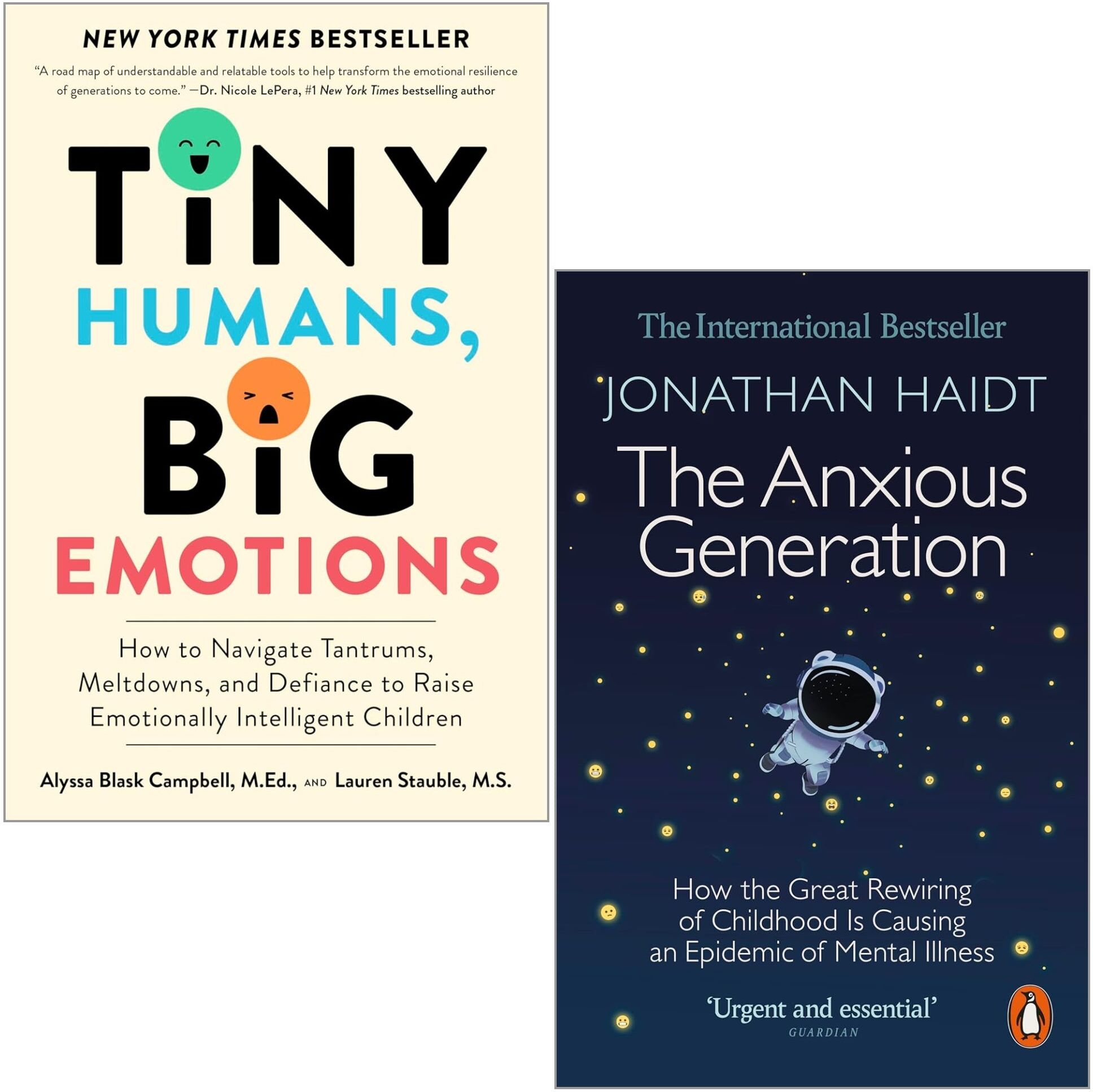
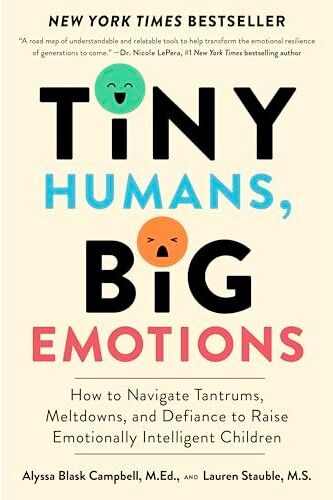
Harvent/Penguin Tiny Humans, Big Emotions and The Anxious Generation 2 Books Collection SetTiny Humans, Big Emotions and The Anxious Generation 2 Books Collection Set Tiny Humans, Big Emotions by Alyssa Blask Campbell, Lauren Elizabeth Stauble The Future is Emotionally Intelligent From two early childhood experts, an essential parenting guide for toddler behavior that empowers parents to help their little ones navigate their big feelings—including tantrums, outbursts, and separation anxiety—while laying the groundwork for a lifetime of emotional intelligence. We’re in the midst of a parenting revolution that is radically changing the way we raise our kids. Gone are the days of minimizing emotions: Don’t Cry. You’re Fine. Don’t Make a Scene. As our understanding of developing brains has increased, today’s parents are embracing conscious parenting and looking for a new way to help their children understand their feelings and learn to process them. The Anxious Generation by Jonathan Haidt Acclaimed psychologist Jonathan Haidt reveals how the decline of free-play in childhood and the rise of smartphone use among adolescents is changing our world From 2010, as teens traded in their flip phones for smartphones packed with social media apps, unsupervised time online soared while face-to-face conversations with friends and family plummeted, and so did mental health. This profound shift took place against a backdrop of diminishing childhood freedom and over-supervision in the real world, depriving children of the experiences they most need to become strong and self-governing adults.14,99 £*Shipping: 2,99 £Secure redirect to the provider
-
Pet Hub Tricky And Funny Dentures: Perfect Halloween Cosplay Supplies For Pets And Humans BFalse Teeth For Dog Funny Dentures Pet Decorating Supplies Halloween Cosplay Humans And Vampires Toys Tricky Funny Dentures Description:Halloween Decorations Very easy to wear thanks to its personalized socket design.Suitable for many occasions,...20,00 $*Shipping: 0,00 $Secure redirect to the provider
-
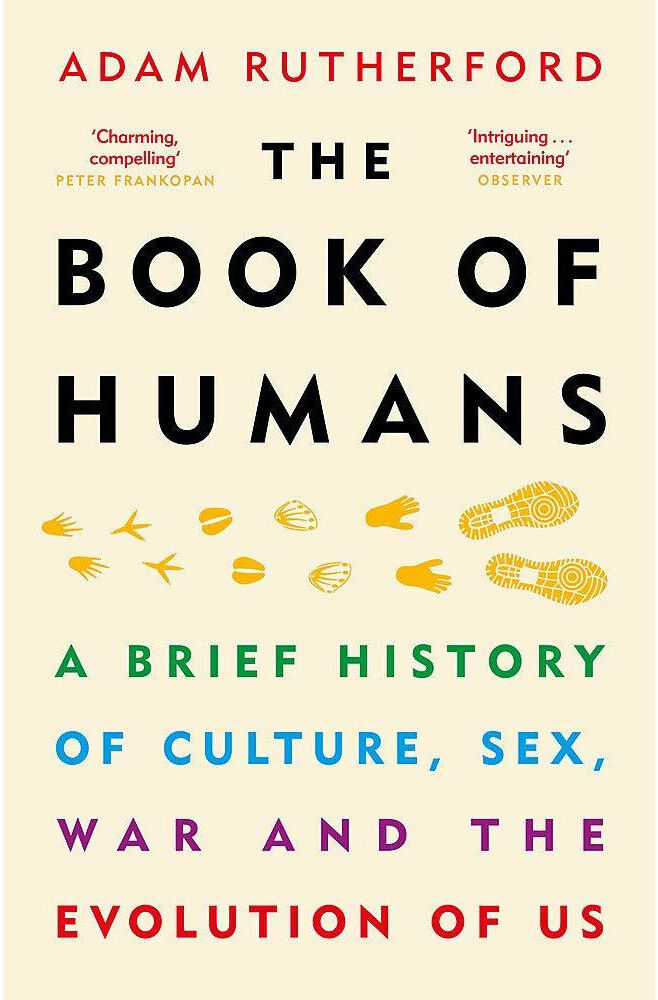
Orion The Book of Humans by Adam Rutherford – A Brief History of Culture, Sex, War & EvolutionWHAT MAKES US HUMAN? Waging war? Sex for pleasure? Creating art? Mastery of fire? In this thrilling tour of the animal kingdom, Adam Rutherford tells the story of how we became the unique creatures we are today. Illuminated by the latest scientific discoveries, THE BOOK OF HUMANS is a dazzling compendium of what unequivocally fixes us as animals, and reveals how we are extraordinary among them.4,98 £*Shipping: 1,99 £Secure redirect to the provider


-
How does verbal communication between humans and animals occur?
Verbal communication between humans and animals occurs through the use of spoken language and vocal cues. Humans can use words, tone of voice, and body language to communicate with animals, such as giving commands to pets or using soothing words to calm them. Animals, in turn, can also communicate with humans through vocalizations, body language, and responses to human speech. This type of communication can help build understanding and trust between humans and animals, and is often used in training and bonding with pets. **
-
How do you think humans acquire language?
Humans acquire language through a combination of biological predisposition and environmental exposure. The human brain is naturally wired for language acquisition, with specific areas dedicated to processing and producing language. Additionally, exposure to language from caregivers and the surrounding environment plays a crucial role in language development. Through interaction, imitation, and reinforcement, children gradually learn the rules and structure of their native language. Overall, the acquisition of language is a complex interplay between innate abilities and environmental input. **
-
Would humans survive, for example, a meteorite impact?
It would depend on the size and impact location of the meteorite. A small meteorite would likely not pose a significant threat to human survival, but a large meteorite impacting a densely populated area could have catastrophic consequences. However, humans have shown resilience and adaptability in the face of natural disasters, so it is possible that some individuals could survive and eventually rebuild in the aftermath of a meteorite impact. **
-
Are prehistoric humans considered humans?
Yes, prehistoric humans are considered to be early members of the Homo genus, which includes modern humans (Homo sapiens). While they may have had different physical characteristics and lived in different time periods, they are still classified as part of the same evolutionary lineage as modern humans. Prehistoric humans were capable of using tools, creating art, and engaging in complex social behaviors, indicating their human-like cognitive abilities. **
What impact do humans have on the marine ecosystem?
Humans have a significant impact on the marine ecosystem through activities such as overfishing, pollution, coastal development, and climate change. Overfishing disrupts the balance of marine food chains, leading to declines in fish populations. Pollution from sources like plastic waste and oil spills harms marine life and habitats. Coastal development can destroy important breeding and feeding grounds for marine species. Climate change is causing rising sea temperatures and ocean acidification, which threaten the survival of many marine organisms. Overall, human activities are putting immense pressure on the marine ecosystem and its biodiversity. **
Does plate tectonics have an impact on us humans?
Yes, plate tectonics have a significant impact on humans. The movement of tectonic plates can cause earthquakes, volcanic eruptions, and tsunamis, which can result in loss of life, destruction of infrastructure, and displacement of communities. Additionally, the movement of tectonic plates can also lead to the formation of natural resources such as oil, gas, and minerals, which are essential for human activities and economic development. Understanding plate tectonics is crucial for predicting and preparing for natural disasters and for managing natural resources. **
Top-Angebote
Products related to Humans:
-
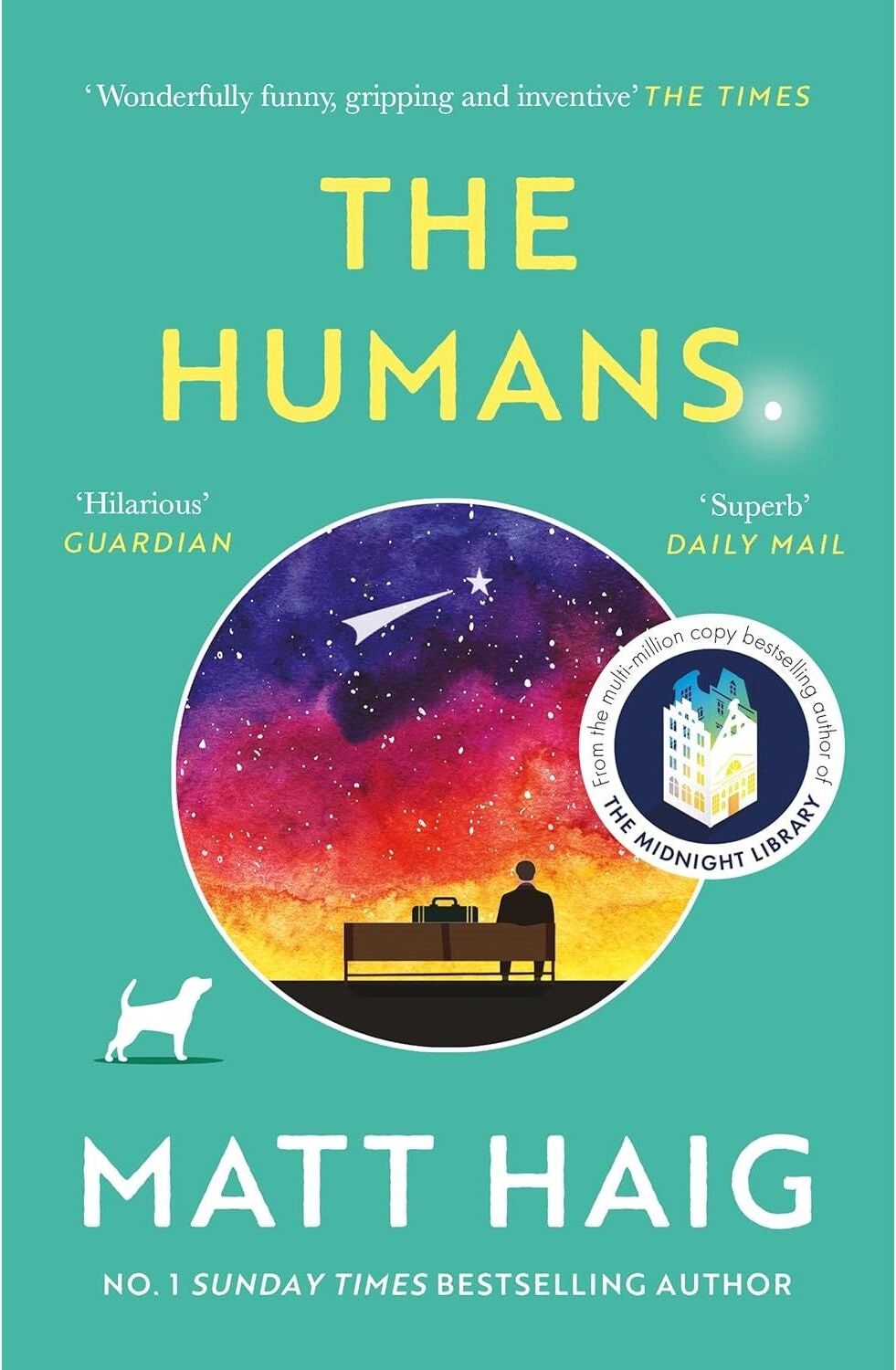
Canongate Books The Humans by Matt HaigTHERE'S NO PLACE LIKE HOME. OR IS THERE? After an 'incident' one wet Friday night where he is found walking naked through the streets of Cambridge; Professor Andrew Martin is not feeling quite himself. Food sickens him. Clothes confound him. Even his loving wife and teenage son are repulsive to him. He feels lost amongst an alien species and hates everyone on the planet. Everyone; that is; except Newton; and he's a dog. Who is he really? And what could make someone change their mind about the human race . . . ?3,99 £*Shipping: 1,99 £Secure redirect to the provider
-
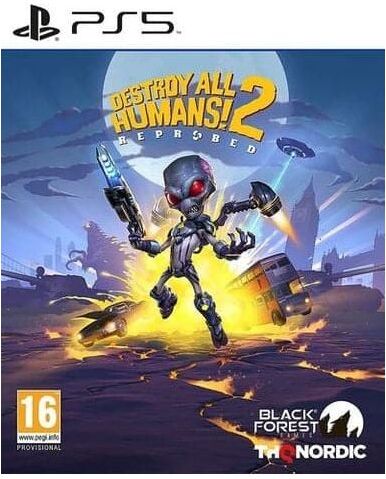
playstation Destroy All Humans! 2 Reprobed PS5 Game, NewThe alien invader returns, groovier than ever. Experience the swinging '60s in all its chemical-induced glory and take revenge on the KGB for blowing up your mothership. You'll have to form alliances with members of the very species you came to enslave. Show those hippies who is the boss using classic weapons and new technology like the Meteor Shower. Explore 1960's Mother Earth and unload your trusty saucer all over her fictional cities. Defend a much larger, much more open world from those who seek to undermine your mission. Hoover up humans from different countries and grind them up into DNA cocktails to upgrade your skills. Invite a friend over for a twosome and enjoy the full story in local 2-player split screen co-op. Release date: 30 August 2022. Game disc. For ages 16 years and over. This game is classified as certificate 16. It contains content unsuitable for persons under 16 years old. It is illegal to supply it to anyone under that age. DO NOT attempt to purchase the item if you are under 16. PS5 compatible. EAN: 9120080077356.20,00 £*Shipping: 0,00 £Secure redirect to the provider
-
Canongate Books Humans: An A-Z by Matt HaigHumans An A-Z Humorous story book by Matt Haig. Book explains Human stories, Human habits and humour collection Book. Whether you are planning a high level of human interaction or just a casual visit to the planet, this user-guide to the human race will help you translate their sayings, understand exotic concepts such as democracy and sofas, and make sense of their habits and bizarre customs. A phrase book, a dictionary and a survival guide, this book unravels all the oddness, idiosyncrasies and wonder of the species, allowing everyone to make the most of their time on Earth.4,98 £*Shipping: 1,99 £Secure redirect to the provider
-
Harvent/Penguin Tiny Humans, Big Emotions and The Anxious Generation 2 Books Collection SetTiny Humans, Big Emotions and The Anxious Generation 2 Books Collection Set Tiny Humans, Big Emotions by Alyssa Blask Campbell, Lauren Elizabeth Stauble The Future is Emotionally Intelligent From two early childhood experts, an essential parenting guide for toddler behavior that empowers parents to help their little ones navigate their big feelings—including tantrums, outbursts, and separation anxiety—while laying the groundwork for a lifetime of emotional intelligence. We’re in the midst of a parenting revolution that is radically changing the way we raise our kids. Gone are the days of minimizing emotions: Don’t Cry. You’re Fine. Don’t Make a Scene. As our understanding of developing brains has increased, today’s parents are embracing conscious parenting and looking for a new way to help their children understand their feelings and learn to process them. The Anxious Generation by Jonathan Haidt Acclaimed psychologist Jonathan Haidt reveals how the decline of free-play in childhood and the rise of smartphone use among adolescents is changing our world From 2010, as teens traded in their flip phones for smartphones packed with social media apps, unsupervised time online soared while face-to-face conversations with friends and family plummeted, and so did mental health. This profound shift took place against a backdrop of diminishing childhood freedom and over-supervision in the real world, depriving children of the experiences they most need to become strong and self-governing adults.14,99 £*Shipping: 2,99 £Secure redirect to the provider
-
Does the race of humans influence intelligence?
No, the race of humans does not influence intelligence. Intelligence is a complex trait that is influenced by a combination of genetic, environmental, and social factors. There is no scientific evidence to support the idea that one race is inherently more intelligent than another. It is important to recognize and challenge any beliefs or stereotypes that suggest otherwise. **
-
How did humans come to speak and use language as a means of communication?
The evolution of human language is a complex and debated topic among scientists. It is believed that the development of language was a gradual process that occurred over hundreds of thousands of years. Some theories suggest that the need for cooperation and social interaction among early humans led to the development of communication systems, which eventually evolved into language. Others propose that the development of language was linked to the expansion of the human brain and cognitive abilities. Regardless of the exact process, it is clear that the ability to speak and use language has played a crucial role in the development of human societies and culture. **
-
How does verbal communication between humans and animals occur?
Verbal communication between humans and animals occurs through the use of spoken language and vocal cues. Humans can use words, tone of voice, and body language to communicate with animals, such as giving commands to pets or using soothing words to calm them. Animals, in turn, can also communicate with humans through vocalizations, body language, and responses to human speech. This type of communication can help build understanding and trust between humans and animals, and is often used in training and bonding with pets. **
-
How do you think humans acquire language?
Humans acquire language through a combination of biological predisposition and environmental exposure. The human brain is naturally wired for language acquisition, with specific areas dedicated to processing and producing language. Additionally, exposure to language from caregivers and the surrounding environment plays a crucial role in language development. Through interaction, imitation, and reinforcement, children gradually learn the rules and structure of their native language. Overall, the acquisition of language is a complex interplay between innate abilities and environmental input. **
Similar search terms for Humans
-
Pet Hub Tricky And Funny Dentures: Perfect Halloween Cosplay Supplies For Pets And Humans BFalse Teeth For Dog Funny Dentures Pet Decorating Supplies Halloween Cosplay Humans And Vampires Toys Tricky Funny Dentures Description:Halloween Decorations Very easy to wear thanks to its personalized socket design.Suitable for many occasions,...20,00 $*Shipping: 0,00 $Secure redirect to the provider
-
Orion The Book of Humans by Adam Rutherford – A Brief History of Culture, Sex, War & EvolutionWHAT MAKES US HUMAN? Waging war? Sex for pleasure? Creating art? Mastery of fire? In this thrilling tour of the animal kingdom, Adam Rutherford tells the story of how we became the unique creatures we are today. Illuminated by the latest scientific discoveries, THE BOOK OF HUMANS is a dazzling compendium of what unequivocally fixes us as animals, and reveals how we are extraordinary among them.4,98 £*Shipping: 1,99 £Secure redirect to the provider
-
Harvest Tiny Humans, Big Emotions: How to Navigate Tantrums, Meltdowns, and Defiance to Raise Emotionally Intelligent ChildrenThe Future is Emotionally Intelligent From two early childhood experts, an essential parenting guide for toddler behavior that empowers parents to help their little ones navigate their big feelings—including tantrums, outbursts, and separation anxiety—while laying the groundwork for a lifetime of emotional intelligence. We’re in the midst of a parenting revolution that is radically changing the way we raise our kids. Gone are the days of minimizing emotions: Don’t Cry. You’re Fine. Don’t Make a Scene. As our understanding of developing brains has increased, today’s parents are embracing conscious parenting and looking for a new way to help their children understand their feelings and learn to process them. Emotional development experts Alyssa Blask Campbell, M.Ed. and Lauren Stauble M.S. are at the forefront of a movement to foster little ones’ emotional intelligence. Their revolutionary Collaborative Emotion Processing (CEP) method has been a game changer for parents and educators, and now they are sharing it with readers in this indispensable guide. Tiny Humans, Big Emotions provides the tools to tackle every sort of stressful child-rearing situation, including: • What to do when your child throws a tantrum (it's not what you think!) • Helpful scripts to handle any challenging moment like school refusal and bedtime resistance • How to react when your child hits, punches, or bites • Easy tips that help regulate your child’s nervous system • How to anticipate and end meltdowns before they even begin Designed for all humans—tiny and big—this book shows caregivers of children how to handle challenging behaviors and outbursts while empowering them to recognize and manage difficult feelings like anger, sadness, and shame, along with anxiety. All caregivers will find valuable insights and guidance in this book, especially those caring for children from infancy to age eight. Tiny Humans, Big Emotions equips adults with tools for emotional intelligence so they can respond with intention. This innovative, research-based approach teaches children self-regulation, empathy, and effective coping strategies, even as it strengthens the parent-child relationship, setting the groundwork for a lifetime of emotional resilience and wellbeing. This book is an essential, empathetic guide for gentle parenting that will teach parents to notice their own habits and hold space for their tiny human's big emotions.5,99 £*Shipping: 2,99 £Secure redirect to the provider
-
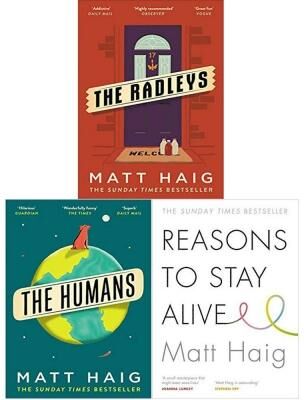
Canongate Books Matt Haig 3 Book Set – The Humans, Reasons to Stay Alive & The Radleys Bestseller CollectionThe Humans THERE'S NO PLACE LIKE HOME. OR IS THERE? After an 'incident' one wet Friday night where he is found walking naked through the streets of Cambridge; Professor Andrew Martin is not feeling quite himself. Food sickens him. Clothes confound him. Even his loving wife and teenage son are repulsive to him. He feels lost amongst an alien species and hates everyone on the planet. Everyone; that is; except Newton; and he's a dog. The Radleys Life with the Radleys: Radio 4; dinner parties with the Bishopthorpe neighbours and self-denial. Loads of self-denial. But all hell is about to break loose. When teenage daughter Clara gets attacked on the way home from a party; she and her brother Rowan finally discover why they can't sleep; can't eat a Thai salad without fear of asphyxiation and can't go outside unless they're smothered in Factor 50. Reason To Stay Alive WHAT DOES IT MEAN TO FEEL TRULY ALIVE Aged 24; Matt Haig's world caved in. He could see no way to go on living. This is the true story of how he came through crisis; triumphed over an illness that almost destroyed him and learned to live again. A moving; funny and joyous exploration of how to live better; love better and feel more alive; Reasons to Stay Alive is more than a memoir. It is a book about making the most of your time on earth.10,99 £*Shipping: 2,99 £Secure redirect to the provider
-
Would humans survive, for example, a meteorite impact?
It would depend on the size and impact location of the meteorite. A small meteorite would likely not pose a significant threat to human survival, but a large meteorite impacting a densely populated area could have catastrophic consequences. However, humans have shown resilience and adaptability in the face of natural disasters, so it is possible that some individuals could survive and eventually rebuild in the aftermath of a meteorite impact. **
-
Are prehistoric humans considered humans?
Yes, prehistoric humans are considered to be early members of the Homo genus, which includes modern humans (Homo sapiens). While they may have had different physical characteristics and lived in different time periods, they are still classified as part of the same evolutionary lineage as modern humans. Prehistoric humans were capable of using tools, creating art, and engaging in complex social behaviors, indicating their human-like cognitive abilities. **
-
What impact do humans have on the marine ecosystem?
Humans have a significant impact on the marine ecosystem through activities such as overfishing, pollution, coastal development, and climate change. Overfishing disrupts the balance of marine food chains, leading to declines in fish populations. Pollution from sources like plastic waste and oil spills harms marine life and habitats. Coastal development can destroy important breeding and feeding grounds for marine species. Climate change is causing rising sea temperatures and ocean acidification, which threaten the survival of many marine organisms. Overall, human activities are putting immense pressure on the marine ecosystem and its biodiversity. **
-
Does plate tectonics have an impact on us humans?
Yes, plate tectonics have a significant impact on humans. The movement of tectonic plates can cause earthquakes, volcanic eruptions, and tsunamis, which can result in loss of life, destruction of infrastructure, and displacement of communities. Additionally, the movement of tectonic plates can also lead to the formation of natural resources such as oil, gas, and minerals, which are essential for human activities and economic development. Understanding plate tectonics is crucial for predicting and preparing for natural disasters and for managing natural resources. **
* All prices are inclusive of VAT and, if applicable, plus shipping costs. The offer information is based on the details provided by the respective shop and is updated through automated processes. Real-time updates do not occur, so deviations can occur in individual cases. ** Note: Parts of this content were created by AI.