Buy powerofwords.eu ?
We are moving the project
powerofwords.eu .
Are you interested in purchasing the domain
powerofwords.eu ?
domain@kv-gmbh.de · 0541-91531010
Buy powerofwords.eu ?
Which pins are used for transmitting and receiving data for 1000Base-T and 10GBASE-T with an RJ45 connector and UTP cable?
For 1000Base-T, the pins used for transmitting and receiving data with an RJ45 connector and UTP cable are pins 1 and 2 for transmitting and pins 3 and 6 for receiving. For 10GBASE-T, all four pairs of pins (1-2, 3-6, 4-5, 7-8) are used for transmitting and receiving data simultaneously, allowing for higher data transfer rates. These pins are used to transmit and receive data over twisted pair cables in Ethernet networks. **
Is there no TAE connection, only an RJ45 connection?
Yes, it is possible for a device to have only an RJ45 connection without a TAE connection. The RJ45 connection is commonly used for Ethernet networking, while the TAE connection is typically used for telephone and analog communication. Therefore, a device that only has an RJ45 connection may be intended for networking purposes rather than traditional telephone communication. **


Similar search terms for HPE-10GBase-T-SFP-RJ45
Top-Angebote
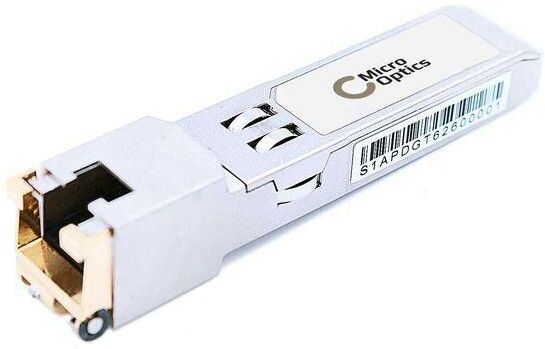
Products related to HPE-10GBase-T-SFP-RJ45:


-
What is RJ45?
RJ45 is a type of connector commonly used for Ethernet networking. It is an 8-pin connector that is used to connect computers, routers, switches, and other network devices to create a local area network (LAN). RJ45 connectors are typically used with twisted pair cables, such as Cat5e or Cat6, to transmit data between devices at high speeds. The name "RJ45" stands for Registered Jack 45, which is a standardized physical interface for connecting telecommunications equipment. **
-
What is the compatibility of SFP transceivers?
SFP transceivers are designed to be compatible with a wide range of networking equipment, including switches, routers, and media converters. They adhere to industry standards such as MSA (Multi-Source Agreement), ensuring interoperability between different manufacturers' devices. However, it is important to check the specifications and compatibility requirements of both the transceiver and the networking equipment to ensure proper functionality. In some cases, using transceivers from the same manufacturer as the networking equipment can help guarantee compatibility. **
-
Is an RJ45 connection the same as an Ethernet port?
An RJ45 connection and an Ethernet port are related but not the same. An RJ45 connection refers to the physical connector used to plug in Ethernet cables. An Ethernet port, on the other hand, is the interface on a device where you plug in the Ethernet cable. So, while an RJ45 connection is necessary for an Ethernet port to function, they are not interchangeable terms. **
-
How is an RJ45 connector crimped?
An RJ45 connector is crimped by first stripping the outer insulation of the Ethernet cable to expose the inner wires. The wires are then arranged in the correct order according to the wiring standard (T568A or T568B). The wires are inserted into the RJ45 connector, making sure they reach the end of the connector. Finally, a crimping tool is used to press the connector onto the wires, securing them in place. **


How is an RJ45 connector wired?
An RJ45 connector is typically wired using the T568A or T568B wiring standards. These standards specify the order in which the individual wires inside the cable should be connected to the pins on the RJ45 connector. The wiring process involves stripping the outer insulation of the cable, untwisting the individual wire pairs, arranging them in the correct order according to the chosen standard, and then inserting them into the appropriate slots on the RJ45 connector. Finally, the wires are crimped into place using a specialized tool to secure the connection. **
What is a critical system state in the HPE ProLiant 380 Gen 7?
A critical system state in the HPE ProLiant 380 Gen 7 refers to a state where the server is experiencing a severe issue that requires immediate attention. This could include hardware failures, overheating, power supply issues, or other critical errors that could potentially lead to system downtime or data loss. When the server enters a critical system state, it will typically trigger alerts and notifications to the system administrator, prompting them to take immediate action to resolve the issue and prevent further damage to the system. **
Top-Angebote
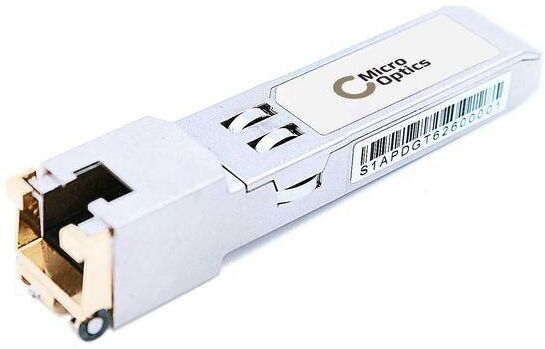
Products related to HPE-10GBase-T-SFP-RJ45:
-
Which pins are used for transmitting and receiving data for 1000Base-T and 10GBASE-T with an RJ45 connector and UTP cable?
For 1000Base-T, the pins used for transmitting and receiving data with an RJ45 connector and UTP cable are pins 1 and 2 for transmitting and pins 3 and 6 for receiving. For 10GBASE-T, all four pairs of pins (1-2, 3-6, 4-5, 7-8) are used for transmitting and receiving data simultaneously, allowing for higher data transfer rates. These pins are used to transmit and receive data over twisted pair cables in Ethernet networks. **
-
Is there no TAE connection, only an RJ45 connection?
Yes, it is possible for a device to have only an RJ45 connection without a TAE connection. The RJ45 connection is commonly used for Ethernet networking, while the TAE connection is typically used for telephone and analog communication. Therefore, a device that only has an RJ45 connection may be intended for networking purposes rather than traditional telephone communication. **
-
What is RJ45?
RJ45 is a type of connector commonly used for Ethernet networking. It is an 8-pin connector that is used to connect computers, routers, switches, and other network devices to create a local area network (LAN). RJ45 connectors are typically used with twisted pair cables, such as Cat5e or Cat6, to transmit data between devices at high speeds. The name "RJ45" stands for Registered Jack 45, which is a standardized physical interface for connecting telecommunications equipment. **
-
What is the compatibility of SFP transceivers?
SFP transceivers are designed to be compatible with a wide range of networking equipment, including switches, routers, and media converters. They adhere to industry standards such as MSA (Multi-Source Agreement), ensuring interoperability between different manufacturers' devices. However, it is important to check the specifications and compatibility requirements of both the transceiver and the networking equipment to ensure proper functionality. In some cases, using transceivers from the same manufacturer as the networking equipment can help guarantee compatibility. **
Similar search terms for HPE-10GBase-T-SFP-RJ45
-
Lanview HPE Aruba JL783A Compatible 10GBase-LR SFP+ Transceiver, 1310nm, 10km, DDMILanview 10GBase-LR SFP+ transceiver, compatible with HPE Aruba JL783A. Single-mode, 1310 nm, reach up to 10 km, with DDMI (digital diagnostic monitoring). A third-party compatible module, not an HPE-branded part.51,99 £*Shipping: 0,00 £Secure redirect to the provider
-
Is an RJ45 connection the same as an Ethernet port?
An RJ45 connection and an Ethernet port are related but not the same. An RJ45 connection refers to the physical connector used to plug in Ethernet cables. An Ethernet port, on the other hand, is the interface on a device where you plug in the Ethernet cable. So, while an RJ45 connection is necessary for an Ethernet port to function, they are not interchangeable terms. **
-
How is an RJ45 connector crimped?
An RJ45 connector is crimped by first stripping the outer insulation of the Ethernet cable to expose the inner wires. The wires are then arranged in the correct order according to the wiring standard (T568A or T568B). The wires are inserted into the RJ45 connector, making sure they reach the end of the connector. Finally, a crimping tool is used to press the connector onto the wires, securing them in place. **
-
How is an RJ45 connector wired?
An RJ45 connector is typically wired using the T568A or T568B wiring standards. These standards specify the order in which the individual wires inside the cable should be connected to the pins on the RJ45 connector. The wiring process involves stripping the outer insulation of the cable, untwisting the individual wire pairs, arranging them in the correct order according to the chosen standard, and then inserting them into the appropriate slots on the RJ45 connector. Finally, the wires are crimped into place using a specialized tool to secure the connection. **
-
What is a critical system state in the HPE ProLiant 380 Gen 7?
A critical system state in the HPE ProLiant 380 Gen 7 refers to a state where the server is experiencing a severe issue that requires immediate attention. This could include hardware failures, overheating, power supply issues, or other critical errors that could potentially lead to system downtime or data loss. When the server enters a critical system state, it will typically trigger alerts and notifications to the system administrator, prompting them to take immediate action to resolve the issue and prevent further damage to the system. **
* All prices are inclusive of VAT and, if applicable, plus shipping costs. The offer information is based on the details provided by the respective shop and is updated through automated processes. Real-time updates do not occur, so deviations can occur in individual cases. ** Note: Parts of this content were created by AI.