Buy powerofwords.eu ?
We are moving the project
powerofwords.eu .
Are you interested in purchasing the domain
powerofwords.eu ?
domain@kv-gmbh.de · 0541-91531010
Buy powerofwords.eu ?
Which German songs contain figurative language?
Some German songs that contain figurative language include "99 Luftballons" by Nena, which uses the metaphor of balloons to symbolize the threat of nuclear war, and "Du Hast" by Rammstein, which uses the metaphor of marriage vows to explore themes of commitment and betrayal. Additionally, "Über den Wolken" by Reinhard Mey uses the metaphor of flying above the clouds to represent a sense of freedom and escape. These songs showcase how figurative language can add depth and emotion to the lyrics, making them more impactful for listeners. **
How do I recognize figurative language?
Figurative language can be recognized by looking for words or phrases that are not meant to be taken literally. This can include similes, metaphors, personification, and hyperbole. Look for comparisons, exaggerations, or descriptions that go beyond the literal meaning of the words. Figurative language is often used to create vivid imagery, convey emotions, or add depth to the meaning of a text. **

Similar search terms for Figurative
Top-Angebote
Products related to Figurative:
-
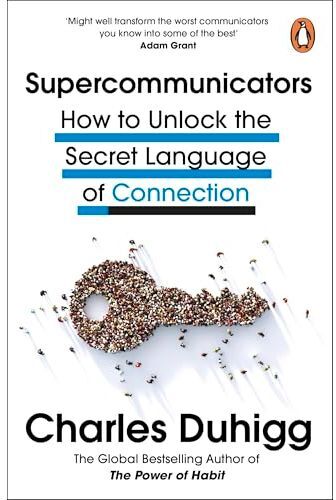
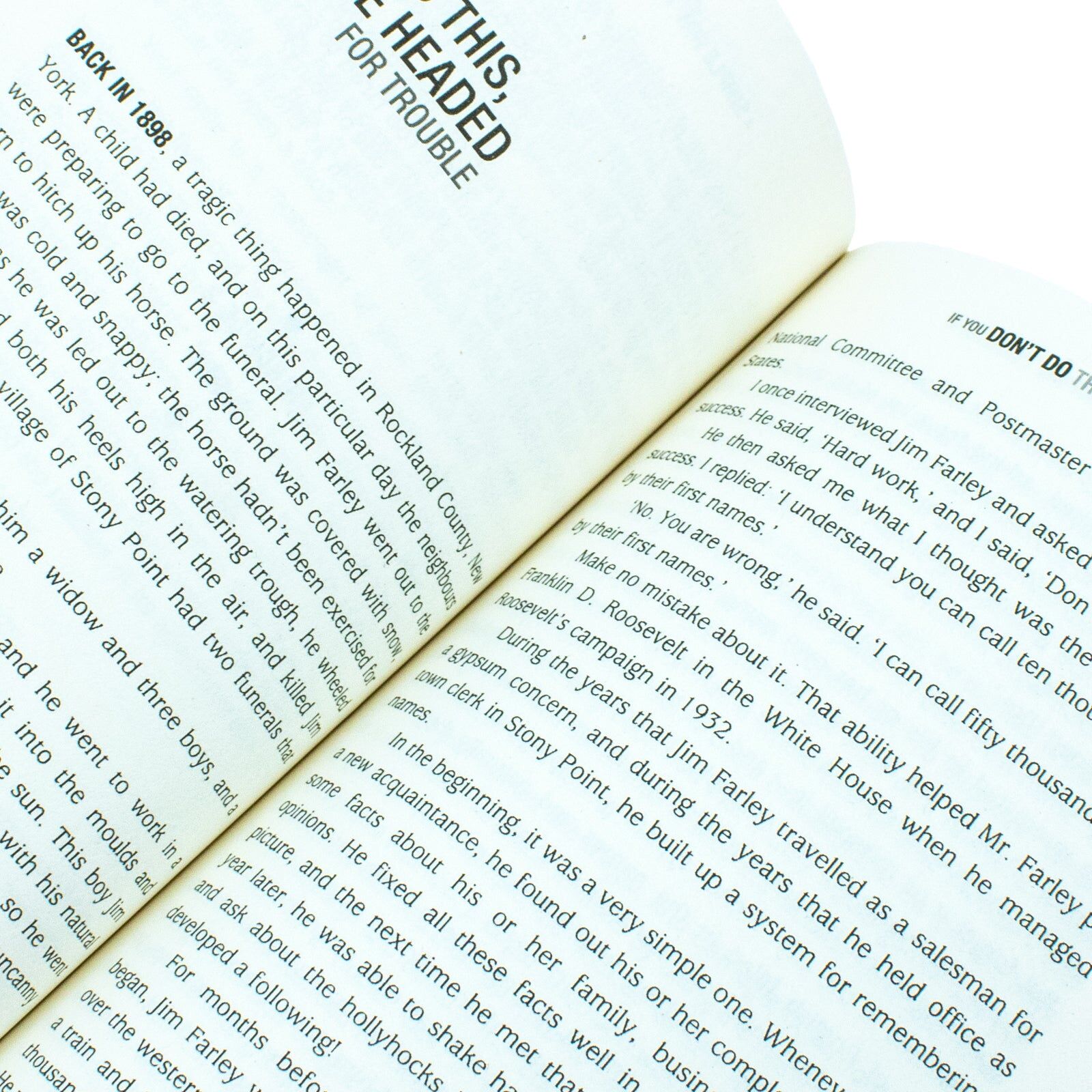
Penguin Supercommunicators: How to Unlock the Secret Language of Connection by Charles DuhiggWho and what are supercommunicators? They're the people who can steer a conversation to a successful conclusion. They are able to talk about difficult topics without giving offence. They know how to make others feel at ease and share what they think. They're brilliant facilitators and decision-guiders. How do they do it? In this groundbreaking new book, Charles Duhigg unravels the secrets of the supercommunicators to reveal the art – and the science – of successful communication. He unpicks the different types of everyday conversation and pinpoints why some go smoothly while others swiftly fall apart. He reveals the conversational questions and gambits that bring people together. And he shows how even the most tricky of encounters can be turned around. In the process, he shows why a CIA operative was able to win over a reluctant spy, how a member of a jury got his fellow jurors to view an open-and-shut case differently, and what a doctor found they needed to do to engage with a vaccine sceptic. Above all, he reveals the techniques we can all master to successfully connect with others, however tricky the circumstances. Packed with fascinating case studies and drawing on cutting-edge research, this book will change the way you think about what you say, and how you say it.9,99 £*Shipping: 2,99 £Secure redirect to the provider
-
Wilco International LLP How to Win Friends and Influence People by Dale Carnegie Classic Self Help Book on Communication, Leadership, Confidence & Personal DevelopmentDiscover one of the world's best-known personal development books with How to Win Friends and Influence People by Dale Carnegie. First published in 1936, this enduring classic presents practical principles for communicating effectively, building positive relationships and working successfully with other people. Through memorable examples and straightforward advice, Carnegie explores how to make a positive impression, handle disagreements constructively, encourage cooperation and become a more effective communicator. The principles can be applied across everyday life, from personal relationships and social situations to business, management, sales, networking and leadership. Accessible and practical, How to Win Friends and Influence People remains popular with readers interested in improving their communication skills, confidence, interpersonal relationships and professional development. Key Features Classic personal development book by Dale Carnegie Practical principles for improving communication Explores relationships, leadership and interpersonal skills Useful for business, management, sales and networking Helps readers understand effective people skills Suitable for personal and professional development Excellent gift for entrepreneurs, managers and self-improvement readers9,99 £*Shipping: 2,99 £Secure redirect to the provider


-
Can you help me with figurative language?
Of course! Figurative language includes techniques like similes, metaphors, personification, and hyperbole to create vivid imagery and convey meaning beyond the literal interpretation of words. I can provide examples and explanations of different types of figurative language to help you understand and use them effectively in your writing. Feel free to ask me any specific questions or examples you would like to learn more about! **
-
What is the figurative language in Romeo and Juliet?
In Romeo and Juliet, there are various examples of figurative language used throughout the play. Some common types of figurative language found in the play include metaphors, similes, personification, and imagery. For example, Romeo compares Juliet to the sun in Act 2, Scene 2 when he says, "But, soft! What light through yonder window breaks? It is the east, and Juliet is the sun." This metaphor compares Juliet's beauty and brightness to the sun, emphasizing her importance to Romeo. These instances of figurative language help to enhance the emotional depth and imagery in the play. **
-
What are the figurative language elements in this poem?
The figurative language elements in this poem include similes, such as "like a bird" and "like a flower," which compare the speaker's feelings to the natural world. There is also personification, as the speaker describes the heart as "aching" and the tears as "falling." Additionally, the use of imagery, such as "crimson petals" and "tears like rain," creates vivid mental pictures that evoke the emotions of the speaker. These figurative language elements help to convey the depth of the speaker's emotions and create a rich, sensory experience for the reader. **
-
What figurative language can be found in the poem Heidenröslein?
The poem "Heidenröslein" by Johann Wolfgang von Goethe contains several examples of figurative language, including personification and metaphor. The rose is personified as a young maiden, with the speaker addressing it as "little rose" and describing it as "so young and fair." The poem also uses metaphor to compare the rose to a young girl's heart, emphasizing its delicate and vulnerable nature. These figurative language devices help to create a vivid and emotional portrayal of the rose and its significance in the poem. **

Do you know the figurative language used in the Bible?
Yes, I am familiar with the figurative language used in the Bible. The Bible contains a wide range of figurative language, including metaphors, similes, personification, and symbolism. These literary devices are used to convey deeper meanings and truths, and are an important aspect of the poetic and prophetic language found throughout the Bible. The use of figurative language in the Bible helps to make its messages more vivid and impactful for readers. **
What other figurative holy objects are there?
Other figurative holy objects include the cross, which is a symbol of Christianity and represents the crucifixion of Jesus Christ. In Hinduism, the lotus flower is considered a holy symbol, representing purity and enlightenment. In Buddhism, the wheel of Dharma is a sacred symbol, representing the teachings of the Buddha and the path to enlightenment. Additionally, in Islam, the Kaaba in Mecca is considered a holy object, as it is the most sacred site in Islam and the direction of prayer for Muslims around the world. **
Top-Angebote
Products related to Figurative:
-
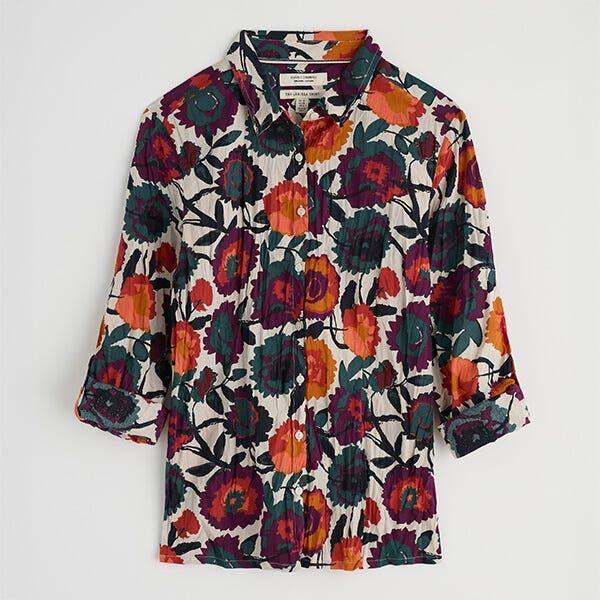
Seasalt Larissa Shirt Figurative Floral AranThe Seasalt Larissa Shirt in Figurative Floral Aran is made from the softest organic cotton with a casual crinkled appearance. The beauty of this shirt is that it doesn’t need ironing – just wash and twist to keep the crinkle. This semi-fitted style is easy-to-style and comfortable, with long sleeves and button loops so you can roll up the cuffs to change your look. Each season, it showcases some of our most-loved prints, created by our talented textile designers. Made from 100% Organic Cotton. Machine wash at 30°C.19,00 £*Shipping: 3,50 £Secure redirect to the provider
-
Penguin Supercommunicators: How to Unlock the Secret Language of Connection by Charles DuhiggWho and what are supercommunicators? They're the people who can steer a conversation to a successful conclusion. They are able to talk about difficult topics without giving offence. They know how to make others feel at ease and share what they think. They're brilliant facilitators and decision-guiders. How do they do it? In this groundbreaking new book, Charles Duhigg unravels the secrets of the supercommunicators to reveal the art – and the science – of successful communication. He unpicks the different types of everyday conversation and pinpoints why some go smoothly while others swiftly fall apart. He reveals the conversational questions and gambits that bring people together. And he shows how even the most tricky of encounters can be turned around. In the process, he shows why a CIA operative was able to win over a reluctant spy, how a member of a jury got his fellow jurors to view an open-and-shut case differently, and what a doctor found they needed to do to engage with a vaccine sceptic. Above all, he reveals the techniques we can all master to successfully connect with others, however tricky the circumstances. Packed with fascinating case studies and drawing on cutting-edge research, this book will change the way you think about what you say, and how you say it.9,99 £*Shipping: 2,99 £Secure redirect to the provider
-
Which German songs contain figurative language?
Some German songs that contain figurative language include "99 Luftballons" by Nena, which uses the metaphor of balloons to symbolize the threat of nuclear war, and "Du Hast" by Rammstein, which uses the metaphor of marriage vows to explore themes of commitment and betrayal. Additionally, "Über den Wolken" by Reinhard Mey uses the metaphor of flying above the clouds to represent a sense of freedom and escape. These songs showcase how figurative language can add depth and emotion to the lyrics, making them more impactful for listeners. **
-
How do I recognize figurative language?
Figurative language can be recognized by looking for words or phrases that are not meant to be taken literally. This can include similes, metaphors, personification, and hyperbole. Look for comparisons, exaggerations, or descriptions that go beyond the literal meaning of the words. Figurative language is often used to create vivid imagery, convey emotions, or add depth to the meaning of a text. **
-
Can you help me with figurative language?
Of course! Figurative language includes techniques like similes, metaphors, personification, and hyperbole to create vivid imagery and convey meaning beyond the literal interpretation of words. I can provide examples and explanations of different types of figurative language to help you understand and use them effectively in your writing. Feel free to ask me any specific questions or examples you would like to learn more about! **
-
What is the figurative language in Romeo and Juliet?
In Romeo and Juliet, there are various examples of figurative language used throughout the play. Some common types of figurative language found in the play include metaphors, similes, personification, and imagery. For example, Romeo compares Juliet to the sun in Act 2, Scene 2 when he says, "But, soft! What light through yonder window breaks? It is the east, and Juliet is the sun." This metaphor compares Juliet's beauty and brightness to the sun, emphasizing her importance to Romeo. These instances of figurative language help to enhance the emotional depth and imagery in the play. **
Similar search terms for Figurative
-
Wilco International LLP How to Win Friends and Influence People by Dale Carnegie Classic Self Help Book on Communication, Leadership, Confidence & Personal DevelopmentDiscover one of the world's best-known personal development books with How to Win Friends and Influence People by Dale Carnegie. First published in 1936, this enduring classic presents practical principles for communicating effectively, building positive relationships and working successfully with other people. Through memorable examples and straightforward advice, Carnegie explores how to make a positive impression, handle disagreements constructively, encourage cooperation and become a more effective communicator. The principles can be applied across everyday life, from personal relationships and social situations to business, management, sales, networking and leadership. Accessible and practical, How to Win Friends and Influence People remains popular with readers interested in improving their communication skills, confidence, interpersonal relationships and professional development. Key Features Classic personal development book by Dale Carnegie Practical principles for improving communication Explores relationships, leadership and interpersonal skills Useful for business, management, sales and networking Helps readers understand effective people skills Suitable for personal and professional development Excellent gift for entrepreneurs, managers and self-improvement readers9,99 £*Shipping: 2,99 £Secure redirect to the provider
-
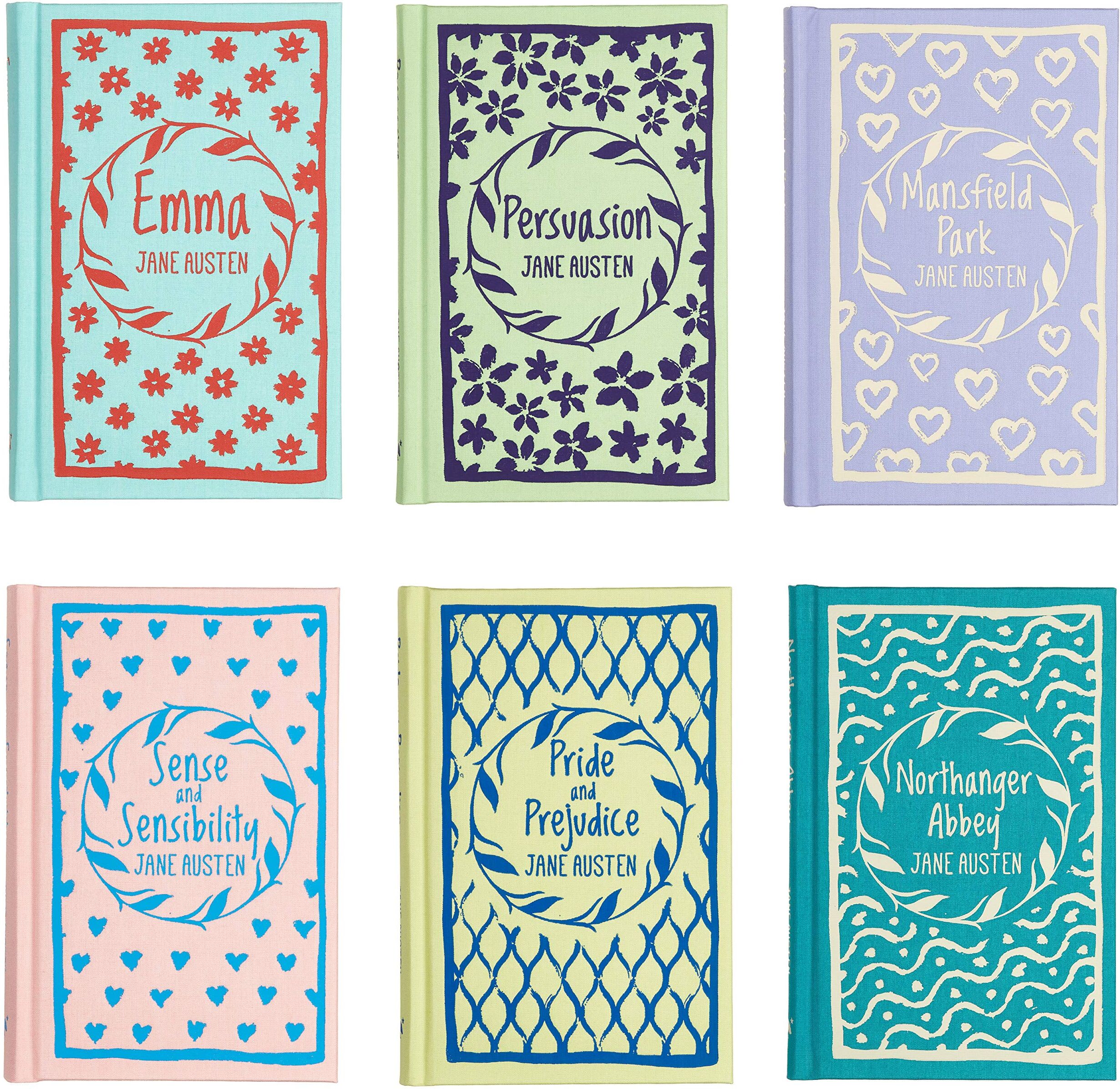
Arcturus The Jane Austen Collection 6 Books Box Set Sense And Sensibility Emma Persuasion Mansfield Pride A..This gorgeous collection of six hardback clothbound books features Jane Austen's most famous and beloved titles: Emma Persuasion Pride and Prejudice Sense and Sensibility Northanger Abbey Mansfield Park Witty, vivid and eloquent, Jane Austen s delightful romance novels will paint a colourful portrait of the last chapter of the eighteenth century inside the reader s mind. With feisty, inspiring heroines and charming male characters, these love stories are far from being merely about love: they are ironic, often frustrating studies of the society the author was part of; they are lessons on women s rights and the importance of friendship and a loving marriage. Most of all, these love stories address issues of gender politics and class ranking that were rarely expressed in Jane Austen s time and were the beginning of a mindset revolution in her day. Each of these novels will dazzle readers in a different way and will prove how no one can write about love or relationships as Jane Austen did. It is a brilliant gift for Austen fans and lovers of classic English literature. Click Here to View Paperback Version23,85 £*Shipping: 2,99 £Secure redirect to the provider
-
Touch of Class Influence Metal Wall Sculpture Multi Metallic , Multi MetallicThe bronze and gold curved strips seem to Influence the direction of the silver orbs in this metal wall sculpture. Smaller circular bursts, secured by wire rods, are accented in copper, gold, and silver. Handcrafted of plated steel, this wall...399,00 $*Shipping: 0,00 $Secure redirect to the provider
-
What are the figurative language elements in this poem?
The figurative language elements in this poem include similes, such as "like a bird" and "like a flower," which compare the speaker's feelings to the natural world. There is also personification, as the speaker describes the heart as "aching" and the tears as "falling." Additionally, the use of imagery, such as "crimson petals" and "tears like rain," creates vivid mental pictures that evoke the emotions of the speaker. These figurative language elements help to convey the depth of the speaker's emotions and create a rich, sensory experience for the reader. **
-
What figurative language can be found in the poem Heidenröslein?
The poem "Heidenröslein" by Johann Wolfgang von Goethe contains several examples of figurative language, including personification and metaphor. The rose is personified as a young maiden, with the speaker addressing it as "little rose" and describing it as "so young and fair." The poem also uses metaphor to compare the rose to a young girl's heart, emphasizing its delicate and vulnerable nature. These figurative language devices help to create a vivid and emotional portrayal of the rose and its significance in the poem. **
-
Do you know the figurative language used in the Bible?
Yes, I am familiar with the figurative language used in the Bible. The Bible contains a wide range of figurative language, including metaphors, similes, personification, and symbolism. These literary devices are used to convey deeper meanings and truths, and are an important aspect of the poetic and prophetic language found throughout the Bible. The use of figurative language in the Bible helps to make its messages more vivid and impactful for readers. **
-
What other figurative holy objects are there?
Other figurative holy objects include the cross, which is a symbol of Christianity and represents the crucifixion of Jesus Christ. In Hinduism, the lotus flower is considered a holy symbol, representing purity and enlightenment. In Buddhism, the wheel of Dharma is a sacred symbol, representing the teachings of the Buddha and the path to enlightenment. Additionally, in Islam, the Kaaba in Mecca is considered a holy object, as it is the most sacred site in Islam and the direction of prayer for Muslims around the world. **
* All prices are inclusive of VAT and, if applicable, plus shipping costs. The offer information is based on the details provided by the respective shop and is updated through automated processes. Real-time updates do not occur, so deviations can occur in individual cases. ** Note: Parts of this content were created by AI.