Buy powerofwords.eu ?
We are moving the project
powerofwords.eu .
Are you interested in purchasing the domain
powerofwords.eu ?
domain@kv-gmbh.de · 0541-91531010
Buy powerofwords.eu ?
What language skills does an educator need?
An educator needs strong language skills in order to effectively communicate with students, parents, and colleagues. This includes the ability to speak clearly and concisely, as well as to listen actively and empathetically. Additionally, educators should have strong writing skills in order to create lesson plans, assessments, and other instructional materials. Finally, educators should be able to adapt their language skills to meet the needs of diverse learners, including those who are English language learners or have special needs. **
How does communication take place in the profession of an educator?
Communication in the profession of an educator takes place in various forms. Educators communicate with students through verbal instruction, written assignments, and one-on-one discussions. They also communicate with parents through emails, phone calls, and parent-teacher conferences to provide updates on student progress. Additionally, educators collaborate with colleagues through staff meetings, professional development workshops, and shared resources to exchange ideas and best practices. Effective communication is essential for creating a positive learning environment and fostering strong relationships with students, parents, and colleagues. **

Similar search terms for Educator
Top-Angebote
Products related to Educator:
-
Wilco International LLP How to Win Friends and Influence People by Dale Carnegie Classic Self Help Book on Communication, Leadership, Confidence & Personal DevelopmentDiscover one of the world's best-known personal development books with How to Win Friends and Influence People by Dale Carnegie. First published in 1936, this enduring classic presents practical principles for communicating effectively, building positive relationships and working successfully with other people. Through memorable examples and straightforward advice, Carnegie explores how to make a positive impression, handle disagreements constructively, encourage cooperation and become a more effective communicator. The principles can be applied across everyday life, from personal relationships and social situations to business, management, sales, networking and leadership. Accessible and practical, How to Win Friends and Influence People remains popular with readers interested in improving their communication skills, confidence, interpersonal relationships and professional development. Key Features Classic personal development book by Dale Carnegie Practical principles for improving communication Explores relationships, leadership and interpersonal skills Useful for business, management, sales and networking Helps readers understand effective people skills Suitable for personal and professional development Excellent gift for entrepreneurs, managers and self-improvement readers9,99 £*Shipping: 2,99 £Secure redirect to the provider
-
EPOS Replacement Ear Pads - For Impact 700 Headsets - Soft Cushions for Comfort & Clear Communication in Everyday WorkPerfect fit for IMPACT 700 headsets - Designed for exact compatibility with all EPOS IMPACT 700 models for best fit and sound. Comfortable to wear even during long periods of use - Soft, skin-friendly material ensures comfort throughout the work day. Optimised noise shielding - Supports clear call quality through reliable acoustic sealing. Easy installation thanks to snap-on system - quick and tool-free interchangeable for immediate use. EPOS PREMIUM QUALITY - Tough, durable original replacement parts for reliable performance and a professional listening experience25,49 £*Shipping: 0,00 £Secure redirect to the provider


-
'Educator or technician?'
The choice between being an educator or a technician ultimately depends on one's interests and strengths. Educators focus on teaching and sharing knowledge with others, while technicians specialize in practical skills and hands-on work. Both roles are important in their own right, and individuals should choose the path that aligns best with their passions and abilities. It is also possible to combine elements of both roles by pursuing a career that involves both teaching and technical expertise. **
-
How can an educator organize a teacher's visit for language development?
An educator can organize a teacher's visit for language development by first identifying the specific language needs and goals of the teachers. They can then arrange for a language expert or tutor to conduct workshops or training sessions tailored to those needs. Additionally, the educator can schedule opportunities for the teachers to practice and apply their language skills in real-life situations, such as through immersion experiences or interactions with native speakers. Finally, the educator should provide ongoing support and resources to help the teachers continue developing their language proficiency even after the visit. **
-
Is the educator overwhelmed?
It is difficult to determine if the educator is overwhelmed without more context or information. Signs of overwhelm could include increased stress, difficulty managing tasks, or expressing feelings of being overwhelmed. It would be important to have a conversation with the educator to understand their current workload, challenges, and support systems in order to assess if they are feeling overwhelmed and how best to address it. **
-
What is an educator?
An educator is someone who teaches and guides others in acquiring knowledge, skills, and values. They play a crucial role in shaping the intellectual and personal development of their students. Educators can work in various settings such as schools, colleges, universities, and training centers. They are responsible for creating engaging learning experiences, fostering critical thinking, and supporting the growth and success of their students. **
Which training should I pursue: Educator Pia or Youth and Residential Educator?
The choice between pursuing training as an Educator Pia or Youth and Residential Educator depends on your career goals and interests. If you are passionate about working with young children and want to focus on early childhood education, then pursuing training as an Educator Pia would be a good fit. On the other hand, if you are interested in working with older youth and in residential settings, then pursuing training as a Youth and Residential Educator would be more suitable. Consider your strengths, interests, and long-term career goals to make the best decision for your future. **
What is an independent educator?
An independent educator is someone who provides educational services outside of traditional educational institutions such as schools or universities. They may offer tutoring, coaching, workshops, or online courses on a variety of subjects. Independent educators have the flexibility to design their own curriculum, set their own schedule, and work directly with students to meet their individual learning needs. They often have expertise in a specific area and are passionate about sharing their knowledge with others. **
Top-Angebote
Products related to Educator:
-
Jaspertronics™ Original Lamp & Housing for the Sharp EDUCATOR-SS-1200 Projector - 1 Year WarrantyNew Jaspertronics™ Original Lamp & Housing Module for the following Saville AV models: EDUCATOR SS-1200 Lamp Specifications Specifications Data Product Code EDUCATOR SS-1200 Part Type Lamp and Housing Warranty Industry Leading 1 Year Warranty...78,99 $*Shipping: 0,00 $Secure redirect to the provider
-
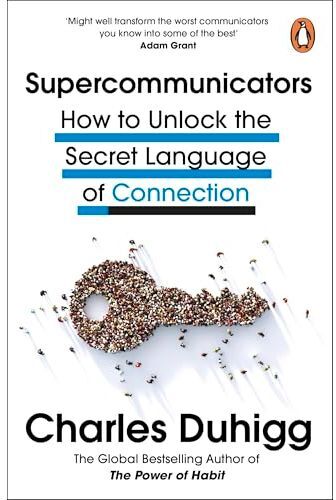
Penguin Supercommunicators: How to Unlock the Secret Language of Connection by Charles DuhiggWho and what are supercommunicators? They're the people who can steer a conversation to a successful conclusion. They are able to talk about difficult topics without giving offence. They know how to make others feel at ease and share what they think. They're brilliant facilitators and decision-guiders. How do they do it? In this groundbreaking new book, Charles Duhigg unravels the secrets of the supercommunicators to reveal the art – and the science – of successful communication. He unpicks the different types of everyday conversation and pinpoints why some go smoothly while others swiftly fall apart. He reveals the conversational questions and gambits that bring people together. And he shows how even the most tricky of encounters can be turned around. In the process, he shows why a CIA operative was able to win over a reluctant spy, how a member of a jury got his fellow jurors to view an open-and-shut case differently, and what a doctor found they needed to do to engage with a vaccine sceptic. Above all, he reveals the techniques we can all master to successfully connect with others, however tricky the circumstances. Packed with fascinating case studies and drawing on cutting-edge research, this book will change the way you think about what you say, and how you say it.9,99 £*Shipping: 2,99 £Secure redirect to the provider
-
Wilco International LLP How to Win Friends and Influence People by Dale Carnegie Classic Self Help Book on Communication, Leadership, Confidence & Personal DevelopmentDiscover one of the world's best-known personal development books with How to Win Friends and Influence People by Dale Carnegie. First published in 1936, this enduring classic presents practical principles for communicating effectively, building positive relationships and working successfully with other people. Through memorable examples and straightforward advice, Carnegie explores how to make a positive impression, handle disagreements constructively, encourage cooperation and become a more effective communicator. The principles can be applied across everyday life, from personal relationships and social situations to business, management, sales, networking and leadership. Accessible and practical, How to Win Friends and Influence People remains popular with readers interested in improving their communication skills, confidence, interpersonal relationships and professional development. Key Features Classic personal development book by Dale Carnegie Practical principles for improving communication Explores relationships, leadership and interpersonal skills Useful for business, management, sales and networking Helps readers understand effective people skills Suitable for personal and professional development Excellent gift for entrepreneurs, managers and self-improvement readers9,99 £*Shipping: 2,99 £Secure redirect to the provider
-
EPOS Replacement Ear Pads - For Impact 700 Headsets - Soft Cushions for Comfort & Clear Communication in Everyday WorkPerfect fit for IMPACT 700 headsets - Designed for exact compatibility with all EPOS IMPACT 700 models for best fit and sound. Comfortable to wear even during long periods of use - Soft, skin-friendly material ensures comfort throughout the work day. Optimised noise shielding - Supports clear call quality through reliable acoustic sealing. Easy installation thanks to snap-on system - quick and tool-free interchangeable for immediate use. EPOS PREMIUM QUALITY - Tough, durable original replacement parts for reliable performance and a professional listening experience25,49 £*Shipping: 0,00 £Secure redirect to the provider
-
What language skills does an educator need?
An educator needs strong language skills in order to effectively communicate with students, parents, and colleagues. This includes the ability to speak clearly and concisely, as well as to listen actively and empathetically. Additionally, educators should have strong writing skills in order to create lesson plans, assessments, and other instructional materials. Finally, educators should be able to adapt their language skills to meet the needs of diverse learners, including those who are English language learners or have special needs. **
-
How does communication take place in the profession of an educator?
Communication in the profession of an educator takes place in various forms. Educators communicate with students through verbal instruction, written assignments, and one-on-one discussions. They also communicate with parents through emails, phone calls, and parent-teacher conferences to provide updates on student progress. Additionally, educators collaborate with colleagues through staff meetings, professional development workshops, and shared resources to exchange ideas and best practices. Effective communication is essential for creating a positive learning environment and fostering strong relationships with students, parents, and colleagues. **
-
'Educator or technician?'
The choice between being an educator or a technician ultimately depends on one's interests and strengths. Educators focus on teaching and sharing knowledge with others, while technicians specialize in practical skills and hands-on work. Both roles are important in their own right, and individuals should choose the path that aligns best with their passions and abilities. It is also possible to combine elements of both roles by pursuing a career that involves both teaching and technical expertise. **
-
How can an educator organize a teacher's visit for language development?
An educator can organize a teacher's visit for language development by first identifying the specific language needs and goals of the teachers. They can then arrange for a language expert or tutor to conduct workshops or training sessions tailored to those needs. Additionally, the educator can schedule opportunities for the teachers to practice and apply their language skills in real-life situations, such as through immersion experiences or interactions with native speakers. Finally, the educator should provide ongoing support and resources to help the teachers continue developing their language proficiency even after the visit. **
Similar search terms for Educator
-
Is the educator overwhelmed?
It is difficult to determine if the educator is overwhelmed without more context or information. Signs of overwhelm could include increased stress, difficulty managing tasks, or expressing feelings of being overwhelmed. It would be important to have a conversation with the educator to understand their current workload, challenges, and support systems in order to assess if they are feeling overwhelmed and how best to address it. **
-
What is an educator?
An educator is someone who teaches and guides others in acquiring knowledge, skills, and values. They play a crucial role in shaping the intellectual and personal development of their students. Educators can work in various settings such as schools, colleges, universities, and training centers. They are responsible for creating engaging learning experiences, fostering critical thinking, and supporting the growth and success of their students. **
-
Which training should I pursue: Educator Pia or Youth and Residential Educator?
The choice between pursuing training as an Educator Pia or Youth and Residential Educator depends on your career goals and interests. If you are passionate about working with young children and want to focus on early childhood education, then pursuing training as an Educator Pia would be a good fit. On the other hand, if you are interested in working with older youth and in residential settings, then pursuing training as a Youth and Residential Educator would be more suitable. Consider your strengths, interests, and long-term career goals to make the best decision for your future. **
-
What is an independent educator?
An independent educator is someone who provides educational services outside of traditional educational institutions such as schools or universities. They may offer tutoring, coaching, workshops, or online courses on a variety of subjects. Independent educators have the flexibility to design their own curriculum, set their own schedule, and work directly with students to meet their individual learning needs. They often have expertise in a specific area and are passionate about sharing their knowledge with others. **
* All prices are inclusive of VAT and, if applicable, plus shipping costs. The offer information is based on the details provided by the respective shop and is updated through automated processes. Real-time updates do not occur, so deviations can occur in individual cases. ** Note: Parts of this content were created by AI.