Buy powerofwords.eu ?
We are moving the project
powerofwords.eu .
Are you interested in purchasing the domain
powerofwords.eu ?
domain@kv-gmbh.de · 0541-91531010
Buy powerofwords.eu ?
What are sigma and pi bonds in chemistry?
In chemistry, sigma and pi bonds are types of covalent bonds that hold atoms together in a molecule. A sigma bond is formed by the direct overlap of atomic orbitals, allowing for the free rotation of atoms around the bond axis. On the other hand, a pi bond is formed by the side-to-side overlap of p orbitals, which restricts the rotation of atoms around the bond axis. Both types of bonds are important for understanding the structure and properties of molecules. **
What are the differences between covalent bonds, metallic bonds, and ionic bonds?
Covalent bonds are formed when two atoms share electrons, resulting in a strong bond between the atoms. Metallic bonds occur between metal atoms, where the electrons are delocalized and free to move throughout the structure, creating a strong bond. Ionic bonds are formed between a metal and a nonmetal, where one atom transfers electrons to the other, resulting in the formation of positively and negatively charged ions that are attracted to each other. Overall, covalent bonds involve electron sharing, metallic bonds involve electron delocalization, and ionic bonds involve electron transfer. **

Similar search terms for Pi-bonds
Top-Angebote
Products related to Pi-bonds:
-
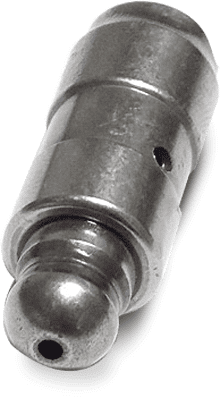
FRECCIA PI 06-0043 TappetFitting Position: Exhaust Side; for OE number: 03G 109 412 B; Operating Mode: hydraulic; TecDoc Engine Number: 20498, 17025, 16862, 17080, 17027, 17377, 18029, 17357, 17500, 18009, 18748, 18135, 18188, 18543, 18225, 18247, 18560, 18471, 18977, 18991, 20402, 21869, 24008, 20499, 24548, 20496, 20529, 20735, 20497, 20909, 26121, 2040317,49 £*Shipping: 8,45 £Secure redirect to the provider
-
FRECCIA PI 06-0045 TappetFitting Position: Intake Side; for OE number: 03G 109 411 B; Operating Mode: hydraulic; TecDoc Engine Number: 20498, 17025, 16862, 17080, 17027, 17377, 18029, 17357, 17500, 18009, 18748, 18135, 18188, 18543, 18225, 18247, 18560, 18471, 18977, 18991, 20402, 21869, 24008, 20499, 24548, 20496, 20529, 20735, 20497, 20909, 26121, 2040317,99 £*Shipping: 8,45 £Secure redirect to the provider
-
FRECCIA PI 06-0055 TappetFitting Position: Intake Side, Exhaust Side; Operating Mode: hydraulic; TecDoc Engine Number: 31846, 26064, 24922, 26899, 31051, 26808, 26822, 35247, 28614, 31484, 20812, 24713, 31049, 20838, 24439, 25656, 24775, 24800, 24440, 24686, 24688, 28615, 28617, 32492, 33420, 35533, 35605, 35606, 35607, 35608, 35609, 30546, 35625, 35626, 35627, 30548, 41399, 30554, 30557, 30563, 31019, 31080, 31064, 31020, 31087, 31088, 31089, 31090, 31091, 31092, 31094, 31095, 31096, 31097, 31098, 31099, 31053, 33435, 32331, 33003, 33002, 35296, 35984, 36861, 38279, 48023, 48026, 39155, 41012, 41013, 41881, 41880, 41883, 41882, 4567610,49 £*Shipping: 8,45 £Secure redirect to the provider
-
MAHLE 028 PI 00146 002 PistonCylinder Bore [mm]: 71,5; Length [mm]: 44,5; Compression Height [mm]: 28; Bolt Length [mm]: 49; Bolt Head Diameter [mm]: 17; Valve Pocket Depth 1 [mm]: 0,7; Surface: Hard Anodized; Production Number: 71 L 99; Component Number: 1. R 1.20 N, 2. M 1.20 Cr, 3. 3S 2.0 N; Packaging height [cm]: 12,80; Net Weight [g]: 294; Packaging length [cm]: 9,5; Packaging width [cm]: 9,50; TecDoc Engine Number: 27251, 2780584,49 £*Shipping: 8,45 £Secure redirect to the provider



-
Do CO bonds form with other CO bonds?
No, CO bonds do not typically form with other CO bonds. Carbon monoxide (CO) is a stable molecule with a triple bond between the carbon and oxygen atoms. This triple bond is strong and does not readily form additional bonds with other CO molecules. Instead, CO molecules tend to interact with other types of molecules through various types of chemical reactions. **
-
Why are intermolecular bonds weaker than electron pair bonds?
Intermolecular bonds are weaker than electron pair bonds because they involve interactions between molecules rather than within a single molecule. In intermolecular bonds, the attractive forces between molecules are generally weaker than the covalent bonds that hold atoms together within a molecule. Additionally, intermolecular bonds are typically temporary and can be easily broken, whereas electron pair bonds are strong and stable. Overall, the weaker nature of intermolecular bonds allows molecules to move and interact with each other more freely. **
-
Why are intermolecular bonds generally weaker than covalent bonds?
Intermolecular bonds are generally weaker than covalent bonds because they involve interactions between molecules rather than within a single molecule. Covalent bonds involve the sharing of electrons between atoms, creating strong bonds within a molecule. In contrast, intermolecular bonds, such as hydrogen bonds or van der Waals forces, are weaker because they are based on temporary interactions between molecules, which can be easily broken. Additionally, intermolecular bonds are influenced by factors such as distance and orientation, further contributing to their weaker nature compared to covalent bonds. **
-
Why are intermolecular bonds typically weaker than covalent bonds?
Intermolecular bonds are typically weaker than covalent bonds because they involve interactions between molecules rather than within a single molecule. In intermolecular bonds, the attractive forces between molecules, such as van der Waals forces or hydrogen bonding, are weaker than the strong sharing of electrons in covalent bonds. Additionally, intermolecular bonds are more easily broken or disrupted by changes in temperature or pressure, leading to lower bond energies compared to covalent bonds. **


Why are polar bonds lower in energy than nonpolar bonds?
Polar bonds are lower in energy than nonpolar bonds because they involve the unequal sharing of electrons between two atoms with different electronegativities. This unequal sharing creates a dipole moment, which results in an attractive force between the partially positive and partially negative ends of the molecule. This electrostatic attraction lowers the overall energy of the molecule compared to nonpolar bonds, where electrons are shared equally. As a result, polar bonds are typically stronger and more stable than nonpolar bonds. **
Why are intermolecular bonds generally weaker than electron pair bonds?
Intermolecular bonds are generally weaker than electron pair bonds because they involve interactions between molecules, which are larger and less localized than the interactions between atoms in a covalent bond. In intermolecular bonds, the attractive forces are typically weaker due to the larger distance between molecules and the lack of direct sharing of electrons. In contrast, electron pair bonds involve the sharing of electrons between atoms, leading to stronger and more localized bonding interactions. **
Top-Angebote
Products related to Pi-bonds:
-
milk_shake Everlasting Bonds Leave In Treatment 100mLA hair-care product. It a lightweight leave-in treatment designed to enhance your hair's softness, shine, and manageability without adding weight. This innovative formula provides heat protection up to 230°C, making it ideal for styling while addressing hair damage and promoting a healthier appearance.26,33 £*Shipping: 5,34 £Secure redirect to the provider
-
FRECCIA PI 06-0043 TappetFitting Position: Exhaust Side; for OE number: 03G 109 412 B; Operating Mode: hydraulic; TecDoc Engine Number: 20498, 17025, 16862, 17080, 17027, 17377, 18029, 17357, 17500, 18009, 18748, 18135, 18188, 18543, 18225, 18247, 18560, 18471, 18977, 18991, 20402, 21869, 24008, 20499, 24548, 20496, 20529, 20735, 20497, 20909, 26121, 2040317,49 £*Shipping: 8,45 £Secure redirect to the provider
-
FRECCIA PI 06-0045 TappetFitting Position: Intake Side; for OE number: 03G 109 411 B; Operating Mode: hydraulic; TecDoc Engine Number: 20498, 17025, 16862, 17080, 17027, 17377, 18029, 17357, 17500, 18009, 18748, 18135, 18188, 18543, 18225, 18247, 18560, 18471, 18977, 18991, 20402, 21869, 24008, 20499, 24548, 20496, 20529, 20735, 20497, 20909, 26121, 2040317,99 £*Shipping: 8,45 £Secure redirect to the provider
-
What are sigma and pi bonds in chemistry?
In chemistry, sigma and pi bonds are types of covalent bonds that hold atoms together in a molecule. A sigma bond is formed by the direct overlap of atomic orbitals, allowing for the free rotation of atoms around the bond axis. On the other hand, a pi bond is formed by the side-to-side overlap of p orbitals, which restricts the rotation of atoms around the bond axis. Both types of bonds are important for understanding the structure and properties of molecules. **
-
What are the differences between covalent bonds, metallic bonds, and ionic bonds?
Covalent bonds are formed when two atoms share electrons, resulting in a strong bond between the atoms. Metallic bonds occur between metal atoms, where the electrons are delocalized and free to move throughout the structure, creating a strong bond. Ionic bonds are formed between a metal and a nonmetal, where one atom transfers electrons to the other, resulting in the formation of positively and negatively charged ions that are attracted to each other. Overall, covalent bonds involve electron sharing, metallic bonds involve electron delocalization, and ionic bonds involve electron transfer. **
-
Do CO bonds form with other CO bonds?
No, CO bonds do not typically form with other CO bonds. Carbon monoxide (CO) is a stable molecule with a triple bond between the carbon and oxygen atoms. This triple bond is strong and does not readily form additional bonds with other CO molecules. Instead, CO molecules tend to interact with other types of molecules through various types of chemical reactions. **
-
Why are intermolecular bonds weaker than electron pair bonds?
Intermolecular bonds are weaker than electron pair bonds because they involve interactions between molecules rather than within a single molecule. In intermolecular bonds, the attractive forces between molecules are generally weaker than the covalent bonds that hold atoms together within a molecule. Additionally, intermolecular bonds are typically temporary and can be easily broken, whereas electron pair bonds are strong and stable. Overall, the weaker nature of intermolecular bonds allows molecules to move and interact with each other more freely. **
Similar search terms for Pi-bonds
-
FRECCIA PI 06-0055 TappetFitting Position: Intake Side, Exhaust Side; Operating Mode: hydraulic; TecDoc Engine Number: 31846, 26064, 24922, 26899, 31051, 26808, 26822, 35247, 28614, 31484, 20812, 24713, 31049, 20838, 24439, 25656, 24775, 24800, 24440, 24686, 24688, 28615, 28617, 32492, 33420, 35533, 35605, 35606, 35607, 35608, 35609, 30546, 35625, 35626, 35627, 30548, 41399, 30554, 30557, 30563, 31019, 31080, 31064, 31020, 31087, 31088, 31089, 31090, 31091, 31092, 31094, 31095, 31096, 31097, 31098, 31099, 31053, 33435, 32331, 33003, 33002, 35296, 35984, 36861, 38279, 48023, 48026, 39155, 41012, 41013, 41881, 41880, 41883, 41882, 4567610,49 £*Shipping: 8,45 £Secure redirect to the provider
-
MAHLE 028 PI 00146 002 PistonCylinder Bore [mm]: 71,5; Length [mm]: 44,5; Compression Height [mm]: 28; Bolt Length [mm]: 49; Bolt Head Diameter [mm]: 17; Valve Pocket Depth 1 [mm]: 0,7; Surface: Hard Anodized; Production Number: 71 L 99; Component Number: 1. R 1.20 N, 2. M 1.20 Cr, 3. 3S 2.0 N; Packaging height [cm]: 12,80; Net Weight [g]: 294; Packaging length [cm]: 9,5; Packaging width [cm]: 9,50; TecDoc Engine Number: 27251, 2780584,49 £*Shipping: 8,45 £Secure redirect to the provider
-
MAHLE 039 PI 00122 000 PistonCylinder Bore [mm]: 78,5; Length [mm]: 57,8; Compression Height [mm]: 32,5; Bolt Length [mm]: 59; Bolt Head Diameter [mm]: 19,4; Valve Pocket Depth 1 [mm]: 1,2; Supplementary Article / Supplementary Info Info 2: without cooling duct; Top Land Height [mm]: 7,8; Production Number: 78 L 94; Piston Clearance [mm]: 0,04; Component Number: 2. NM 1.5 P, 3. DSF3.0 Cr P; Packaging height [cm]: 12,80; Net Weight [g]: 304; Packaging length [cm]: 9,5; Packaging width [cm]: 9,50; TecDoc Engine Number: 1078891,49 £*Shipping: 8,45 £Secure redirect to the provider
-
MAHLE 028 PI 00128 000 PistonCylinder Bore [mm]: 82,51; Length [mm]: 56,0; Compression Height [mm]: 29,80; Bolt Length [mm]: 53; Bolt Head Diameter [mm]: 21; Recess Depth 1 [mm]: 4,75; Recess Diameter [mm]: 67; Valve Pocket Depth 1 [mm]: 2,0; Surface: Coated; Supplementary Article / Supplementary Info Info 2: with piston ring carrier, without cooling duct; Top Land Height [mm]: 5,9; Connecting Rod Design: Trapezoidal Connecting Rod; Production Number: 82 L 234; Piston Clearance [mm]: 0,045; Component Number: 1. R 1.2 IF N, 2. NM 1.5, 3. DSF 2 Cr, 3. DSF 2.0 N; Packaging height [cm]: 12,80; Net Weight [g]: 442; Packaging length [cm]: 9,5; Packaging width [cm]: 9,50; Construction Year to: 05/2011, 07/2010; Engine Code: CGYA, BYT, BZB, CABA; Construction Year from: 05/2009; TecDoc Engine Number: 20113, 20594, 2111496,49 £*Shipping: 8,45 £Secure redirect to the provider
-
Why are intermolecular bonds generally weaker than covalent bonds?
Intermolecular bonds are generally weaker than covalent bonds because they involve interactions between molecules rather than within a single molecule. Covalent bonds involve the sharing of electrons between atoms, creating strong bonds within a molecule. In contrast, intermolecular bonds, such as hydrogen bonds or van der Waals forces, are weaker because they are based on temporary interactions between molecules, which can be easily broken. Additionally, intermolecular bonds are influenced by factors such as distance and orientation, further contributing to their weaker nature compared to covalent bonds. **
-
Why are intermolecular bonds typically weaker than covalent bonds?
Intermolecular bonds are typically weaker than covalent bonds because they involve interactions between molecules rather than within a single molecule. In intermolecular bonds, the attractive forces between molecules, such as van der Waals forces or hydrogen bonding, are weaker than the strong sharing of electrons in covalent bonds. Additionally, intermolecular bonds are more easily broken or disrupted by changes in temperature or pressure, leading to lower bond energies compared to covalent bonds. **
-
Why are polar bonds lower in energy than nonpolar bonds?
Polar bonds are lower in energy than nonpolar bonds because they involve the unequal sharing of electrons between two atoms with different electronegativities. This unequal sharing creates a dipole moment, which results in an attractive force between the partially positive and partially negative ends of the molecule. This electrostatic attraction lowers the overall energy of the molecule compared to nonpolar bonds, where electrons are shared equally. As a result, polar bonds are typically stronger and more stable than nonpolar bonds. **
-
Why are intermolecular bonds generally weaker than electron pair bonds?
Intermolecular bonds are generally weaker than electron pair bonds because they involve interactions between molecules, which are larger and less localized than the interactions between atoms in a covalent bond. In intermolecular bonds, the attractive forces are typically weaker due to the larger distance between molecules and the lack of direct sharing of electrons. In contrast, electron pair bonds involve the sharing of electrons between atoms, leading to stronger and more localized bonding interactions. **
* All prices are inclusive of VAT and, if applicable, plus shipping costs. The offer information is based on the details provided by the respective shop and is updated through automated processes. Real-time updates do not occur, so deviations can occur in individual cases. ** Note: Parts of this content were created by AI.