Buy powerofwords.eu ?
We are moving the project
powerofwords.eu .
Are you interested in purchasing the domain
powerofwords.eu ?
domain@kv-gmbh.de · 0541-91531010
Buy powerofwords.eu ?
What does nobility mean?
Nobility traditionally refers to a social class of high-ranking individuals, often with hereditary titles and privileges. It can also refer to the qualities of being honorable, virtuous, and having high moral character. In a broader sense, nobility can also encompass the idea of having a dignified and gracious demeanor, as well as a sense of selflessness and service to others. **
What happens to the nobility?
The fate of the nobility varies depending on the specific historical context. In some cases, the nobility may lose their privileges and power as a result of social or political upheaval, such as during a revolution or the transition to a new form of government. In other cases, the nobility may adapt and evolve to maintain their status and influence within society. Overall, the fate of the nobility is often tied to broader changes in political, social, and economic structures. **

Similar search terms for Nobility
Top-Angebote
Products related to Nobility:
-
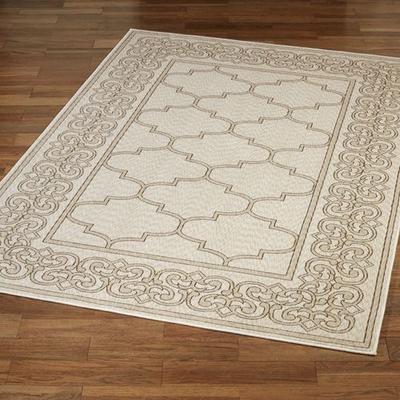
Touch of Class "Nobility Rug Runner Beige 2'3"" x 7'6"", 2'3"" x 7'6"", Beige"Quatrefoil and medallion designs reign supreme on the Nobility Rug Runner. This power-loomed, polyester rug, .30 thick, has ornate motifs that decorate with elegant splendor. Colors include warm beige, deep brown, and ivory. We recommend...229,00 $*Shipping: 32,06 $Secure redirect to the provider
-
Penguin Supercommunicators: How to Unlock the Secret Language of Connection by Charles DuhiggWho and what are supercommunicators? They're the people who can steer a conversation to a successful conclusion. They are able to talk about difficult topics without giving offence. They know how to make others feel at ease and share what they think. They're brilliant facilitators and decision-guiders. How do they do it? In this groundbreaking new book, Charles Duhigg unravels the secrets of the supercommunicators to reveal the art – and the science – of successful communication. He unpicks the different types of everyday conversation and pinpoints why some go smoothly while others swiftly fall apart. He reveals the conversational questions and gambits that bring people together. And he shows how even the most tricky of encounters can be turned around. In the process, he shows why a CIA operative was able to win over a reluctant spy, how a member of a jury got his fellow jurors to view an open-and-shut case differently, and what a doctor found they needed to do to engage with a vaccine sceptic. Above all, he reveals the techniques we can all master to successfully connect with others, however tricky the circumstances. Packed with fascinating case studies and drawing on cutting-edge research, this book will change the way you think about what you say, and how you say it.9,99 £*Shipping: 2,99 £Secure redirect to the provider
-
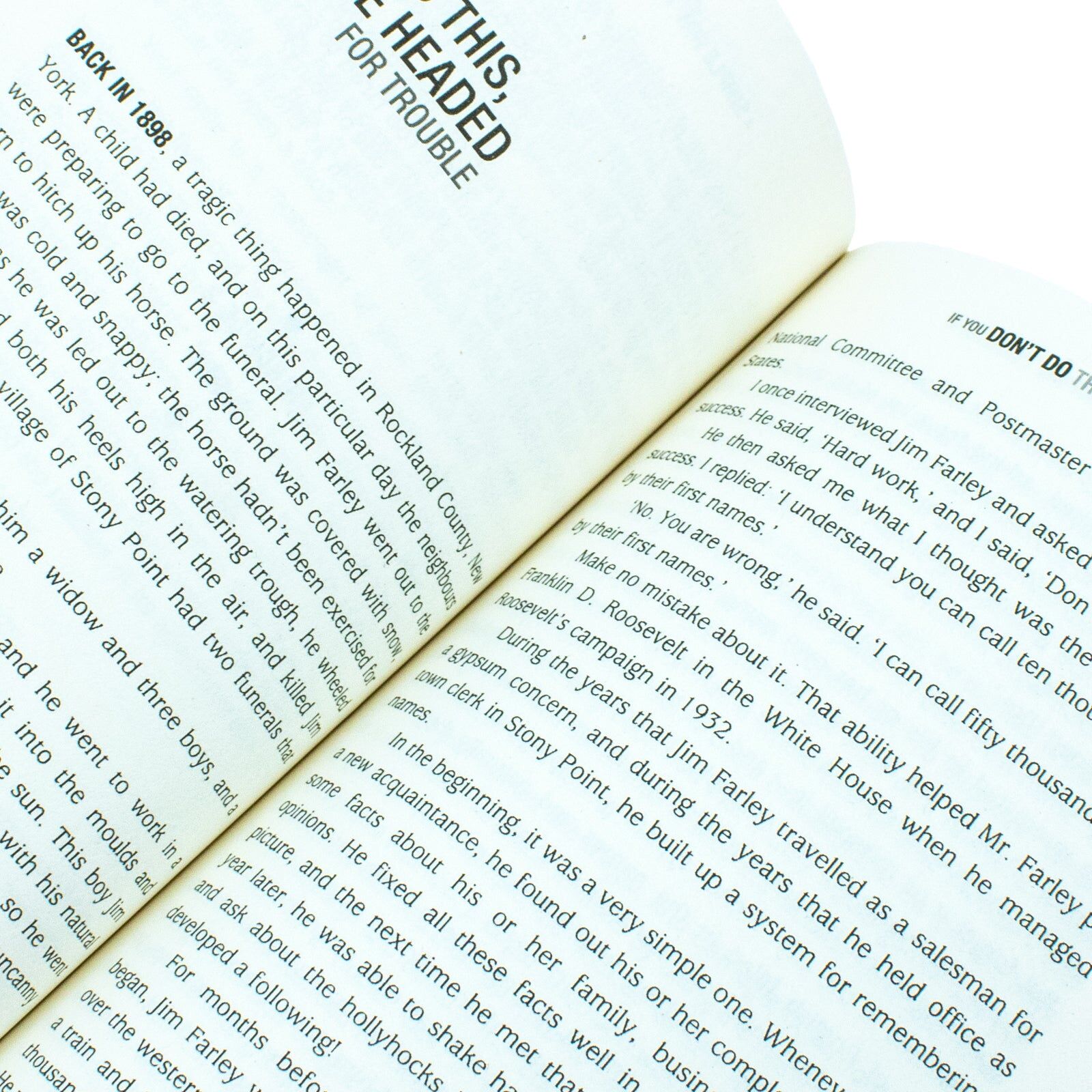
Wilco International LLP How to Win Friends and Influence People by Dale Carnegie Classic Self Help Book on Communication, Leadership, Confidence & Personal DevelopmentDiscover one of the world's best-known personal development books with How to Win Friends and Influence People by Dale Carnegie. First published in 1936, this enduring classic presents practical principles for communicating effectively, building positive relationships and working successfully with other people. Through memorable examples and straightforward advice, Carnegie explores how to make a positive impression, handle disagreements constructively, encourage cooperation and become a more effective communicator. The principles can be applied across everyday life, from personal relationships and social situations to business, management, sales, networking and leadership. Accessible and practical, How to Win Friends and Influence People remains popular with readers interested in improving their communication skills, confidence, interpersonal relationships and professional development. Key Features Classic personal development book by Dale Carnegie Practical principles for improving communication Explores relationships, leadership and interpersonal skills Useful for business, management, sales and networking Helps readers understand effective people skills Suitable for personal and professional development Excellent gift for entrepreneurs, managers and self-improvement readers9,99 £*Shipping: 2,99 £Secure redirect to the provider
-
EPOS Replacement Ear Pads - For Impact 700 Headsets - Soft Cushions for Comfort & Clear Communication in Everyday WorkPerfect fit for IMPACT 700 headsets - Designed for exact compatibility with all EPOS IMPACT 700 models for best fit and sound. Comfortable to wear even during long periods of use - Soft, skin-friendly material ensures comfort throughout the work day. Optimised noise shielding - Supports clear call quality through reliable acoustic sealing. Easy installation thanks to snap-on system - quick and tool-free interchangeable for immediate use. EPOS PREMIUM QUALITY - Tough, durable original replacement parts for reliable performance and a professional listening experience25,49 £*Shipping: 0,00 £Secure redirect to the provider



-
Is there dark-skinned nobility?
Yes, there are dark-skinned individuals who hold noble titles and are part of noble families in various cultures around the world. In countries such as Nigeria, Ghana, and Ethiopia, there are traditional noble families with dark-skinned members who have held positions of power and influence for generations. Additionally, in countries with a history of colonialism, there are individuals of dark skin who have been granted noble titles by the ruling powers. Overall, nobility is not limited by skin color, and there are dark-skinned individuals who have been and continue to be part of noble families and hold noble titles. **
-
How did the nobility originate?
The nobility originated in medieval Europe as a way to reward and maintain the loyalty of military leaders and landowners who supported the king or other ruling authorities. Over time, these individuals were granted special privileges, such as land ownership, titles, and hereditary rights, which set them apart from the rest of society. This system of hereditary privilege and social status became entrenched over the centuries, leading to the establishment of a distinct noble class. The nobility played a crucial role in the feudal system, providing military service and governance in exchange for land and power. **
-
How can one recognize nobility?
Nobility can be recognized through a person's actions, character, and values. A noble person is often selfless, compassionate, and demonstrates integrity in their dealings with others. They prioritize the well-being of others and are willing to make sacrifices for the greater good. Additionally, nobility is often reflected in a person's humility, grace, and respect for others, regardless of their background or status. **
-
What is your opinion on nobility?
Nobility, historically associated with hereditary titles and privileges, can be seen as an outdated and unjust system that perpetuates inequality and elitism. While some may argue that nobility represents a sense of tradition and honor, I believe that true merit and character should be the basis for respect and admiration, rather than one's lineage or social status. In today's society, it is important to value individuals for their actions and contributions, rather than their noble lineage. **


What are the servants of nobility?
The servants of nobility are individuals who are employed to perform various domestic and personal tasks for members of the noble class. These tasks can include cooking, cleaning, serving meals, running errands, and providing personal care. Servants of nobility are often expected to be discreet, loyal, and dedicated to their employers, and their roles can vary depending on the specific needs and preferences of the noble family they serve. In many historical contexts, the servants of nobility played a crucial role in maintaining the lifestyle and social standing of their employers. **
What is the nobility of office?
The nobility of office refers to the honor, dignity, and responsibility associated with holding a particular position or role. It involves upholding high standards of conduct, serving with integrity and excellence, and carrying out one's duties with a sense of duty and respect. Those who embody the nobility of office are seen as leaders who inspire trust, respect, and admiration from others. **
Top-Angebote
Products related to Nobility:
-
RLF Home Nobility Glory Valance"Nobility Glory Valance. Decorator's quality fabric. Fully lined with ivory poly/cotton goods. 3"" rod pocket fits a window up to 48""W. Use a 2-1/2"" contintal rod, regular 3/4"" rod, tension rod or decorative pole up to 1-3/8"" diameter."76,99 $*Shipping: 0,00 $Secure redirect to the provider
-
Touch of Class "Nobility Rectangle Rug Beige, 3'10"" x 5'5"", Beige"Quatrefoil and medallion designs reign supreme on the Nobility Rug. This power-loomed, polyester area rug, .30 thick, has ornate motifs that decorate with elegant splendor. Colors include warm beige, deep brown, and ivory. We recommend professional...279,00 $*Shipping: 39,06 $Secure redirect to the provider
-
Touch of Class "Nobility Rug Runner Beige 2'3"" x 7'6"", 2'3"" x 7'6"", Beige"Quatrefoil and medallion designs reign supreme on the Nobility Rug Runner. This power-loomed, polyester rug, .30 thick, has ornate motifs that decorate with elegant splendor. Colors include warm beige, deep brown, and ivory. We recommend...229,00 $*Shipping: 32,06 $Secure redirect to the provider
-
Penguin Supercommunicators: How to Unlock the Secret Language of Connection by Charles DuhiggWho and what are supercommunicators? They're the people who can steer a conversation to a successful conclusion. They are able to talk about difficult topics without giving offence. They know how to make others feel at ease and share what they think. They're brilliant facilitators and decision-guiders. How do they do it? In this groundbreaking new book, Charles Duhigg unravels the secrets of the supercommunicators to reveal the art – and the science – of successful communication. He unpicks the different types of everyday conversation and pinpoints why some go smoothly while others swiftly fall apart. He reveals the conversational questions and gambits that bring people together. And he shows how even the most tricky of encounters can be turned around. In the process, he shows why a CIA operative was able to win over a reluctant spy, how a member of a jury got his fellow jurors to view an open-and-shut case differently, and what a doctor found they needed to do to engage with a vaccine sceptic. Above all, he reveals the techniques we can all master to successfully connect with others, however tricky the circumstances. Packed with fascinating case studies and drawing on cutting-edge research, this book will change the way you think about what you say, and how you say it.9,99 £*Shipping: 2,99 £Secure redirect to the provider
-
What does nobility mean?
Nobility traditionally refers to a social class of high-ranking individuals, often with hereditary titles and privileges. It can also refer to the qualities of being honorable, virtuous, and having high moral character. In a broader sense, nobility can also encompass the idea of having a dignified and gracious demeanor, as well as a sense of selflessness and service to others. **
-
What happens to the nobility?
The fate of the nobility varies depending on the specific historical context. In some cases, the nobility may lose their privileges and power as a result of social or political upheaval, such as during a revolution or the transition to a new form of government. In other cases, the nobility may adapt and evolve to maintain their status and influence within society. Overall, the fate of the nobility is often tied to broader changes in political, social, and economic structures. **
-
Is there dark-skinned nobility?
Yes, there are dark-skinned individuals who hold noble titles and are part of noble families in various cultures around the world. In countries such as Nigeria, Ghana, and Ethiopia, there are traditional noble families with dark-skinned members who have held positions of power and influence for generations. Additionally, in countries with a history of colonialism, there are individuals of dark skin who have been granted noble titles by the ruling powers. Overall, nobility is not limited by skin color, and there are dark-skinned individuals who have been and continue to be part of noble families and hold noble titles. **
-
How did the nobility originate?
The nobility originated in medieval Europe as a way to reward and maintain the loyalty of military leaders and landowners who supported the king or other ruling authorities. Over time, these individuals were granted special privileges, such as land ownership, titles, and hereditary rights, which set them apart from the rest of society. This system of hereditary privilege and social status became entrenched over the centuries, leading to the establishment of a distinct noble class. The nobility played a crucial role in the feudal system, providing military service and governance in exchange for land and power. **
Similar search terms for Nobility
-
Wilco International LLP How to Win Friends and Influence People by Dale Carnegie Classic Self Help Book on Communication, Leadership, Confidence & Personal DevelopmentDiscover one of the world's best-known personal development books with How to Win Friends and Influence People by Dale Carnegie. First published in 1936, this enduring classic presents practical principles for communicating effectively, building positive relationships and working successfully with other people. Through memorable examples and straightforward advice, Carnegie explores how to make a positive impression, handle disagreements constructively, encourage cooperation and become a more effective communicator. The principles can be applied across everyday life, from personal relationships and social situations to business, management, sales, networking and leadership. Accessible and practical, How to Win Friends and Influence People remains popular with readers interested in improving their communication skills, confidence, interpersonal relationships and professional development. Key Features Classic personal development book by Dale Carnegie Practical principles for improving communication Explores relationships, leadership and interpersonal skills Useful for business, management, sales and networking Helps readers understand effective people skills Suitable for personal and professional development Excellent gift for entrepreneurs, managers and self-improvement readers9,99 £*Shipping: 2,99 £Secure redirect to the provider
-
EPOS Replacement Ear Pads - For Impact 700 Headsets - Soft Cushions for Comfort & Clear Communication in Everyday WorkPerfect fit for IMPACT 700 headsets - Designed for exact compatibility with all EPOS IMPACT 700 models for best fit and sound. Comfortable to wear even during long periods of use - Soft, skin-friendly material ensures comfort throughout the work day. Optimised noise shielding - Supports clear call quality through reliable acoustic sealing. Easy installation thanks to snap-on system - quick and tool-free interchangeable for immediate use. EPOS PREMIUM QUALITY - Tough, durable original replacement parts for reliable performance and a professional listening experience25,49 £*Shipping: 0,00 £Secure redirect to the provider
-
Monika Blunder Beauty Body Language Botanical Oil 100mLA body oil for dull skin. Intense hydration: Almond, Rosehip, and Marula Oils quench dryness. Natural luminosity: Meadowfoam oil gives skin a dewy sheen. Antioxidant protection: Edelweiss Extract defends against free radicals. Soft, supple skin: Arnica maintains skin's softness and suppleness. Transform your skin with Body Language Oil —a luxurious blend of nourishing oils and potent antioxidants.54,73 £*Shipping: 7,11 £Secure redirect to the provider
-
Style Haven Global Influence Floral Medallion Area RugComplement the luxe vibe in your high-end interiors with this Global Influence floral medallion area rug. Featuring red and Beige, Cream hues for statement-making style, this area rug is machine-made from polypropylene for long-wearing appeal.377,49 $*Shipping: 0,00 $Secure redirect to the provider
-
How can one recognize nobility?
Nobility can be recognized through a person's actions, character, and values. A noble person is often selfless, compassionate, and demonstrates integrity in their dealings with others. They prioritize the well-being of others and are willing to make sacrifices for the greater good. Additionally, nobility is often reflected in a person's humility, grace, and respect for others, regardless of their background or status. **
-
What is your opinion on nobility?
Nobility, historically associated with hereditary titles and privileges, can be seen as an outdated and unjust system that perpetuates inequality and elitism. While some may argue that nobility represents a sense of tradition and honor, I believe that true merit and character should be the basis for respect and admiration, rather than one's lineage or social status. In today's society, it is important to value individuals for their actions and contributions, rather than their noble lineage. **
-
What are the servants of nobility?
The servants of nobility are individuals who are employed to perform various domestic and personal tasks for members of the noble class. These tasks can include cooking, cleaning, serving meals, running errands, and providing personal care. Servants of nobility are often expected to be discreet, loyal, and dedicated to their employers, and their roles can vary depending on the specific needs and preferences of the noble family they serve. In many historical contexts, the servants of nobility played a crucial role in maintaining the lifestyle and social standing of their employers. **
-
What is the nobility of office?
The nobility of office refers to the honor, dignity, and responsibility associated with holding a particular position or role. It involves upholding high standards of conduct, serving with integrity and excellence, and carrying out one's duties with a sense of duty and respect. Those who embody the nobility of office are seen as leaders who inspire trust, respect, and admiration from others. **
* All prices are inclusive of VAT and, if applicable, plus shipping costs. The offer information is based on the details provided by the respective shop and is updated through automated processes. Real-time updates do not occur, so deviations can occur in individual cases. ** Note: Parts of this content were created by AI.