Buy powerofwords.eu ?
We are moving the project
powerofwords.eu .
Are you interested in purchasing the domain
powerofwords.eu ?
domain@kv-gmbh.de · 0541-91531010
Buy powerofwords.eu ?
What binds hemoglobin?
Hemoglobin is a protein found in red blood cells that binds to oxygen. It contains four heme groups, each of which contains an iron ion that can bind to an oxygen molecule. This allows hemoglobin to transport oxygen from the lungs to the tissues throughout the body. Additionally, hemoglobin can also bind to carbon dioxide and hydrogen ions, helping to regulate the body's pH balance. **
What is the hemoglobin gene?
The hemoglobin gene is a gene that encodes the production of hemoglobin, a protein found in red blood cells that is responsible for carrying oxygen from the lungs to the rest of the body. The hemoglobin gene is located on chromosome 11 in humans and is made up of several subunits that come together to form the hemoglobin protein. Mutations in the hemoglobin gene can lead to various blood disorders, such as sickle cell anemia and thalassemia. **
Similar search terms for Hemoglobin
Top-Angebote
Products related to Hemoglobin:
-
"""Masimo Pronto for Spot checking hemoglobin (SpHb), arterial oxygen saturation (SpO2), pulse rate (PR), and perfusion index (PI)"""""" Masimo Pronto for Spot checking hemoglobin (SpHb), arterial oxygen saturation (SpO2), pulse rate (PR), and perfusion index (PI) For other sensor configurations, call for pricing: 888-970-2999 The Masimo Pronto is a handheld hemoglobin testing..."1045,00 $*Shipping: 0,00 $Secure redirect to the provider
-
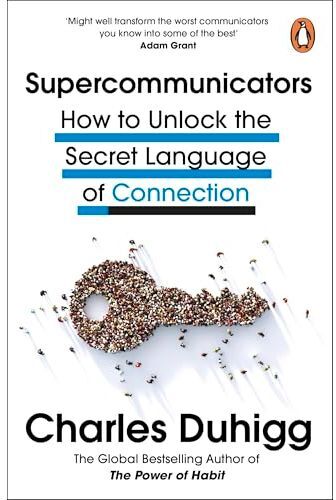
Penguin Supercommunicators: How to Unlock the Secret Language of Connection by Charles DuhiggWho and what are supercommunicators? They're the people who can steer a conversation to a successful conclusion. They are able to talk about difficult topics without giving offence. They know how to make others feel at ease and share what they think. They're brilliant facilitators and decision-guiders. How do they do it? In this groundbreaking new book, Charles Duhigg unravels the secrets of the supercommunicators to reveal the art – and the science – of successful communication. He unpicks the different types of everyday conversation and pinpoints why some go smoothly while others swiftly fall apart. He reveals the conversational questions and gambits that bring people together. And he shows how even the most tricky of encounters can be turned around. In the process, he shows why a CIA operative was able to win over a reluctant spy, how a member of a jury got his fellow jurors to view an open-and-shut case differently, and what a doctor found they needed to do to engage with a vaccine sceptic. Above all, he reveals the techniques we can all master to successfully connect with others, however tricky the circumstances. Packed with fascinating case studies and drawing on cutting-edge research, this book will change the way you think about what you say, and how you say it.9,99 £*Shipping: 2,99 £Secure redirect to the provider
-
Wilco International LLP How to Win Friends and Influence People by Dale Carnegie Classic Self Help Book on Communication, Leadership, Confidence & Personal DevelopmentDiscover one of the world's best-known personal development books with How to Win Friends and Influence People by Dale Carnegie. First published in 1936, this enduring classic presents practical principles for communicating effectively, building positive relationships and working successfully with other people. Through memorable examples and straightforward advice, Carnegie explores how to make a positive impression, handle disagreements constructively, encourage cooperation and become a more effective communicator. The principles can be applied across everyday life, from personal relationships and social situations to business, management, sales, networking and leadership. Accessible and practical, How to Win Friends and Influence People remains popular with readers interested in improving their communication skills, confidence, interpersonal relationships and professional development. Key Features Classic personal development book by Dale Carnegie Practical principles for improving communication Explores relationships, leadership and interpersonal skills Useful for business, management, sales and networking Helps readers understand effective people skills Suitable for personal and professional development Excellent gift for entrepreneurs, managers and self-improvement readers9,99 £*Shipping: 2,99 £Secure redirect to the provider
-
EPOS Replacement Ear Pads - For Impact 700 Headsets - Soft Cushions for Comfort & Clear Communication in Everyday WorkPerfect fit for IMPACT 700 headsets - Designed for exact compatibility with all EPOS IMPACT 700 models for best fit and sound. Comfortable to wear even during long periods of use - Soft, skin-friendly material ensures comfort throughout the work day. Optimised noise shielding - Supports clear call quality through reliable acoustic sealing. Easy installation thanks to snap-on system - quick and tool-free interchangeable for immediate use. EPOS PREMIUM QUALITY - Tough, durable original replacement parts for reliable performance and a professional listening experience25,49 £*Shipping: 0,00 £Secure redirect to the provider


-
How does oxygen bind to hemoglobin?
Oxygen binds to hemoglobin through a process called cooperative binding. When the first oxygen molecule binds to one of the four heme groups in hemoglobin, it induces a conformational change in the protein structure, making it easier for the next oxygen molecules to bind. This cooperative binding allows hemoglobin to efficiently pick up oxygen in the lungs and release it to tissues throughout the body. The binding of oxygen to hemoglobin is reversible, meaning that oxygen can easily dissociate from hemoglobin when needed. **
-
What is considered a normal hemoglobin level?
A normal hemoglobin level for adult men is typically between 13.8 to 17.2 grams per deciliter (g/dL), while for adult women it is usually between 12.1 to 15.1 g/dL. These values can vary slightly depending on the laboratory and the specific reference range used. Hemoglobin levels outside of these ranges may indicate anemia or other underlying health conditions that should be further evaluated by a healthcare provider. **
-
Why does the hemoglobin level keep dropping?
There are several reasons why hemoglobin levels may keep dropping. One common reason is chronic blood loss, which can occur due to conditions such as gastrointestinal bleeding, heavy menstrual periods, or certain cancers. Another potential cause is decreased production of red blood cells, which can be due to nutritional deficiencies (such as iron, vitamin B12, or folate), bone marrow disorders, or chronic diseases. Additionally, increased destruction of red blood cells (hemolysis) can also lead to a drop in hemoglobin levels, which may be caused by conditions like sickle cell anemia or certain medications. It is important to consult with a healthcare professional to determine the underlying cause of the dropping hemoglobin levels and to receive appropriate treatment. **
-
What is the molecular weight of hemoglobin?
The molecular weight of hemoglobin is approximately 64,500 daltons. Hemoglobin is a complex protein made up of four subunits, each containing a heme group that binds to oxygen. Its molecular weight is an important factor in its function as the oxygen-carrying molecule in red blood cells. **

What is the difference between hemoglobin and myoglobin?
Hemoglobin and myoglobin are both proteins that bind to oxygen, but they have different functions in the body. Hemoglobin is found in red blood cells and is responsible for transporting oxygen from the lungs to tissues throughout the body. Myoglobin is found in muscle cells and stores oxygen for use during muscle contraction. Structurally, hemoglobin is a tetrameric protein with four subunits, while myoglobin is a monomeric protein with a single subunit. Additionally, hemoglobin has a higher affinity for oxygen than myoglobin, allowing it to efficiently transport oxygen in the bloodstream. **
How can a protein called hemoglobin be produced?
Hemoglobin is produced through a complex process in the body. It starts with the transcription of the hemoglobin gene in the nucleus of a cell, which produces a messenger RNA (mRNA) molecule. This mRNA then moves to the ribosomes, where it serves as a template for the synthesis of the hemoglobin protein. The ribosomes use transfer RNA (tRNA) to bring the necessary amino acids to the growing protein chain, following the instructions encoded in the mRNA. Once the protein chain is complete, it undergoes folding and post-translational modifications to become the functional hemoglobin protein. **
Top-Angebote
Products related to Hemoglobin:
-
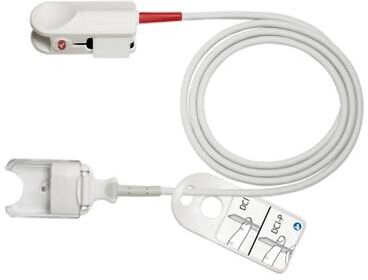
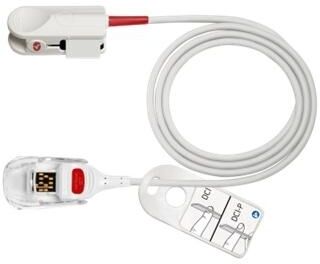
Masimo Pronto Sensor for Spot checking hemoglobin (SpHb)""" Sensor Only for Masimo Pronto to Spot check hemoglobin (SpHb) Masimo sensors are for use with rainbow devices such as the Pronto with SpHb hemoglobin spot check (required) and SpO2 and have a 3 foot cable. Reusable SpHb spot-check sensors come in..."836,00 $*Shipping: 0,00 $Secure redirect to the provider
-
Masimo LNCS-II Pronto Sensor for Spot checking hemoglobin (SpHb)""" Masimo LNCS-II Pronto Sensor for Spot checking hemoglobin (SpHb) - 400 SpHb tests per sensor Masimo sensors are for use with rainbow devices such as the Pronto with SpHb hemoglobin spot check (required) and SpO2. Reusable SpHb spot-check sensors..."895,00 $*Shipping: 0,00 $Secure redirect to the provider
-
"""Masimo Pronto for Spot checking hemoglobin (SpHb), arterial oxygen saturation (SpO2), pulse rate (PR), and perfusion index (PI)"""""" Masimo Pronto for Spot checking hemoglobin (SpHb), arterial oxygen saturation (SpO2), pulse rate (PR), and perfusion index (PI) For other sensor configurations, call for pricing: 888-970-2999 The Masimo Pronto is a handheld hemoglobin testing..."1045,00 $*Shipping: 0,00 $Secure redirect to the provider
-
Penguin Supercommunicators: How to Unlock the Secret Language of Connection by Charles DuhiggWho and what are supercommunicators? They're the people who can steer a conversation to a successful conclusion. They are able to talk about difficult topics without giving offence. They know how to make others feel at ease and share what they think. They're brilliant facilitators and decision-guiders. How do they do it? In this groundbreaking new book, Charles Duhigg unravels the secrets of the supercommunicators to reveal the art – and the science – of successful communication. He unpicks the different types of everyday conversation and pinpoints why some go smoothly while others swiftly fall apart. He reveals the conversational questions and gambits that bring people together. And he shows how even the most tricky of encounters can be turned around. In the process, he shows why a CIA operative was able to win over a reluctant spy, how a member of a jury got his fellow jurors to view an open-and-shut case differently, and what a doctor found they needed to do to engage with a vaccine sceptic. Above all, he reveals the techniques we can all master to successfully connect with others, however tricky the circumstances. Packed with fascinating case studies and drawing on cutting-edge research, this book will change the way you think about what you say, and how you say it.9,99 £*Shipping: 2,99 £Secure redirect to the provider
-
What binds hemoglobin?
Hemoglobin is a protein found in red blood cells that binds to oxygen. It contains four heme groups, each of which contains an iron ion that can bind to an oxygen molecule. This allows hemoglobin to transport oxygen from the lungs to the tissues throughout the body. Additionally, hemoglobin can also bind to carbon dioxide and hydrogen ions, helping to regulate the body's pH balance. **
-
What is the hemoglobin gene?
The hemoglobin gene is a gene that encodes the production of hemoglobin, a protein found in red blood cells that is responsible for carrying oxygen from the lungs to the rest of the body. The hemoglobin gene is located on chromosome 11 in humans and is made up of several subunits that come together to form the hemoglobin protein. Mutations in the hemoglobin gene can lead to various blood disorders, such as sickle cell anemia and thalassemia. **
-
How does oxygen bind to hemoglobin?
Oxygen binds to hemoglobin through a process called cooperative binding. When the first oxygen molecule binds to one of the four heme groups in hemoglobin, it induces a conformational change in the protein structure, making it easier for the next oxygen molecules to bind. This cooperative binding allows hemoglobin to efficiently pick up oxygen in the lungs and release it to tissues throughout the body. The binding of oxygen to hemoglobin is reversible, meaning that oxygen can easily dissociate from hemoglobin when needed. **
-
What is considered a normal hemoglobin level?
A normal hemoglobin level for adult men is typically between 13.8 to 17.2 grams per deciliter (g/dL), while for adult women it is usually between 12.1 to 15.1 g/dL. These values can vary slightly depending on the laboratory and the specific reference range used. Hemoglobin levels outside of these ranges may indicate anemia or other underlying health conditions that should be further evaluated by a healthcare provider. **
Similar search terms for Hemoglobin
-
Wilco International LLP How to Win Friends and Influence People by Dale Carnegie Classic Self Help Book on Communication, Leadership, Confidence & Personal DevelopmentDiscover one of the world's best-known personal development books with How to Win Friends and Influence People by Dale Carnegie. First published in 1936, this enduring classic presents practical principles for communicating effectively, building positive relationships and working successfully with other people. Through memorable examples and straightforward advice, Carnegie explores how to make a positive impression, handle disagreements constructively, encourage cooperation and become a more effective communicator. The principles can be applied across everyday life, from personal relationships and social situations to business, management, sales, networking and leadership. Accessible and practical, How to Win Friends and Influence People remains popular with readers interested in improving their communication skills, confidence, interpersonal relationships and professional development. Key Features Classic personal development book by Dale Carnegie Practical principles for improving communication Explores relationships, leadership and interpersonal skills Useful for business, management, sales and networking Helps readers understand effective people skills Suitable for personal and professional development Excellent gift for entrepreneurs, managers and self-improvement readers9,99 £*Shipping: 2,99 £Secure redirect to the provider
-
EPOS Replacement Ear Pads - For Impact 700 Headsets - Soft Cushions for Comfort & Clear Communication in Everyday WorkPerfect fit for IMPACT 700 headsets - Designed for exact compatibility with all EPOS IMPACT 700 models for best fit and sound. Comfortable to wear even during long periods of use - Soft, skin-friendly material ensures comfort throughout the work day. Optimised noise shielding - Supports clear call quality through reliable acoustic sealing. Easy installation thanks to snap-on system - quick and tool-free interchangeable for immediate use. EPOS PREMIUM QUALITY - Tough, durable original replacement parts for reliable performance and a professional listening experience25,49 £*Shipping: 0,00 £Secure redirect to the provider
-
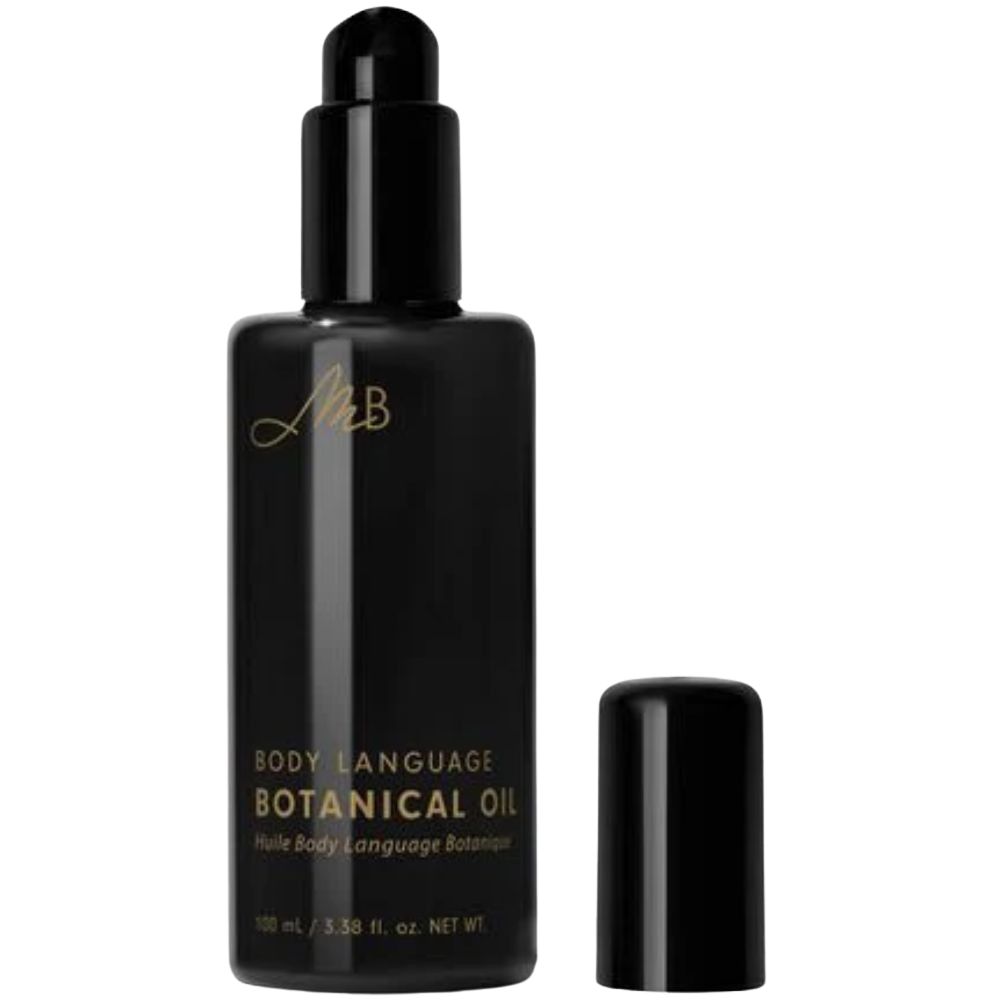
Monika Blunder Beauty Body Language Botanical Oil 100mLA body oil for dull skin. Intense hydration: Almond, Rosehip, and Marula Oils quench dryness. Natural luminosity: Meadowfoam oil gives skin a dewy sheen. Antioxidant protection: Edelweiss Extract defends against free radicals. Soft, supple skin: Arnica maintains skin's softness and suppleness. Transform your skin with Body Language Oil —a luxurious blend of nourishing oils and potent antioxidants.54,73 £*Shipping: 7,11 £Secure redirect to the provider
-
Martiderm Platinum Expression Gel Eye and Lip Contour and Expression Lines Serum 15mLA facial serum for wrinkles and signs of ageing. Smooth fine lines and revitalize your eye and lip contour with Platinum Expression Gel. A targeted anti-aging solution for youthful, firmer skin. Reduces crow’s feet by 11%. 82% of users confirm fewer wrinkles & expression lines. Firms, hydrates & relaxes facial tension.24,23 £*Shipping: 5,34 £Secure redirect to the provider
-
Why does the hemoglobin level keep dropping?
There are several reasons why hemoglobin levels may keep dropping. One common reason is chronic blood loss, which can occur due to conditions such as gastrointestinal bleeding, heavy menstrual periods, or certain cancers. Another potential cause is decreased production of red blood cells, which can be due to nutritional deficiencies (such as iron, vitamin B12, or folate), bone marrow disorders, or chronic diseases. Additionally, increased destruction of red blood cells (hemolysis) can also lead to a drop in hemoglobin levels, which may be caused by conditions like sickle cell anemia or certain medications. It is important to consult with a healthcare professional to determine the underlying cause of the dropping hemoglobin levels and to receive appropriate treatment. **
-
What is the molecular weight of hemoglobin?
The molecular weight of hemoglobin is approximately 64,500 daltons. Hemoglobin is a complex protein made up of four subunits, each containing a heme group that binds to oxygen. Its molecular weight is an important factor in its function as the oxygen-carrying molecule in red blood cells. **
-
What is the difference between hemoglobin and myoglobin?
Hemoglobin and myoglobin are both proteins that bind to oxygen, but they have different functions in the body. Hemoglobin is found in red blood cells and is responsible for transporting oxygen from the lungs to tissues throughout the body. Myoglobin is found in muscle cells and stores oxygen for use during muscle contraction. Structurally, hemoglobin is a tetrameric protein with four subunits, while myoglobin is a monomeric protein with a single subunit. Additionally, hemoglobin has a higher affinity for oxygen than myoglobin, allowing it to efficiently transport oxygen in the bloodstream. **
-
How can a protein called hemoglobin be produced?
Hemoglobin is produced through a complex process in the body. It starts with the transcription of the hemoglobin gene in the nucleus of a cell, which produces a messenger RNA (mRNA) molecule. This mRNA then moves to the ribosomes, where it serves as a template for the synthesis of the hemoglobin protein. The ribosomes use transfer RNA (tRNA) to bring the necessary amino acids to the growing protein chain, following the instructions encoded in the mRNA. Once the protein chain is complete, it undergoes folding and post-translational modifications to become the functional hemoglobin protein. **
* All prices are inclusive of VAT and, if applicable, plus shipping costs. The offer information is based on the details provided by the respective shop and is updated through automated processes. Real-time updates do not occur, so deviations can occur in individual cases. ** Note: Parts of this content were created by AI.