Buy powerofwords.eu ?
We are moving the project
powerofwords.eu .
Are you interested in purchasing the domain
powerofwords.eu ?
domain@kv-gmbh.de · 0541-91531010
Buy powerofwords.eu ?
What is epistemology?
Epistemology is the branch of philosophy that deals with the nature, scope, and limitations of knowledge. It seeks to understand how we acquire knowledge, what constitutes knowledge, and how we can justify our beliefs. Epistemology explores questions such as: What is the difference between belief and knowledge? How do we know what we know? What are the sources of knowledge? It also examines the relationship between knowledge, truth, and belief. Overall, epistemology is concerned with understanding the nature of knowledge and the processes by which we come to know things. **
What is Kant's epistemology?
Kant's epistemology is centered around the idea that our knowledge of the world is shaped by both our sensory experiences and our innate mental structures. He argued that our minds actively organize and interpret sensory input, rather than passively receiving information from the external world. Kant also introduced the concept of synthetic a priori knowledge, which refers to truths that are not derived from experience but are necessary for our understanding of the world. Overall, Kant's epistemology emphasizes the role of reason and the mind in shaping our knowledge and understanding of reality. **

Similar search terms for Epistemology
Top-Angebote
Products related to Epistemology:
-
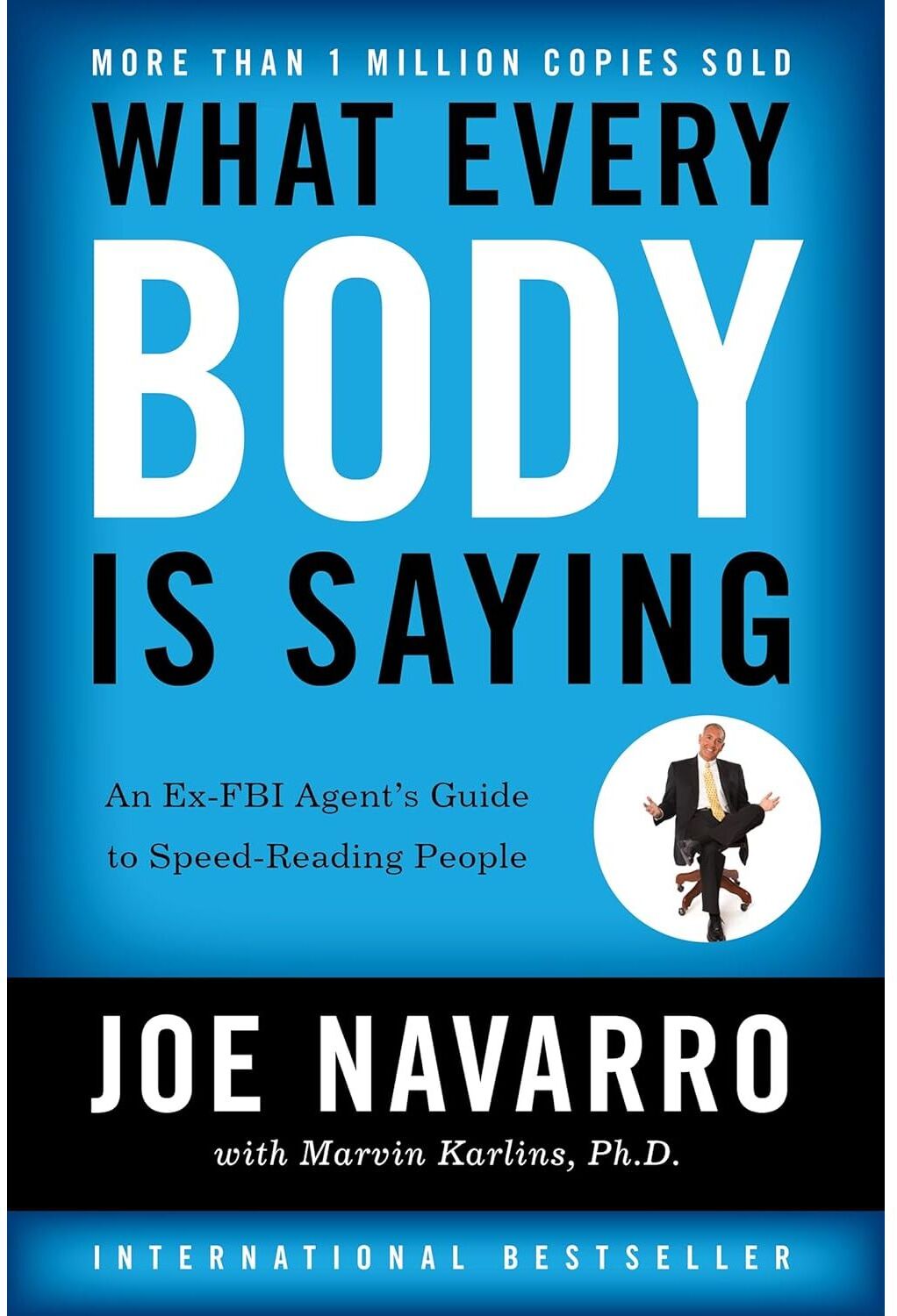
Various Publishers What Every BODY Is Saying & Related Reads 3 Book Paperback Set - Joe Navarro, Marvin Karlins & Dale Carnegie - Body Language, CommunicationThis three-book paperback bundle brings together practical guidance on body language, confident speaking, and building genuine relationships. Anchored by former FBI agent Joe Navarro's landmark work on nonverbal cues, the set pairs behavioral science with communication and connection-building advice inspired by classic self-help thinking. It's suitable for professionals, students, and anyone who wants to read people more accurately, speak with greater authority, and form stronger personal and workplace bonds using simple, repeatable techniques. The bundle includes 'What Every BODY Is Saying', 'Talk Smart, Lead Strong', and 'Unlocking Connections', all written by experts in their fields and published by William Morrow Paperbacks and Rupa Publications.11,99 £*Shipping: 2,99 £Secure redirect to the provider
-
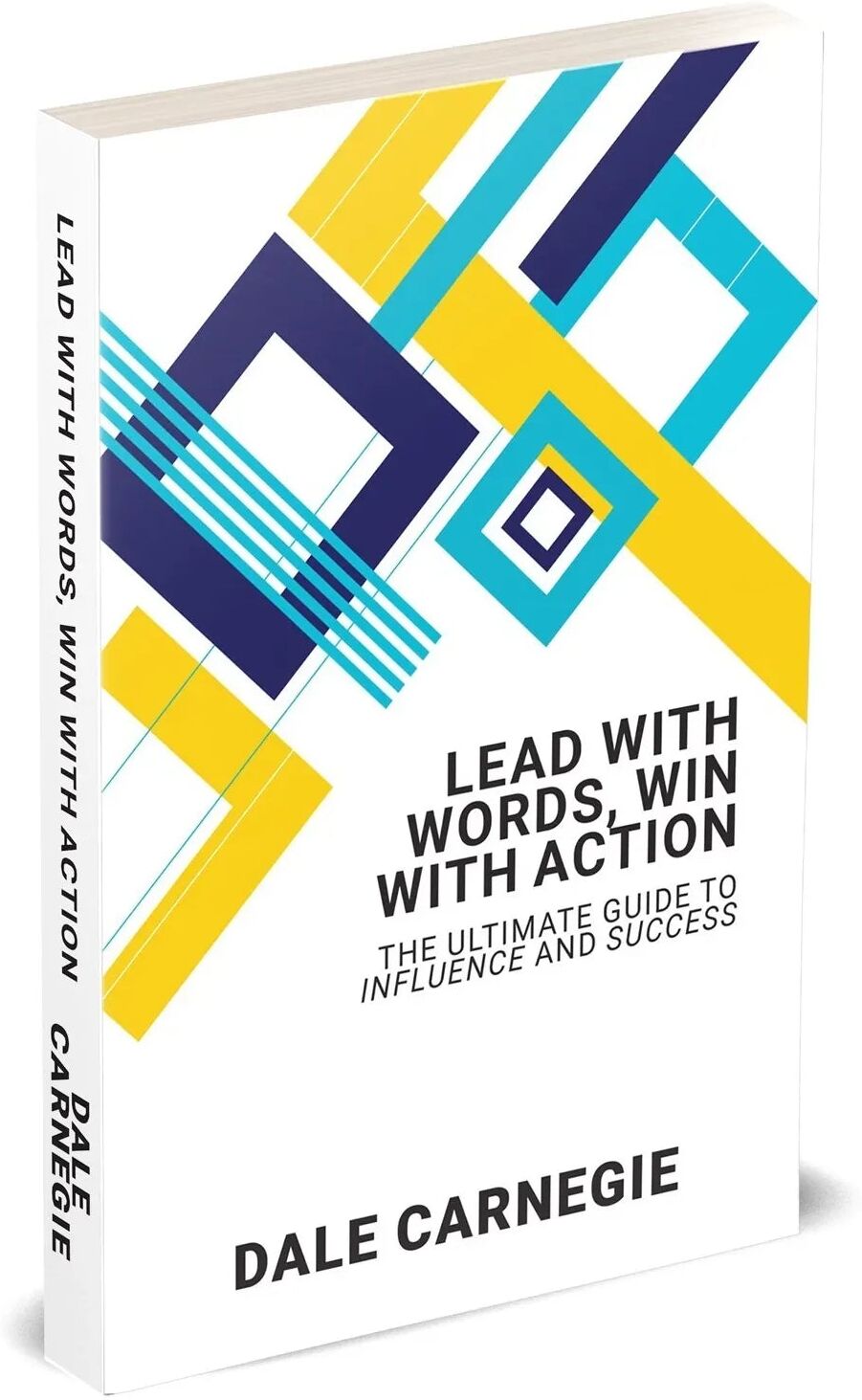
Rupa Publications Lead With Words, Win With Action by Dale Carnegie - Paperback Business & Leadership Self-Help Book - Practical Guide to Influence, CommunicationLead With Words, Win With Action by Dale Carnegie is a practical guide to communicating with confidence and leading with impact. This paperback book distils the enduring principles of Dale Carnegie's philosophy of influence into a modern guide for anyone who wants to build trust, motivate others, and convert conversation into real results. It blends timeless wisdom with actionable strategies for the modern workplace. The book explores how the right combination of language, listening, and follow-through can transform everyday interactions into lasting influence. Chapters cover practical topics such as how to open a conversation, disagree without creating an enemy, and more. Published by Rupa Publications, this book is a concise and energising read for anyone looking to improve their communication skills and leadership abilities.2,99 £*Shipping: 2,99 £Secure redirect to the provider
-
Wilco International LLP How to Win Friends and Influence People by Dale Carnegie Classic Self Help Book on Communication, Leadership, Confidence & Personal DevelopmentDiscover one of the world's best-known personal development books with How to Win Friends and Influence People by Dale Carnegie. First published in 1936, this enduring classic presents practical principles for communicating effectively, building positive relationships and working successfully with other people. Through memorable examples and straightforward advice, Carnegie explores how to make a positive impression, handle disagreements constructively, encourage cooperation and become a more effective communicator. The principles can be applied across everyday life, from personal relationships and social situations to business, management, sales, networking and leadership. Accessible and practical, How to Win Friends and Influence People remains popular with readers interested in improving their communication skills, confidence, interpersonal relationships and professional development. Key Features Classic personal development book by Dale Carnegie Practical principles for improving communication Explores relationships, leadership and interpersonal skills Useful for business, management, sales and networking Helps readers understand effective people skills Suitable for personal and professional development Excellent gift for entrepreneurs, managers and self-improvement readers9,99 £*Shipping: 2,99 £Secure redirect to the provider
-
Martiderm Platinum Expression Gel Eye and Lip Contour and Expression Lines Serum 15mLA facial serum for wrinkles and signs of ageing. Smooth fine lines and revitalize your eye and lip contour with Platinum Expression Gel. A targeted anti-aging solution for youthful, firmer skin. Reduces crow’s feet by 11%. 82% of users confirm fewer wrinkles & expression lines. Firms, hydrates & relaxes facial tension.24,23 £*Shipping: 5,34 £Secure redirect to the provider



-
How can one understand epistemology?
One can understand epistemology by studying the nature of knowledge, belief, and justification. It involves examining how we acquire knowledge, what counts as knowledge, and how we can be justified in our beliefs. By exploring different theories and perspectives on these topics, one can gain a deeper understanding of how we come to know things and how we can be confident in our beliefs. Engaging with philosophical texts, discussions, and thought experiments can also help in understanding the complexities of epistemology. **
-
What is John Locke's epistemology?
John Locke's epistemology is centered around the idea that knowledge comes from experience and observation. He believed that the mind at birth is a blank slate, or tabula rasa, and that all knowledge is derived from sensory experiences. Locke also emphasized the importance of reason and reflection in understanding and interpreting these experiences. Overall, Locke's epistemology can be characterized as empiricist, as it emphasizes the role of sensory experience in the acquisition of knowledge. **
-
What is Kant's theory of epistemology?
Kant's theory of epistemology, as outlined in his Critique of Pure Reason, centers around the idea that our knowledge of the world is shaped by both our sensory experiences and the innate structures of our minds. He argued that our minds actively organize and interpret sensory data through concepts such as space, time, and causality, which are inherent to human cognition. Kant also proposed that there are limits to what we can know about the world, as our understanding is constrained by the nature of our cognitive faculties. Overall, Kant's epistemological theory emphasizes the role of both experience and reason in shaping our knowledge of the world. **
-
What is the epistemology according to Kant?
According to Kant, epistemology is the branch of philosophy that deals with the nature, scope, and limits of human knowledge. Kant believed that knowledge is not solely derived from sensory experience but also involves the mind's innate structures and concepts. He argued that our understanding of the world is shaped by both our sensory experiences and the a priori concepts of space, time, and causality that are inherent in our minds. Kant's epistemology emphasizes the active role of the mind in organizing and interpreting sensory data to construct our understanding of reality. **

What are the central problems of epistemology?
The central problems of epistemology revolve around the nature, scope, and limits of knowledge. One key problem is the question of how we can know anything at all, and what the criteria for knowledge are. Another central problem is the issue of skepticism, which challenges the possibility of knowledge by raising doubts about the reliability of our senses and reasoning. Additionally, epistemology grapples with the problem of the sources of knowledge, such as whether knowledge comes from experience, reason, or some other source. Overall, the central problems of epistemology concern the nature of knowledge, how we acquire it, and how we can be justified in claiming to know something. **
What is an example of abstraction in epistemology?
An example of abstraction in epistemology is the concept of "justice." In epistemology, justice is an abstract concept that is not directly observable or measurable. It is a complex idea that is formed through the process of abstracting common characteristics from various specific instances of justice. This abstraction allows us to understand and discuss justice as a general concept, even though it may manifest differently in different contexts. Abstraction in epistemology enables us to form general concepts and principles that help us make sense of the world and our experiences. **
Top-Angebote
Products related to Epistemology:
-
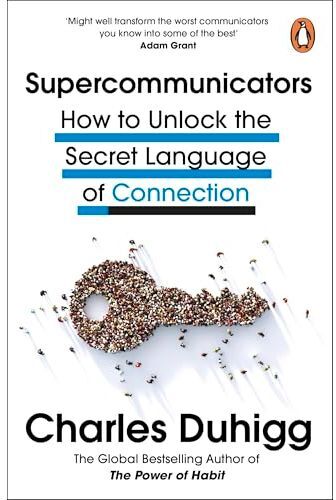
Penguin Supercommunicators: How to Unlock the Secret Language of Connection by Charles DuhiggWho and what are supercommunicators? They're the people who can steer a conversation to a successful conclusion. They are able to talk about difficult topics without giving offence. They know how to make others feel at ease and share what they think. They're brilliant facilitators and decision-guiders. How do they do it? In this groundbreaking new book, Charles Duhigg unravels the secrets of the supercommunicators to reveal the art – and the science – of successful communication. He unpicks the different types of everyday conversation and pinpoints why some go smoothly while others swiftly fall apart. He reveals the conversational questions and gambits that bring people together. And he shows how even the most tricky of encounters can be turned around. In the process, he shows why a CIA operative was able to win over a reluctant spy, how a member of a jury got his fellow jurors to view an open-and-shut case differently, and what a doctor found they needed to do to engage with a vaccine sceptic. Above all, he reveals the techniques we can all master to successfully connect with others, however tricky the circumstances. Packed with fascinating case studies and drawing on cutting-edge research, this book will change the way you think about what you say, and how you say it.9,99 £*Shipping: 2,99 £Secure redirect to the provider
-
Canongate Books To Sell Is Human by Daniel H. Pink - Paperback - Bestselling Guide to Persuasion, Sales & Influence - Non FictionTo Sell Is Human is a non-fiction book by Daniel H. Pink, published by Canongate Books in paperback format. This book explores persuasion in modern life, drawing on social science and behavioural research. Pink argues that we are all in sales now, whether pitching an idea at work, persuading a partner, or negotiating with our own children. The book blends storytelling with practical, research-backed tools, making it essential reading for anyone who wants to understand how influence really works today. Daniel Pink opens with a bold claim: one in nine workers in the traditional sense sells for a living, but the rest of us spend huge portions of our day in what he calls 'non-sales selling' — persuading, convincing and influencing others without a price tag attached. Parents sell their kids on going to bed, spouses sell each other on chores, employees sell bosses on raises, and almost everyone now finds themselves in similar situations.6,99 £*Shipping: 2,99 £Secure redirect to the provider
-
Various Publishers What Every BODY Is Saying & Related Reads 3 Book Paperback Set - Joe Navarro, Marvin Karlins & Dale Carnegie - Body Language, CommunicationThis three-book paperback bundle brings together practical guidance on body language, confident speaking, and building genuine relationships. Anchored by former FBI agent Joe Navarro's landmark work on nonverbal cues, the set pairs behavioral science with communication and connection-building advice inspired by classic self-help thinking. It's suitable for professionals, students, and anyone who wants to read people more accurately, speak with greater authority, and form stronger personal and workplace bonds using simple, repeatable techniques. The bundle includes 'What Every BODY Is Saying', 'Talk Smart, Lead Strong', and 'Unlocking Connections', all written by experts in their fields and published by William Morrow Paperbacks and Rupa Publications.11,99 £*Shipping: 2,99 £Secure redirect to the provider
-
Rupa Publications Lead With Words, Win With Action by Dale Carnegie - Paperback Business & Leadership Self-Help Book - Practical Guide to Influence, CommunicationLead With Words, Win With Action by Dale Carnegie is a practical guide to communicating with confidence and leading with impact. This paperback book distils the enduring principles of Dale Carnegie's philosophy of influence into a modern guide for anyone who wants to build trust, motivate others, and convert conversation into real results. It blends timeless wisdom with actionable strategies for the modern workplace. The book explores how the right combination of language, listening, and follow-through can transform everyday interactions into lasting influence. Chapters cover practical topics such as how to open a conversation, disagree without creating an enemy, and more. Published by Rupa Publications, this book is a concise and energising read for anyone looking to improve their communication skills and leadership abilities.2,99 £*Shipping: 2,99 £Secure redirect to the provider
-
What is epistemology?
Epistemology is the branch of philosophy that deals with the nature, scope, and limitations of knowledge. It seeks to understand how we acquire knowledge, what constitutes knowledge, and how we can justify our beliefs. Epistemology explores questions such as: What is the difference between belief and knowledge? How do we know what we know? What are the sources of knowledge? It also examines the relationship between knowledge, truth, and belief. Overall, epistemology is concerned with understanding the nature of knowledge and the processes by which we come to know things. **
-
What is Kant's epistemology?
Kant's epistemology is centered around the idea that our knowledge of the world is shaped by both our sensory experiences and our innate mental structures. He argued that our minds actively organize and interpret sensory input, rather than passively receiving information from the external world. Kant also introduced the concept of synthetic a priori knowledge, which refers to truths that are not derived from experience but are necessary for our understanding of the world. Overall, Kant's epistemology emphasizes the role of reason and the mind in shaping our knowledge and understanding of reality. **
-
How can one understand epistemology?
One can understand epistemology by studying the nature of knowledge, belief, and justification. It involves examining how we acquire knowledge, what counts as knowledge, and how we can be justified in our beliefs. By exploring different theories and perspectives on these topics, one can gain a deeper understanding of how we come to know things and how we can be confident in our beliefs. Engaging with philosophical texts, discussions, and thought experiments can also help in understanding the complexities of epistemology. **
-
What is John Locke's epistemology?
John Locke's epistemology is centered around the idea that knowledge comes from experience and observation. He believed that the mind at birth is a blank slate, or tabula rasa, and that all knowledge is derived from sensory experiences. Locke also emphasized the importance of reason and reflection in understanding and interpreting these experiences. Overall, Locke's epistemology can be characterized as empiricist, as it emphasizes the role of sensory experience in the acquisition of knowledge. **
Similar search terms for Epistemology
-
Wilco International LLP How to Win Friends and Influence People by Dale Carnegie Classic Self Help Book on Communication, Leadership, Confidence & Personal DevelopmentDiscover one of the world's best-known personal development books with How to Win Friends and Influence People by Dale Carnegie. First published in 1936, this enduring classic presents practical principles for communicating effectively, building positive relationships and working successfully with other people. Through memorable examples and straightforward advice, Carnegie explores how to make a positive impression, handle disagreements constructively, encourage cooperation and become a more effective communicator. The principles can be applied across everyday life, from personal relationships and social situations to business, management, sales, networking and leadership. Accessible and practical, How to Win Friends and Influence People remains popular with readers interested in improving their communication skills, confidence, interpersonal relationships and professional development. Key Features Classic personal development book by Dale Carnegie Practical principles for improving communication Explores relationships, leadership and interpersonal skills Useful for business, management, sales and networking Helps readers understand effective people skills Suitable for personal and professional development Excellent gift for entrepreneurs, managers and self-improvement readers9,99 £*Shipping: 2,99 £Secure redirect to the provider
-
Martiderm Platinum Expression Gel Eye and Lip Contour and Expression Lines Serum 15mLA facial serum for wrinkles and signs of ageing. Smooth fine lines and revitalize your eye and lip contour with Platinum Expression Gel. A targeted anti-aging solution for youthful, firmer skin. Reduces crow’s feet by 11%. 82% of users confirm fewer wrinkles & expression lines. Firms, hydrates & relaxes facial tension.24,23 £*Shipping: 5,34 £Secure redirect to the provider
-
William Morrow Paperbacks (lead title); other publishers unverified What Every BODY Is Saying & Related Reads 3 Books Collection Set - Non Fiction Paperback - Body Language, Charisma & Connection SkillsThis three-book non-fiction paperback bundle brings together practical guides on reading people, building charisma, and forming genuine connections. Led by Joe Navarro and Marvin Karlins' work on nonverbal behavior, the set pairs expert body-language insight with two further reads on confidence and social skills. The books offer an accessible toolkit for anyone who wants to understand others better, present themselves with more confidence, and navigate everyday interactions with greater ease, at home, socially, or in the workplace. The set includes What Every BODY Is Saying, The Charisma Factor, and Unlocking Connections.11,99 £*Shipping: 2,99 £Secure redirect to the provider
-
Martex Expression Lordes Comforter SetSoft & Comfortable Material: This comforter features a 100% cotton cover with 100% polyester fill, providing a soft, lightweight, and durable feel. It’s breathable, cozy, and easy to care for, making it ideal for everyday use.76,49 $*Shipping: 0,00 $Secure redirect to the provider
-
What is Kant's theory of epistemology?
Kant's theory of epistemology, as outlined in his Critique of Pure Reason, centers around the idea that our knowledge of the world is shaped by both our sensory experiences and the innate structures of our minds. He argued that our minds actively organize and interpret sensory data through concepts such as space, time, and causality, which are inherent to human cognition. Kant also proposed that there are limits to what we can know about the world, as our understanding is constrained by the nature of our cognitive faculties. Overall, Kant's epistemological theory emphasizes the role of both experience and reason in shaping our knowledge of the world. **
-
What is the epistemology according to Kant?
According to Kant, epistemology is the branch of philosophy that deals with the nature, scope, and limits of human knowledge. Kant believed that knowledge is not solely derived from sensory experience but also involves the mind's innate structures and concepts. He argued that our understanding of the world is shaped by both our sensory experiences and the a priori concepts of space, time, and causality that are inherent in our minds. Kant's epistemology emphasizes the active role of the mind in organizing and interpreting sensory data to construct our understanding of reality. **
-
What are the central problems of epistemology?
The central problems of epistemology revolve around the nature, scope, and limits of knowledge. One key problem is the question of how we can know anything at all, and what the criteria for knowledge are. Another central problem is the issue of skepticism, which challenges the possibility of knowledge by raising doubts about the reliability of our senses and reasoning. Additionally, epistemology grapples with the problem of the sources of knowledge, such as whether knowledge comes from experience, reason, or some other source. Overall, the central problems of epistemology concern the nature of knowledge, how we acquire it, and how we can be justified in claiming to know something. **
-
What is an example of abstraction in epistemology?
An example of abstraction in epistemology is the concept of "justice." In epistemology, justice is an abstract concept that is not directly observable or measurable. It is a complex idea that is formed through the process of abstracting common characteristics from various specific instances of justice. This abstraction allows us to understand and discuss justice as a general concept, even though it may manifest differently in different contexts. Abstraction in epistemology enables us to form general concepts and principles that help us make sense of the world and our experiences. **
* All prices are inclusive of VAT and, if applicable, plus shipping costs. The offer information is based on the details provided by the respective shop and is updated through automated processes. Real-time updates do not occur, so deviations can occur in individual cases. ** Note: Parts of this content were created by AI.