Buy powerofwords.eu ?
We are moving the project
powerofwords.eu .
Are you interested in purchasing the domain
powerofwords.eu ?
domain@kv-gmbh.de · 0541-91531010
Buy powerofwords.eu ?
What is depreciation?
Depreciation is the decrease in value of an asset over time due to wear and tear, obsolescence, or other factors. It is a method used in accounting to allocate the cost of an asset over its useful life. By recognizing depreciation expenses, a company can accurately reflect the decrease in value of its assets on its financial statements. Depreciation is important for businesses to properly account for the decrease in value of their assets and to accurately report their financial performance. **
What is the difference between calculated depreciation and accounting depreciation?
Calculated depreciation refers to the estimated reduction in the value of an asset over time, typically based on its useful life and salvage value. Accounting depreciation, on the other hand, is the systematic allocation of the cost of an asset to its useful life in the company's financial statements, following specific accounting rules and standards. While calculated depreciation is more of an estimation, accounting depreciation is a formal recognition of the reduction in the asset's value on the company's books. **
Similar search terms for Depreciation
Top-Angebote
Products related to Depreciation:
-
EPOS Replacement Ear Pads - For Impact 700 Headsets - Soft Cushions for Comfort & Clear Communication in Everyday WorkPerfect fit for IMPACT 700 headsets - Designed for exact compatibility with all EPOS IMPACT 700 models for best fit and sound. Comfortable to wear even during long periods of use - Soft, skin-friendly material ensures comfort throughout the work day. Optimised noise shielding - Supports clear call quality through reliable acoustic sealing. Easy installation thanks to snap-on system - quick and tool-free interchangeable for immediate use. EPOS PREMIUM QUALITY - Tough, durable original replacement parts for reliable performance and a professional listening experience25,49 £*Shipping: 0,00 £Secure redirect to the provider
-
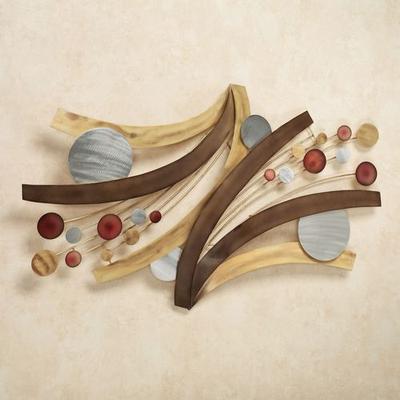
Touch of Class Influence Metal Wall Sculpture Multi Metallic , Multi MetallicThe bronze and gold curved strips seem to Influence the direction of the silver orbs in this metal wall sculpture. Smaller circular bursts, secured by wire rods, are accented in copper, gold, and silver. Handcrafted of plated steel, this wall...399,00 $*Shipping: 0,00 $Secure redirect to the provider
-
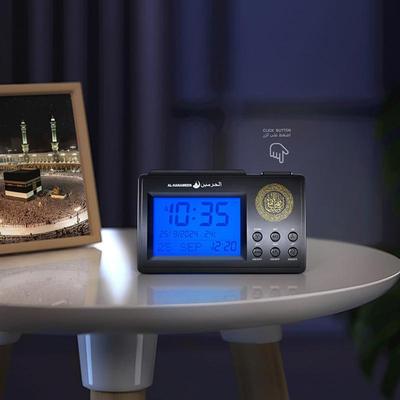
Everyday Crate Smart Azan Prayer Clock With Hijri Calendar, Temperature Display & Dual Language Alarm Smart Azan Prayer Clock With Hijri Calendar, Temperature Display & Dual Language AlarmFeel confident knowing every prayer time is right at your fingertips. This Azan clock is designed for Muslims who want a simple, reliable way to stay connected to daily prayers while keeping track of time, date, and temperature. Featuring automatic...49,97 $*Shipping: 0,00 $Secure redirect to the provider


-
Why is the calculated depreciation lower than the accounting depreciation?
The calculated depreciation is often lower than the accounting depreciation because it is based on the asset's useful life and salvage value, while accounting depreciation may include additional factors such as tax regulations or management's discretion. Calculated depreciation follows a systematic method like straight-line or reducing balance, whereas accounting depreciation can be influenced by various accounting policies or methods chosen by the company. Additionally, accounting depreciation may consider impairment charges or revaluation of assets, leading to differences in the calculated and accounting depreciation figures. **
-
What is the connection between tax cuts and depreciation?
Tax cuts and depreciation are connected in that tax cuts can impact the way businesses are able to depreciate their assets. When tax cuts are implemented, businesses may have more funds available to invest in new assets, which can impact their depreciation schedules. Additionally, tax cuts may also impact the tax benefits associated with depreciation, potentially allowing businesses to deduct a larger portion of their asset costs over a shorter period of time. Overall, tax cuts can influence the way businesses manage their depreciation expenses and tax liabilities. **
-
What are accumulated depreciation?
Accumulated depreciation is the total amount of depreciation expense that has been recorded for a fixed asset since it was acquired. It represents the total decrease in the value of the asset over time due to wear and tear, obsolescence, or other factors. Accumulated depreciation is a contra-asset account, meaning it is subtracted from the original cost of the asset to determine its net book value on the balance sheet. It is important for accurately reflecting the true value of the asset and for calculating depreciation expense for future periods. **
-
What is depreciation and what is meant by a declining balance depreciation?
Depreciation is the gradual decrease in the value of an asset over time due to wear and tear, obsolescence, or other factors. Declining balance depreciation is a method of calculating depreciation where the asset's value decreases by a fixed percentage each year. This method typically results in higher depreciation expenses in the earlier years of an asset's life and lower expenses in later years. **


How to calculate the depreciation of a car through straight-line depreciation?
To calculate the depreciation of a car through straight-line depreciation, you first need to determine the initial cost of the car, including any additional costs like taxes or registration fees. Next, estimate the salvage value of the car at the end of its useful life. Then, subtract the salvage value from the initial cost to find the depreciable cost. Finally, divide the depreciable cost by the number of years in the car's useful life to determine the annual depreciation expense. **
How do you calculate the depreciation of a car through straight-line depreciation?
To calculate the depreciation of a car through straight-line depreciation, you would first determine the initial cost of the car. Then, you would subtract the car's estimated salvage value (the amount you expect to sell the car for at the end of its useful life) from the initial cost to find the depreciable cost. Next, you would divide the depreciable cost by the number of years in the car's useful life to find the annual depreciation expense. This annual depreciation expense would be the same for each year of the car's useful life, hence the term "straight-line" depreciation. **
Top-Angebote
Products related to Depreciation:
-
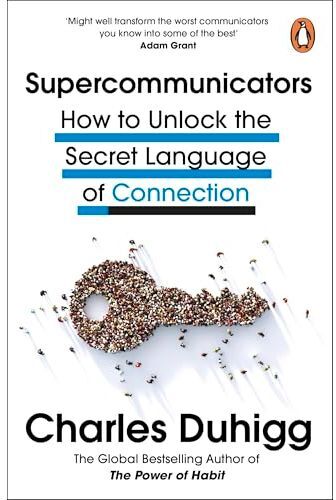
Penguin Supercommunicators: How to Unlock the Secret Language of Connection by Charles DuhiggWho and what are supercommunicators? They're the people who can steer a conversation to a successful conclusion. They are able to talk about difficult topics without giving offence. They know how to make others feel at ease and share what they think. They're brilliant facilitators and decision-guiders. How do they do it? In this groundbreaking new book, Charles Duhigg unravels the secrets of the supercommunicators to reveal the art – and the science – of successful communication. He unpicks the different types of everyday conversation and pinpoints why some go smoothly while others swiftly fall apart. He reveals the conversational questions and gambits that bring people together. And he shows how even the most tricky of encounters can be turned around. In the process, he shows why a CIA operative was able to win over a reluctant spy, how a member of a jury got his fellow jurors to view an open-and-shut case differently, and what a doctor found they needed to do to engage with a vaccine sceptic. Above all, he reveals the techniques we can all master to successfully connect with others, however tricky the circumstances. Packed with fascinating case studies and drawing on cutting-edge research, this book will change the way you think about what you say, and how you say it.9,99 £*Shipping: 2,99 £Secure redirect to the provider
-
Wilco International LLP How to Win Friends and Influence People by Dale Carnegie Classic Self Help Book on Communication, Leadership, Confidence & Personal DevelopmentDiscover one of the world's best-known personal development books with How to Win Friends and Influence People by Dale Carnegie. First published in 1936, this enduring classic presents practical principles for communicating effectively, building positive relationships and working successfully with other people. Through memorable examples and straightforward advice, Carnegie explores how to make a positive impression, handle disagreements constructively, encourage cooperation and become a more effective communicator. The principles can be applied across everyday life, from personal relationships and social situations to business, management, sales, networking and leadership. Accessible and practical, How to Win Friends and Influence People remains popular with readers interested in improving their communication skills, confidence, interpersonal relationships and professional development. Key Features Classic personal development book by Dale Carnegie Practical principles for improving communication Explores relationships, leadership and interpersonal skills Useful for business, management, sales and networking Helps readers understand effective people skills Suitable for personal and professional development Excellent gift for entrepreneurs, managers and self-improvement readers9,99 £*Shipping: 2,99 £Secure redirect to the provider
-
EPOS Replacement Ear Pads - For Impact 700 Headsets - Soft Cushions for Comfort & Clear Communication in Everyday WorkPerfect fit for IMPACT 700 headsets - Designed for exact compatibility with all EPOS IMPACT 700 models for best fit and sound. Comfortable to wear even during long periods of use - Soft, skin-friendly material ensures comfort throughout the work day. Optimised noise shielding - Supports clear call quality through reliable acoustic sealing. Easy installation thanks to snap-on system - quick and tool-free interchangeable for immediate use. EPOS PREMIUM QUALITY - Tough, durable original replacement parts for reliable performance and a professional listening experience25,49 £*Shipping: 0,00 £Secure redirect to the provider
-
Touch of Class Influence Metal Wall Sculpture Multi Metallic , Multi MetallicThe bronze and gold curved strips seem to Influence the direction of the silver orbs in this metal wall sculpture. Smaller circular bursts, secured by wire rods, are accented in copper, gold, and silver. Handcrafted of plated steel, this wall...399,00 $*Shipping: 0,00 $Secure redirect to the provider
-
What is depreciation?
Depreciation is the decrease in value of an asset over time due to wear and tear, obsolescence, or other factors. It is a method used in accounting to allocate the cost of an asset over its useful life. By recognizing depreciation expenses, a company can accurately reflect the decrease in value of its assets on its financial statements. Depreciation is important for businesses to properly account for the decrease in value of their assets and to accurately report their financial performance. **
-
What is the difference between calculated depreciation and accounting depreciation?
Calculated depreciation refers to the estimated reduction in the value of an asset over time, typically based on its useful life and salvage value. Accounting depreciation, on the other hand, is the systematic allocation of the cost of an asset to its useful life in the company's financial statements, following specific accounting rules and standards. While calculated depreciation is more of an estimation, accounting depreciation is a formal recognition of the reduction in the asset's value on the company's books. **
-
Why is the calculated depreciation lower than the accounting depreciation?
The calculated depreciation is often lower than the accounting depreciation because it is based on the asset's useful life and salvage value, while accounting depreciation may include additional factors such as tax regulations or management's discretion. Calculated depreciation follows a systematic method like straight-line or reducing balance, whereas accounting depreciation can be influenced by various accounting policies or methods chosen by the company. Additionally, accounting depreciation may consider impairment charges or revaluation of assets, leading to differences in the calculated and accounting depreciation figures. **
-
What is the connection between tax cuts and depreciation?
Tax cuts and depreciation are connected in that tax cuts can impact the way businesses are able to depreciate their assets. When tax cuts are implemented, businesses may have more funds available to invest in new assets, which can impact their depreciation schedules. Additionally, tax cuts may also impact the tax benefits associated with depreciation, potentially allowing businesses to deduct a larger portion of their asset costs over a shorter period of time. Overall, tax cuts can influence the way businesses manage their depreciation expenses and tax liabilities. **
Similar search terms for Depreciation
-
Everyday Crate Smart Azan Prayer Clock With Hijri Calendar, Temperature Display & Dual Language Alarm Smart Azan Prayer Clock With Hijri Calendar, Temperature Display & Dual Language AlarmFeel confident knowing every prayer time is right at your fingertips. This Azan clock is designed for Muslims who want a simple, reliable way to stay connected to daily prayers while keeping track of time, date, and temperature. Featuring automatic...49,97 $*Shipping: 0,00 $Secure redirect to the provider
-
Arcturus The Jane Austen Collection 6 Books Box Set Sense And Sensibility Emma Persuasion Mansfield Pride A..This gorgeous collection of six hardback clothbound books features Jane Austen's most famous and beloved titles: Emma Persuasion Pride and Prejudice Sense and Sensibility Northanger Abbey Mansfield Park Witty, vivid and eloquent, Jane Austen s delightful romance novels will paint a colourful portrait of the last chapter of the eighteenth century inside the reader s mind. With feisty, inspiring heroines and charming male characters, these love stories are far from being merely about love: they are ironic, often frustrating studies of the society the author was part of; they are lessons on women s rights and the importance of friendship and a loving marriage. Most of all, these love stories address issues of gender politics and class ranking that were rarely expressed in Jane Austen s time and were the beginning of a mindset revolution in her day. Each of these novels will dazzle readers in a different way and will prove how no one can write about love or relationships as Jane Austen did. It is a brilliant gift for Austen fans and lovers of classic English literature.23,85 £*Shipping: 2,99 £Secure redirect to the provider
-
KC Cubs: Educational Rug: ABC Alphabet ASL Sign Language, 5x7' PlaymatKC CUBS 5X7 ABC ALPHABET ASL SIGN LANGUAGE RUG - Introduce your child to the world of American Sign Language (ASL) in the most colorful and engaging way with the KC Cubs ASL Alphabet Educational Rug.81,99 $*Shipping: 0,00 $Secure redirect to the provider
-
What are accumulated depreciation?
Accumulated depreciation is the total amount of depreciation expense that has been recorded for a fixed asset since it was acquired. It represents the total decrease in the value of the asset over time due to wear and tear, obsolescence, or other factors. Accumulated depreciation is a contra-asset account, meaning it is subtracted from the original cost of the asset to determine its net book value on the balance sheet. It is important for accurately reflecting the true value of the asset and for calculating depreciation expense for future periods. **
-
What is depreciation and what is meant by a declining balance depreciation?
Depreciation is the gradual decrease in the value of an asset over time due to wear and tear, obsolescence, or other factors. Declining balance depreciation is a method of calculating depreciation where the asset's value decreases by a fixed percentage each year. This method typically results in higher depreciation expenses in the earlier years of an asset's life and lower expenses in later years. **
-
How to calculate the depreciation of a car through straight-line depreciation?
To calculate the depreciation of a car through straight-line depreciation, you first need to determine the initial cost of the car, including any additional costs like taxes or registration fees. Next, estimate the salvage value of the car at the end of its useful life. Then, subtract the salvage value from the initial cost to find the depreciable cost. Finally, divide the depreciable cost by the number of years in the car's useful life to determine the annual depreciation expense. **
-
How do you calculate the depreciation of a car through straight-line depreciation?
To calculate the depreciation of a car through straight-line depreciation, you would first determine the initial cost of the car. Then, you would subtract the car's estimated salvage value (the amount you expect to sell the car for at the end of its useful life) from the initial cost to find the depreciable cost. Next, you would divide the depreciable cost by the number of years in the car's useful life to find the annual depreciation expense. This annual depreciation expense would be the same for each year of the car's useful life, hence the term "straight-line" depreciation. **
* All prices are inclusive of VAT and, if applicable, plus shipping costs. The offer information is based on the details provided by the respective shop and is updated through automated processes. Real-time updates do not occur, so deviations can occur in individual cases. ** Note: Parts of this content were created by AI.